Kissabō: A Contemporary Japanese Tea Bar in Berlin
- Name
- Kissabō
- Images
- Clemens Poloczek
- Words
- Rosie Flanagan
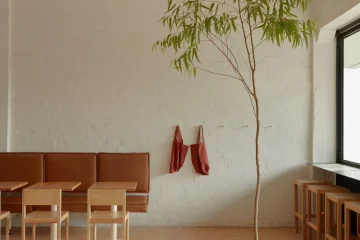
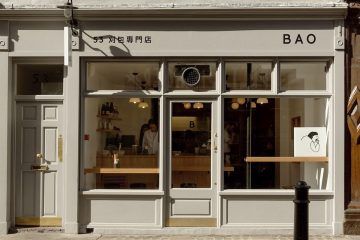
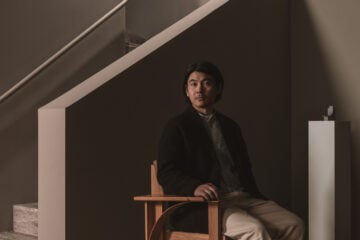
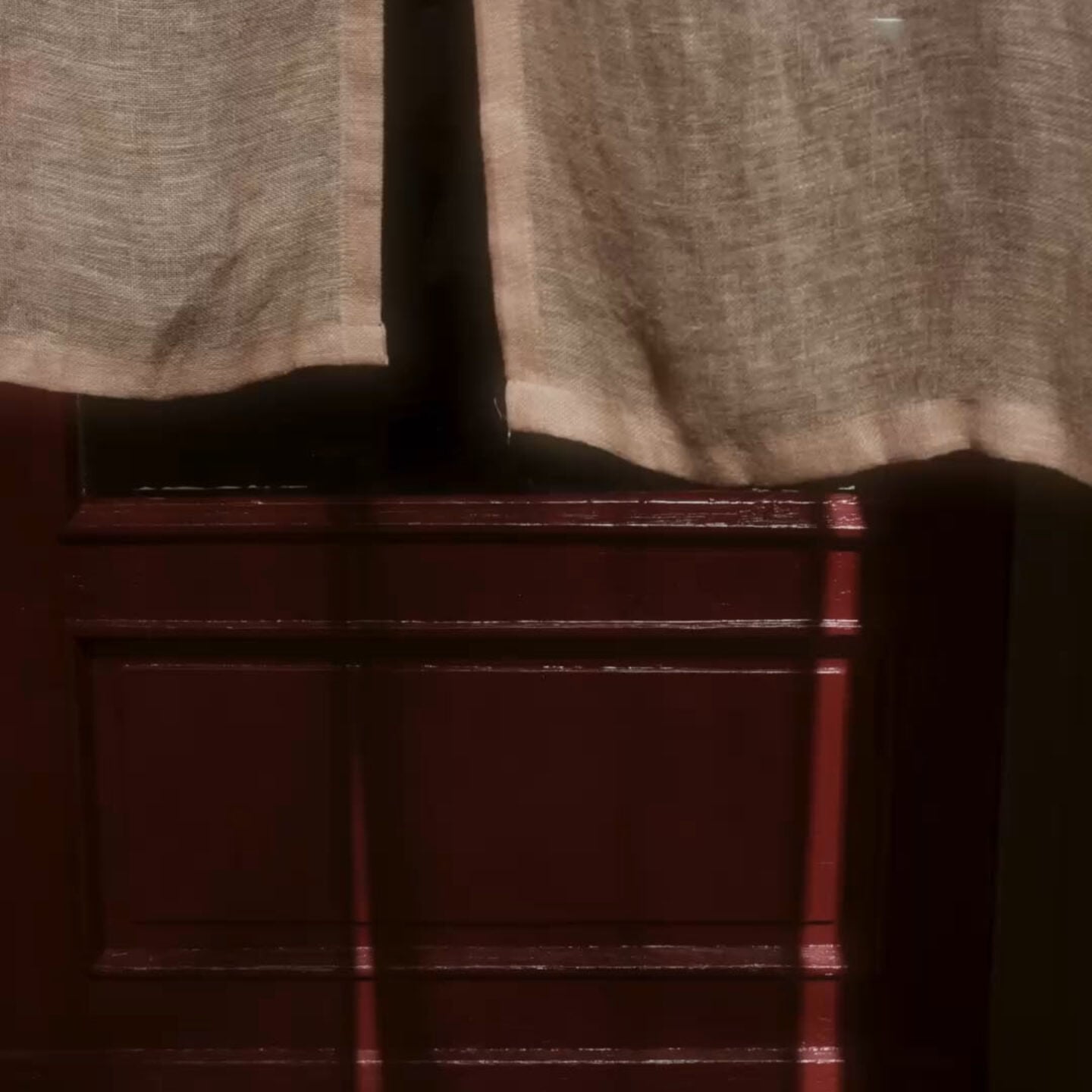
On a sunny tree-lined street in Berlin’s Prenzlauer Berg, plum-coloured noren (暖簾) — traditional Japanese split curtains — float gently in the breeze. They mark the doorway to Kissabō, a 16-seat tea bar that its owners, Marcin and Gosia Chelkowski, describe as a space for attention and curiosity.
Two years ago, the couple moved to Berlin from Szczecin in Poland to realise an idea that had been brewing across their lives. As Gosia explains, “there wasn’t a specific moment in time that Marcin and I came to tea, it was very gradual.” Marcin continues, “In Poland, we were exposed to a lot of Japanese culture through videos and gaming when we were growing up. My thoughts when I was young were, well, Japanese games are cool, so everything in Japan must be cool! [Laughs] So as soon as we could afford to visit there, we did.” Gosia adds, “Instantly, we felt very at home.”
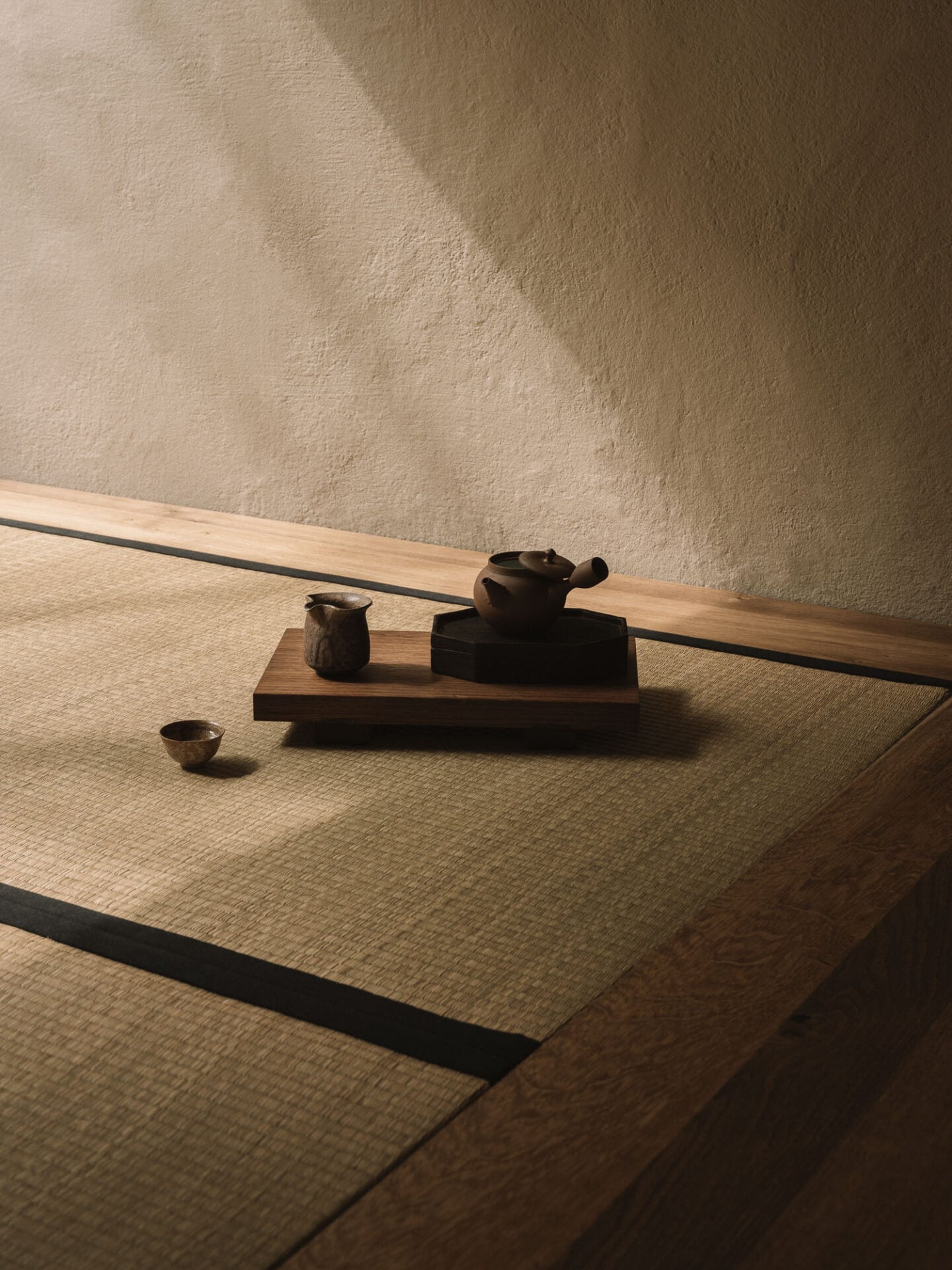
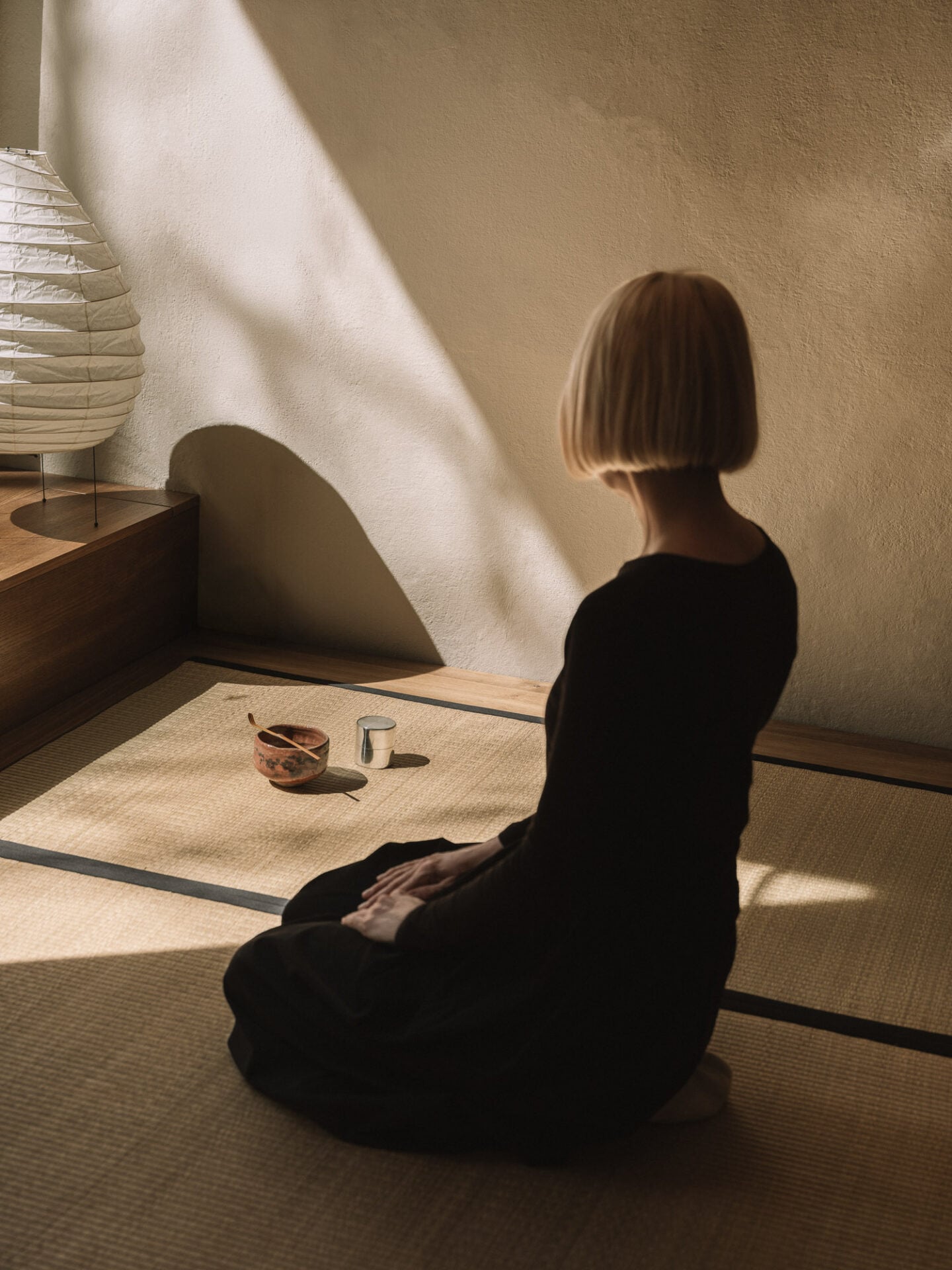
Their first visit to Japan was twelve years ago, and since that fateful trip, they have returned almost every year. “We thought, well, we like it so much here, maybe we shouldn’t waste time visiting or experiencing other things,” Marcin says, Gosia nodding in agreement. It was on these visits that they were first exposed to a culture of tea: from the crisp bottles lining convenience store shelves, to the formal practice of chanoyu (茶の湯) practiced in tea houses. “In Japan, tea is everywhere,” Marcin notes. “But when we began drinking tea, we weren’t really pursuing it with intention. As we continued, we began to develop an understanding of the culture — a curiosity about the practice and the way it is connected to something more meaningful.”
They describe their path to opening a tea bar as something like osmosis: every time they visited Japan, they met more and more people related to the world of tea — farmers, teachers, craftspeople — and their interest grew. Neither comes from a hospitality background, but both had reached a point in their careers where they felt the need for change. “We were talking to a friend who has a tea school in Kyoto, and he said something that really vibed with us. He told us that for him, having tea during a tea gathering — what we in the West call a tea ceremony — is like a visit to an onsen, it’s a form of relaxation. You take time out of your day to get there, and you know that it will bring calm and clarity. We found this really interesting and started thinking about tea in this kind of direction.”
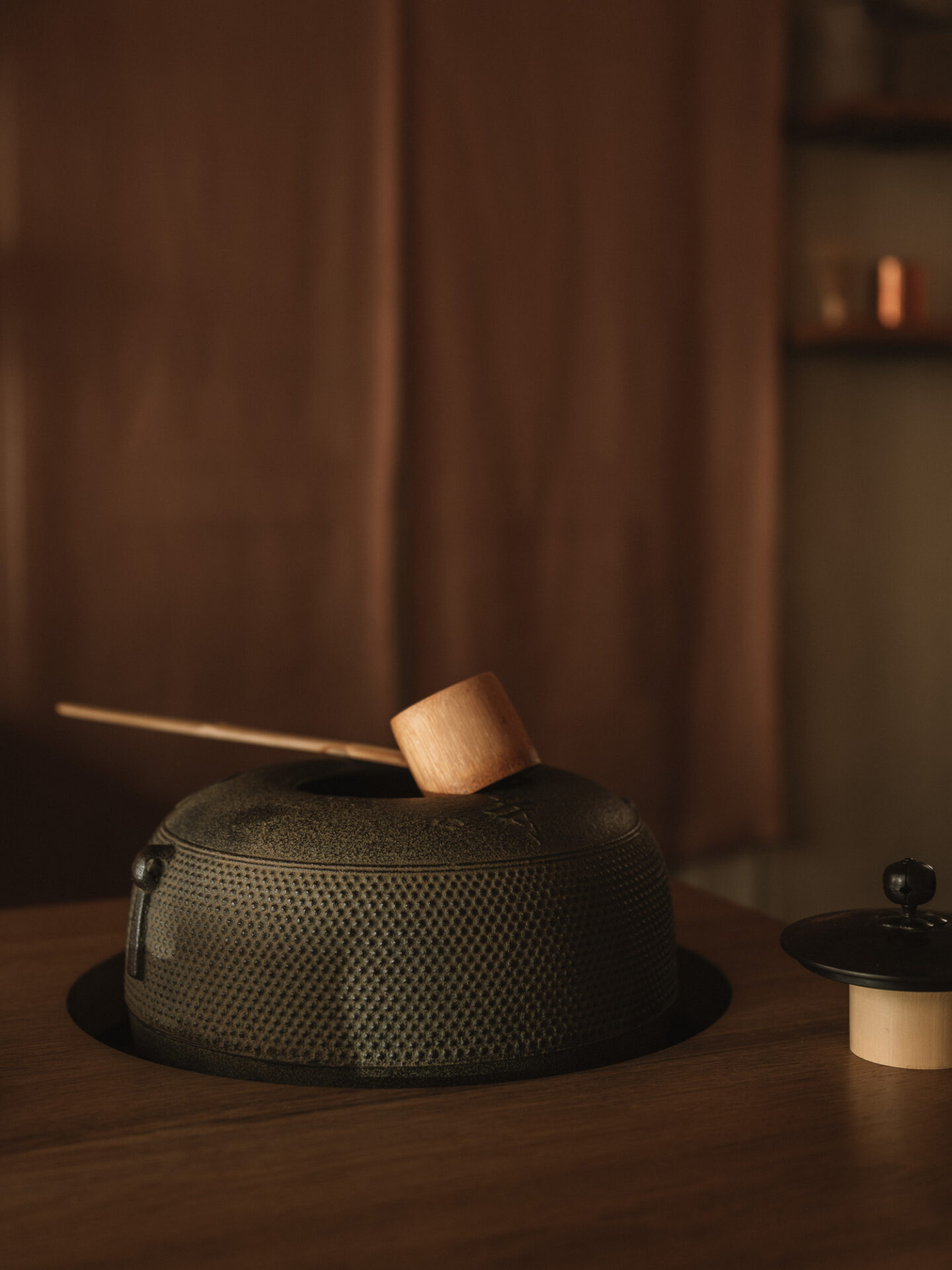
In The Book of Tea, Okakura Kakuzō wrote that “Tea is more than an idealisation of the form of drinking; it is a religion of the art of life.” Published in 1906, the tea philosopher’s seminal work introduced Western audiences to an understanding of tea as an expression of Japanese aesthetics and spirituality; a practice of attentiveness shaped by its entanglement with Zen Buddhism and Taoist ideas of simplicity, impermanence, and the beauty of the ordinary. The sixteenth-century tea master and cultural reformer Sen no Rikyū refined the developing wabi-cha (侘び茶) tradition, in which tea ceremonies emphasised humility and restraint.
"In Japan, there is a culture of kissaten (喫茶店), traditional cafés where you come to relax, be silent, and listen to music."
With this rich history in mind, Marcin notes that tea culture itself can be very broad. “It can be very casual, it can be very simple: it is special in different ways. There are many places you might be afraid to step into because you feel you don’t possess the experience required. We want to remove that ‘knowledge’ barrier and make it easy for everyone to share in our curiosity.” The result is a space that draws from the rich culture of tea houses and ceremonies, but renders it slightly anew. “Beyond appreciation for the craft, the culture, and everything that surrounds it was really the desire to create an easy-going atmosphere. In Japan, there is a culture of kissaten (喫茶店), traditional cafés where you come to relax, be silent, and listen to music. We thought this idea was great. Why not present the depth of tea in this way?”
"We really believe in creating an atmosphere of attention."
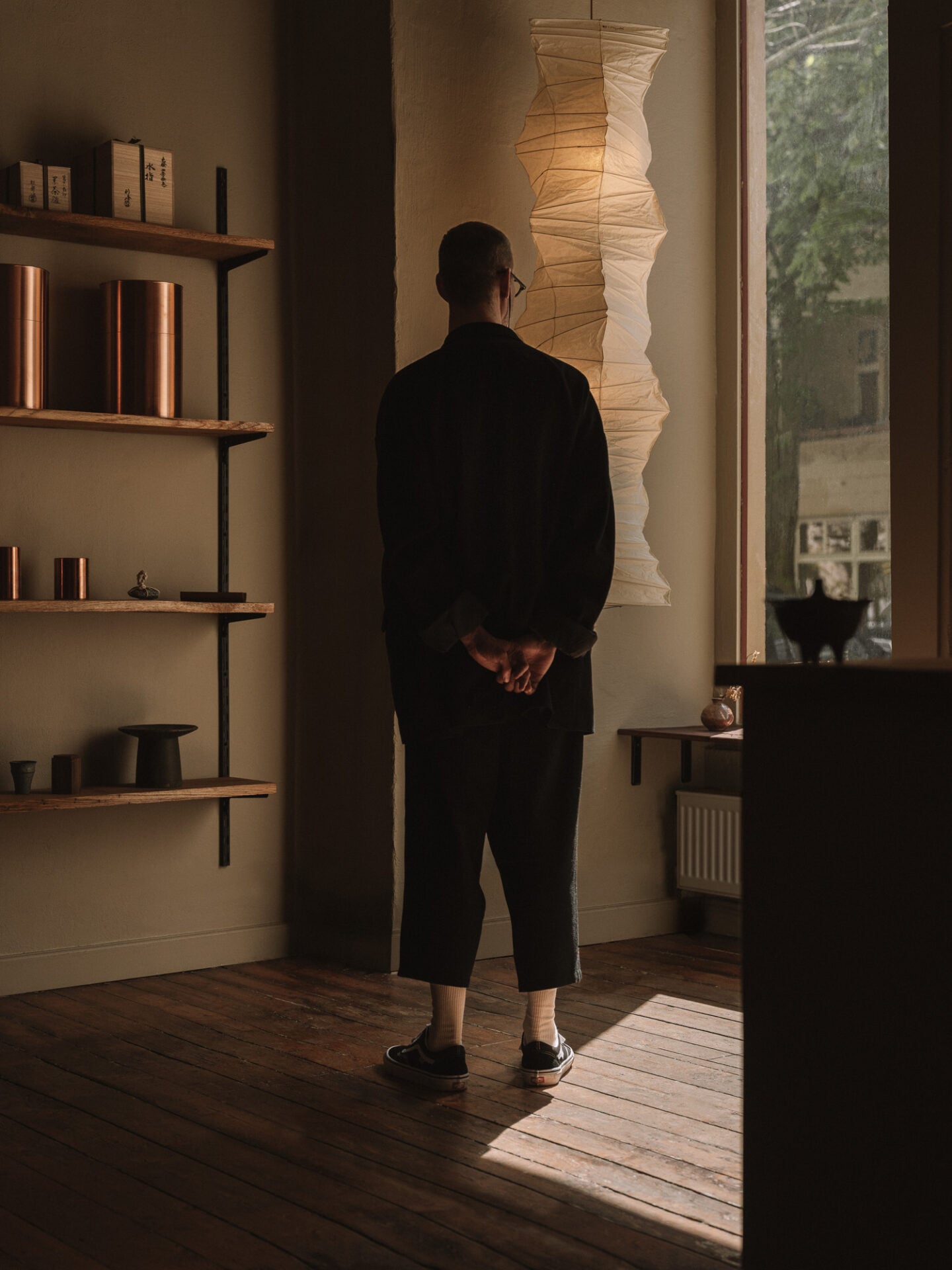
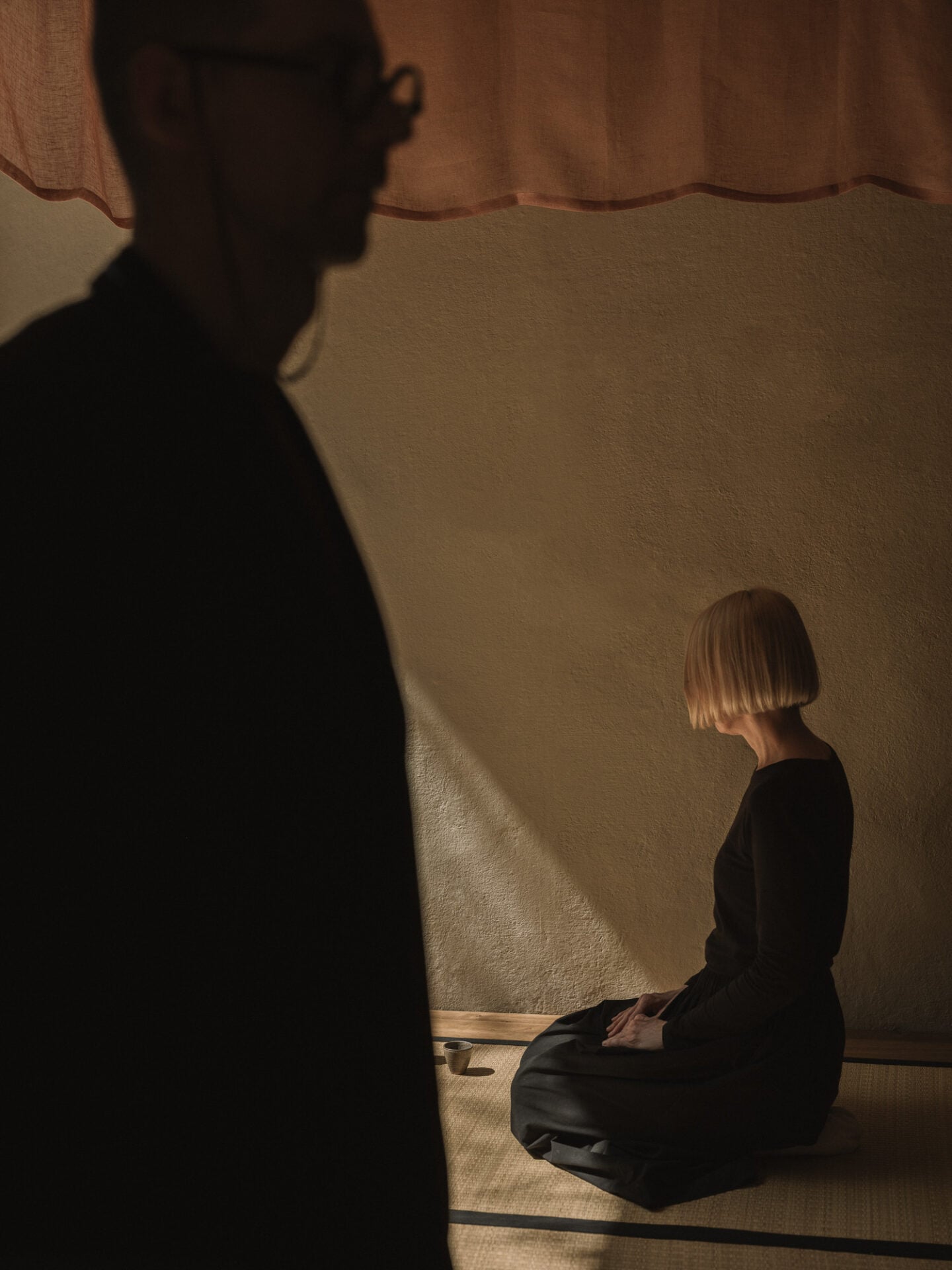
The kissaten tradition offers a useful lens: where the formal tea ceremony demands studied preparation and ritual knowledge, the kissaten asks only that you sit and attend. Kissabō’s name draws on this lineage. Written 喫茶房, it shares its first two characters with kissaten — 喫茶, tea-drinking — but swaps 店, shop, for 房, chamber. A quieter word for a quieter place; and in Berlin, where inner-city neighbourhoods are crowded with VC-backed coffee chains serving thousands of three-euro flat whites, a completely unique hospitality offering. As are Kissabō’s guidelines: lowered voices, no photography or filming of those present without their consent, and the expectation of queueing quietly outside during busy times. “We really believe in creating an atmosphere of attention,” Marcin explains. “And since opening, we’ve observed that people really enjoy this — the calming of the space — even if they didn’t have that intention when they arrived.”
"Nobody is in a rush when they see how much attention is being put in."
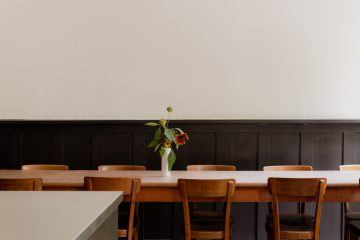
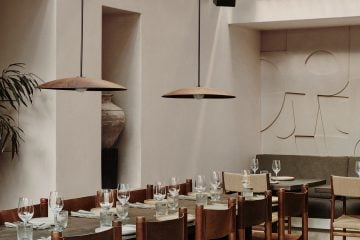
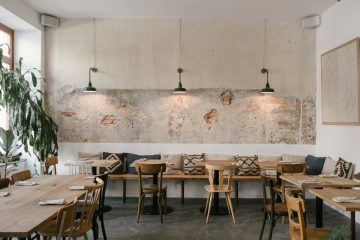
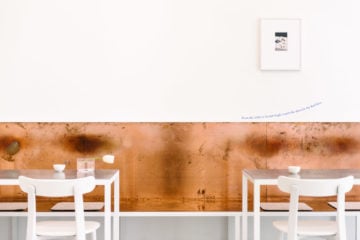
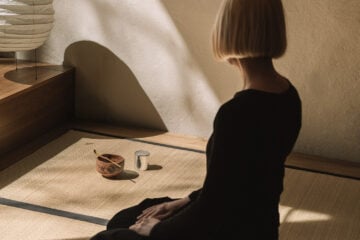
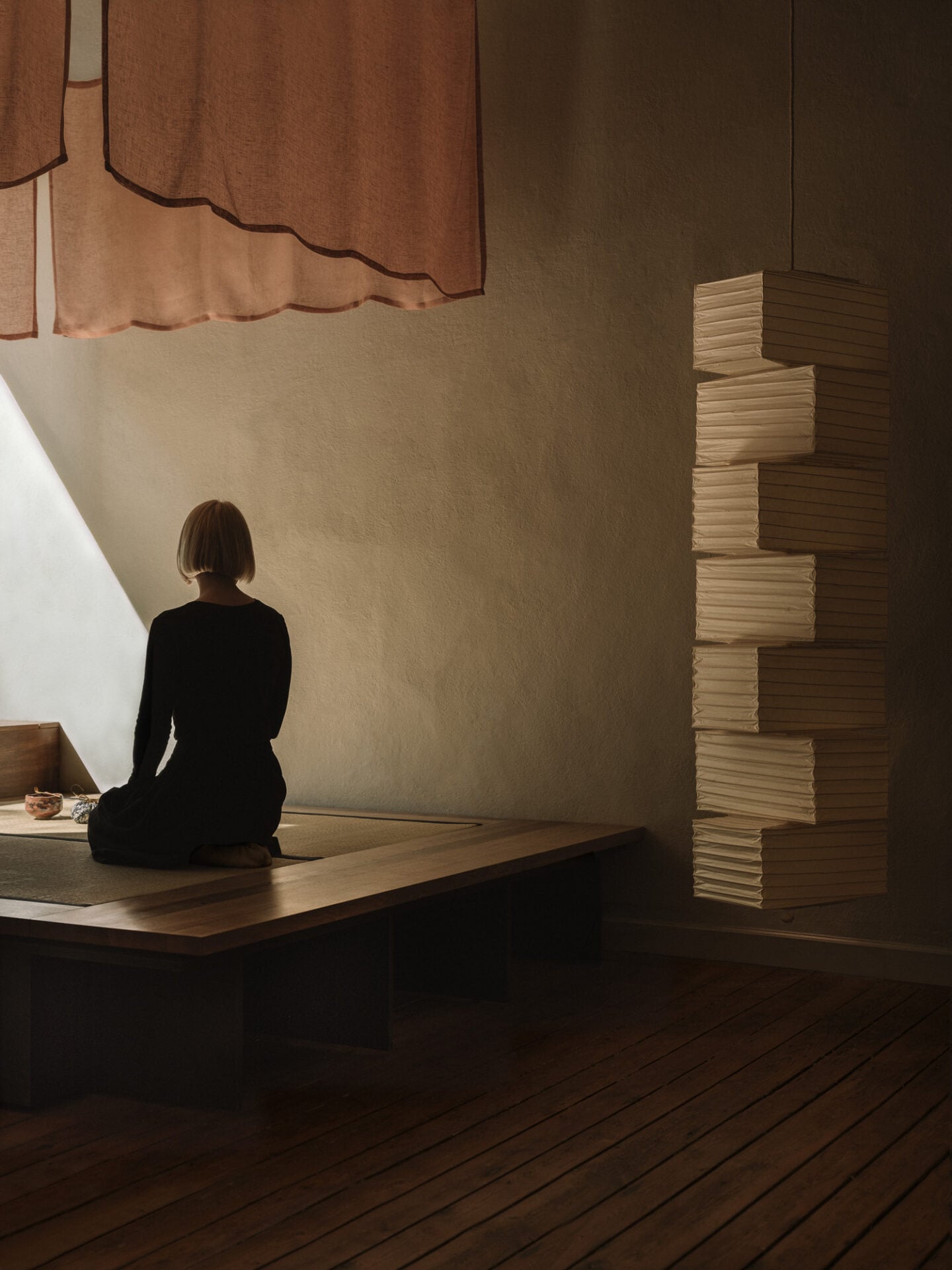
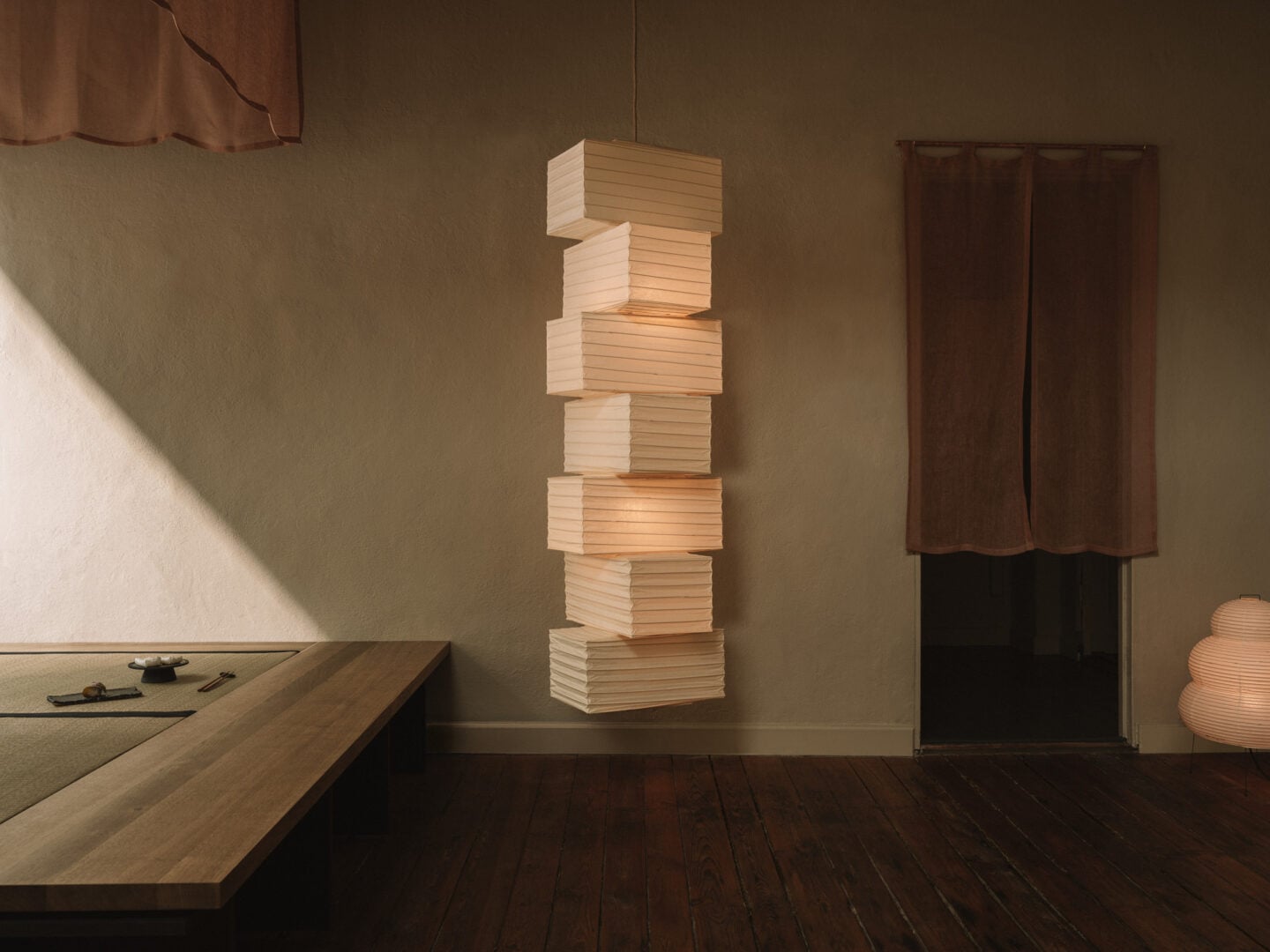
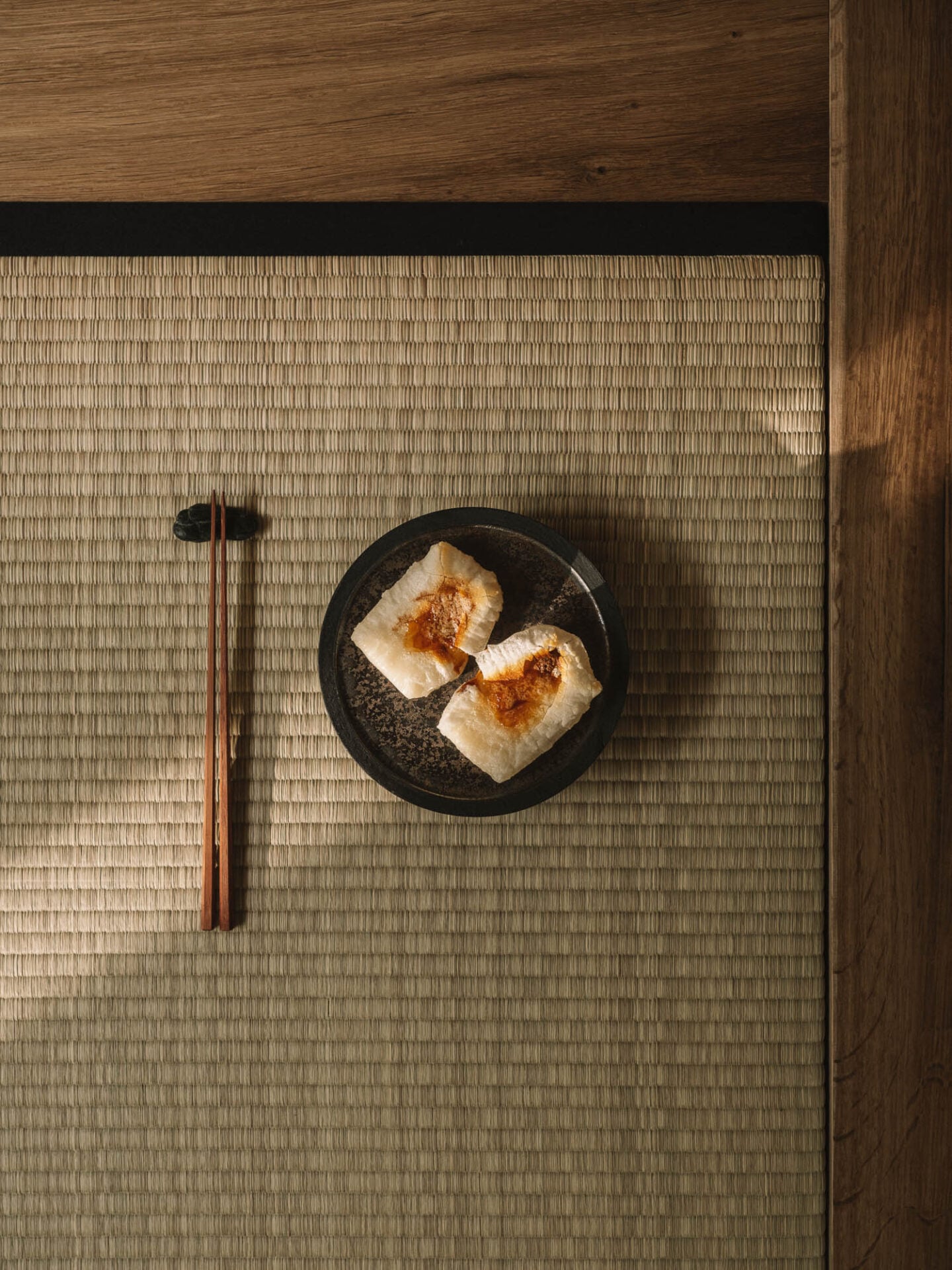
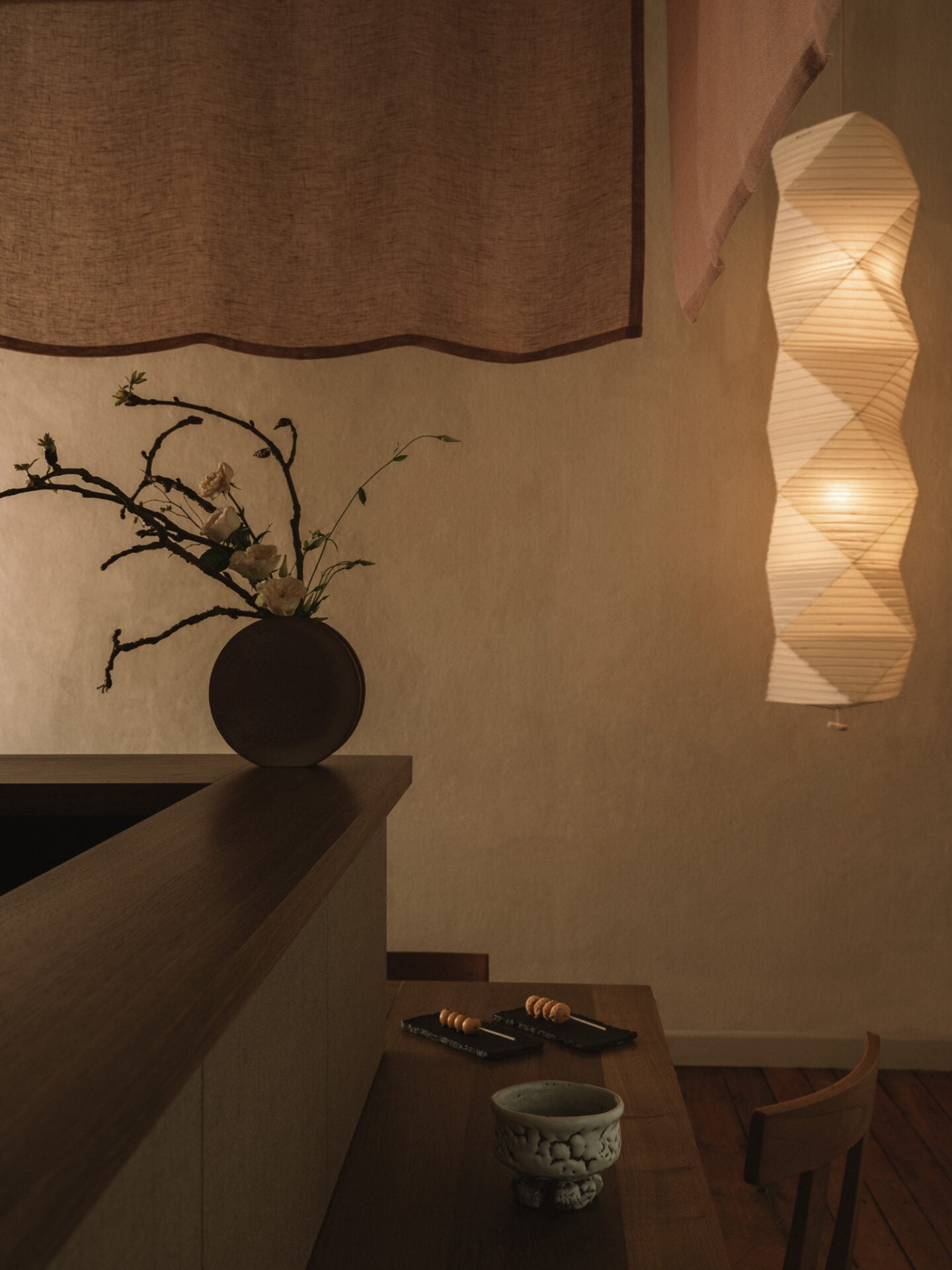
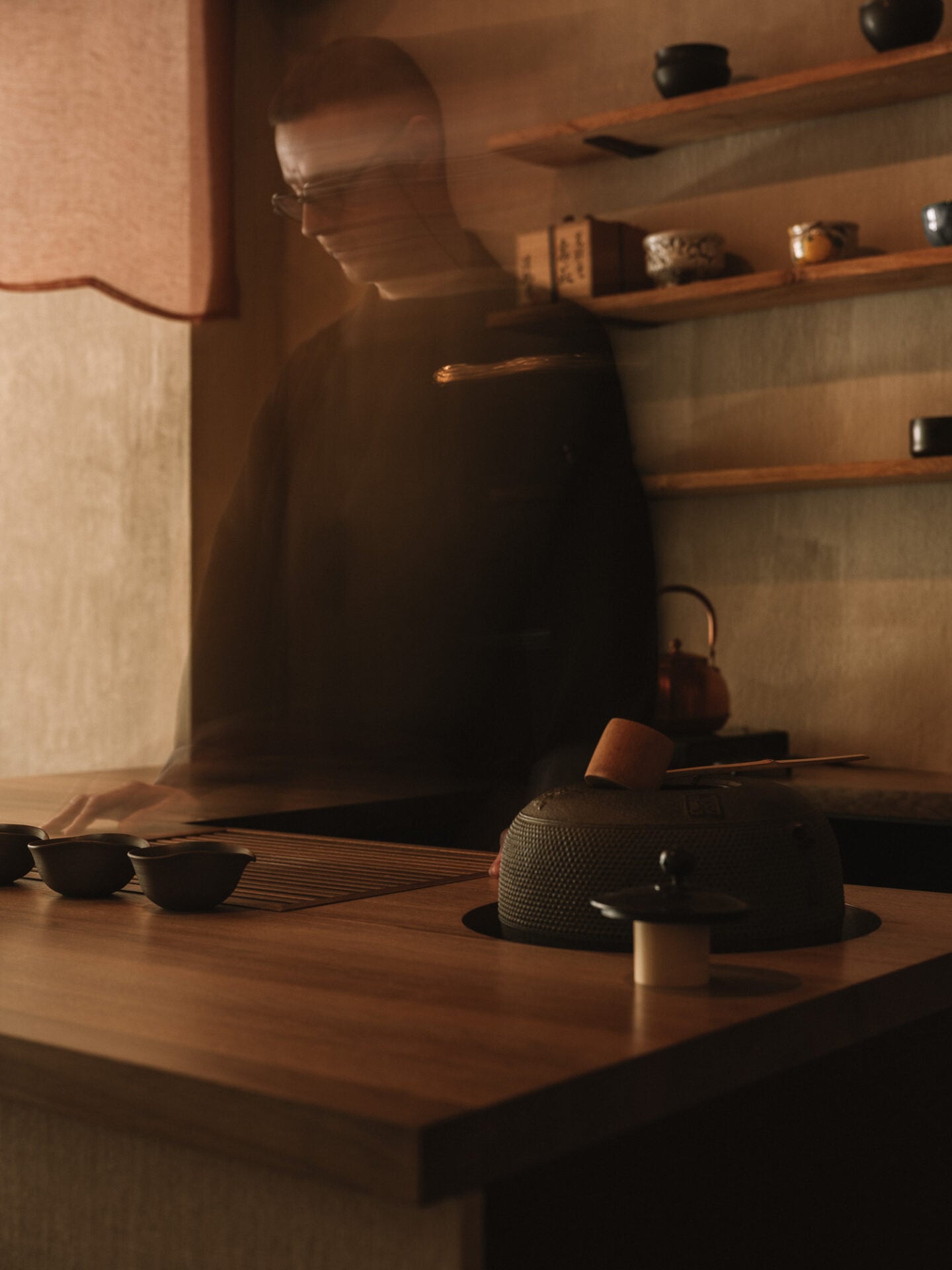
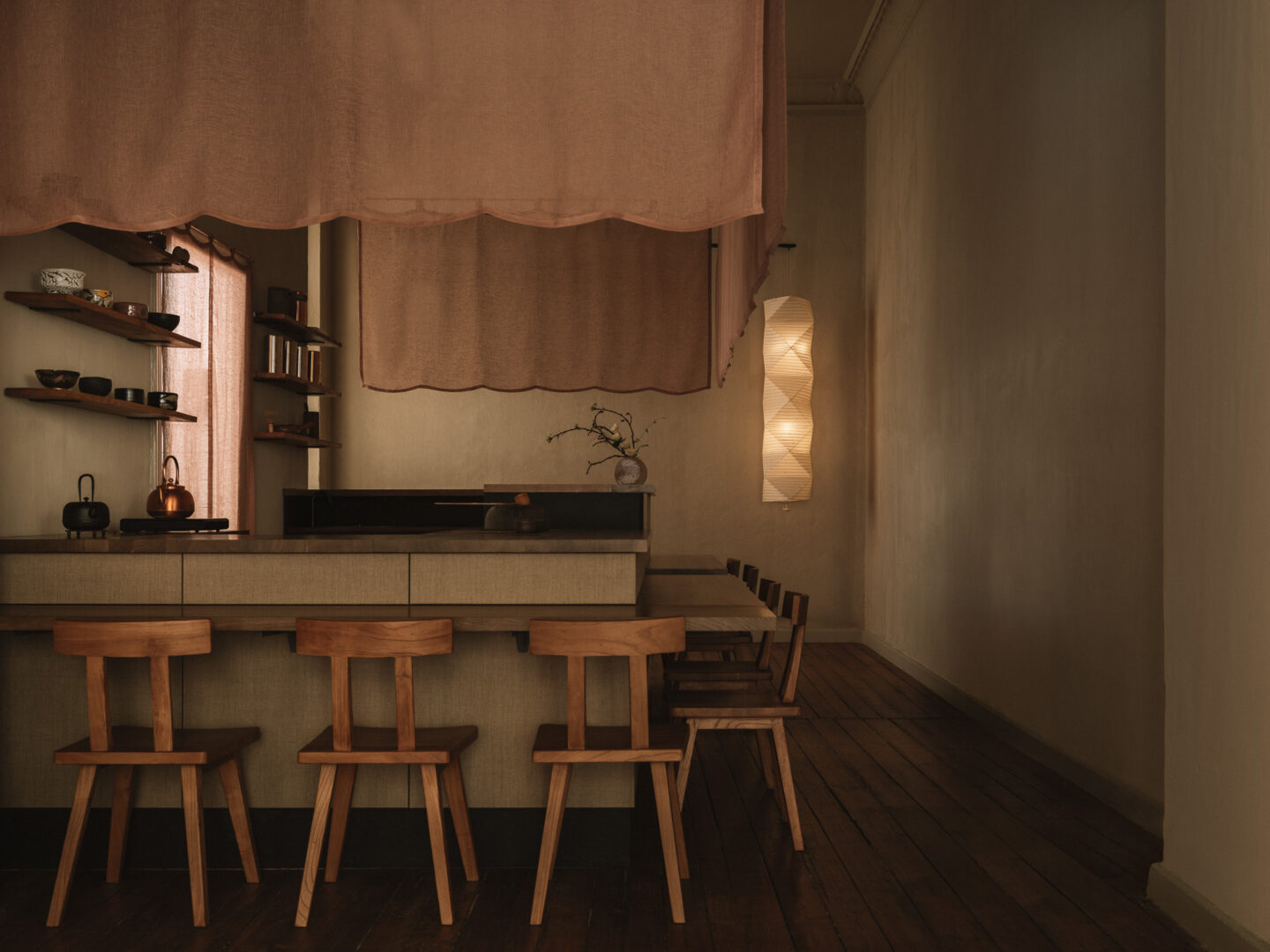
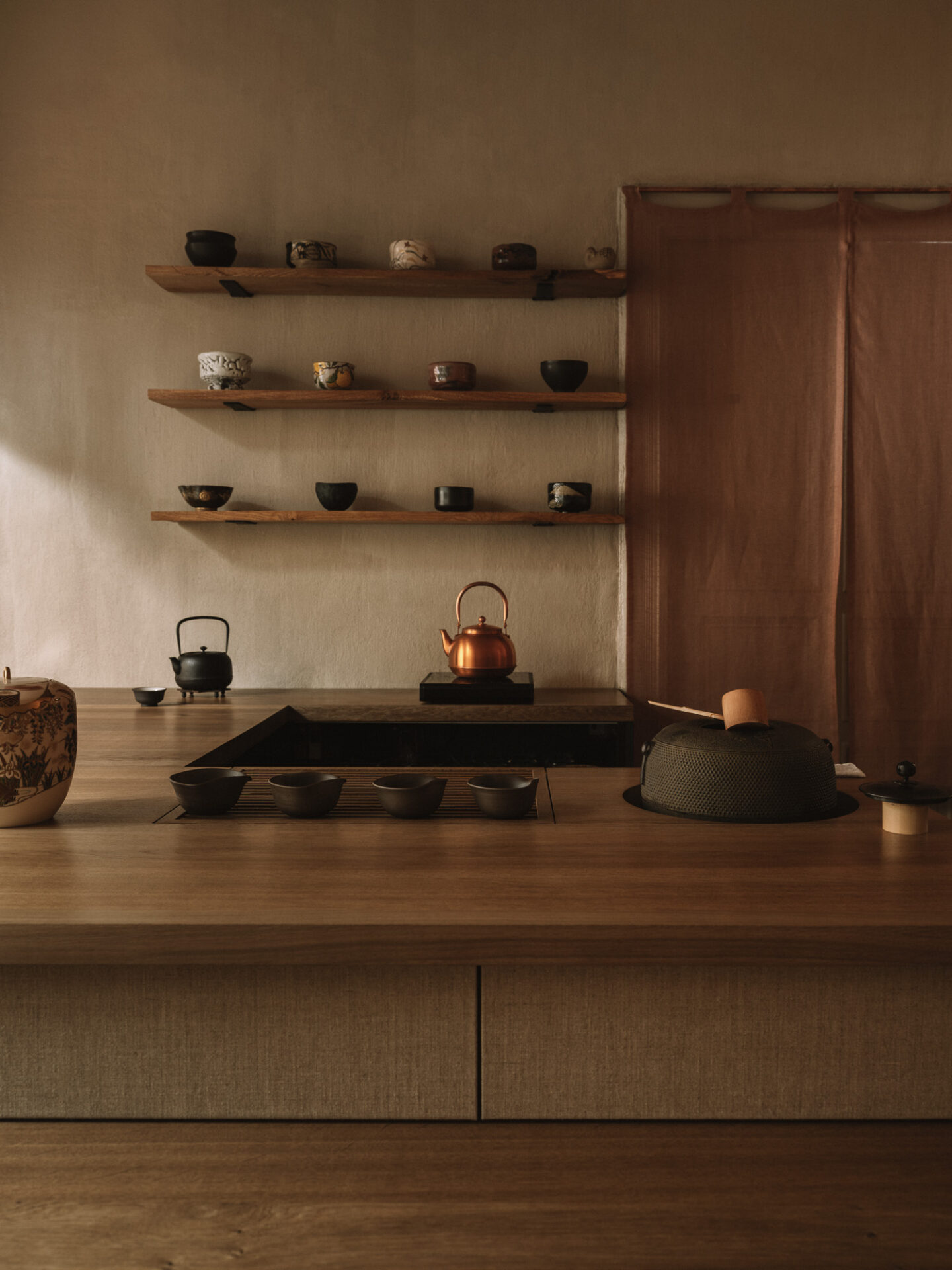
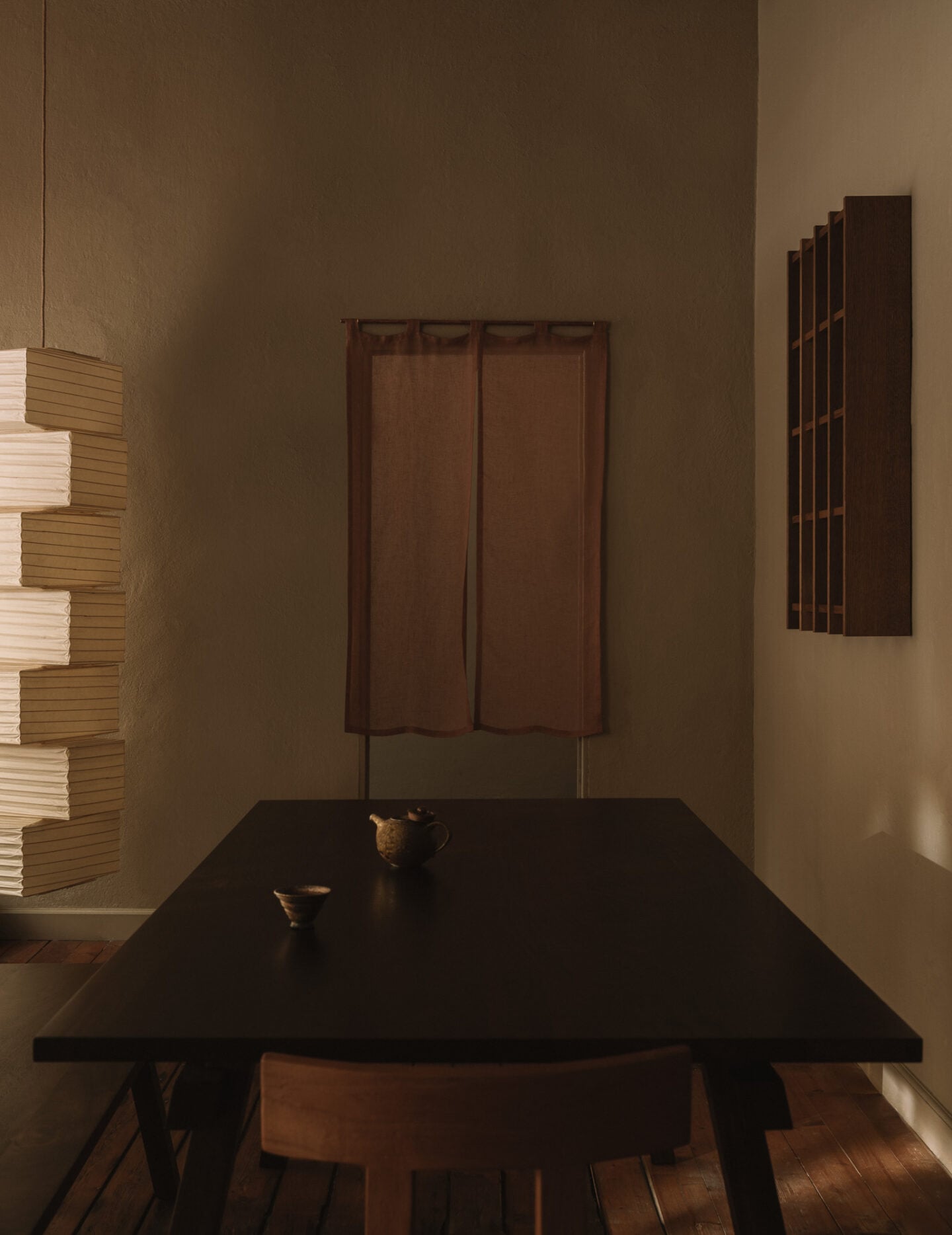
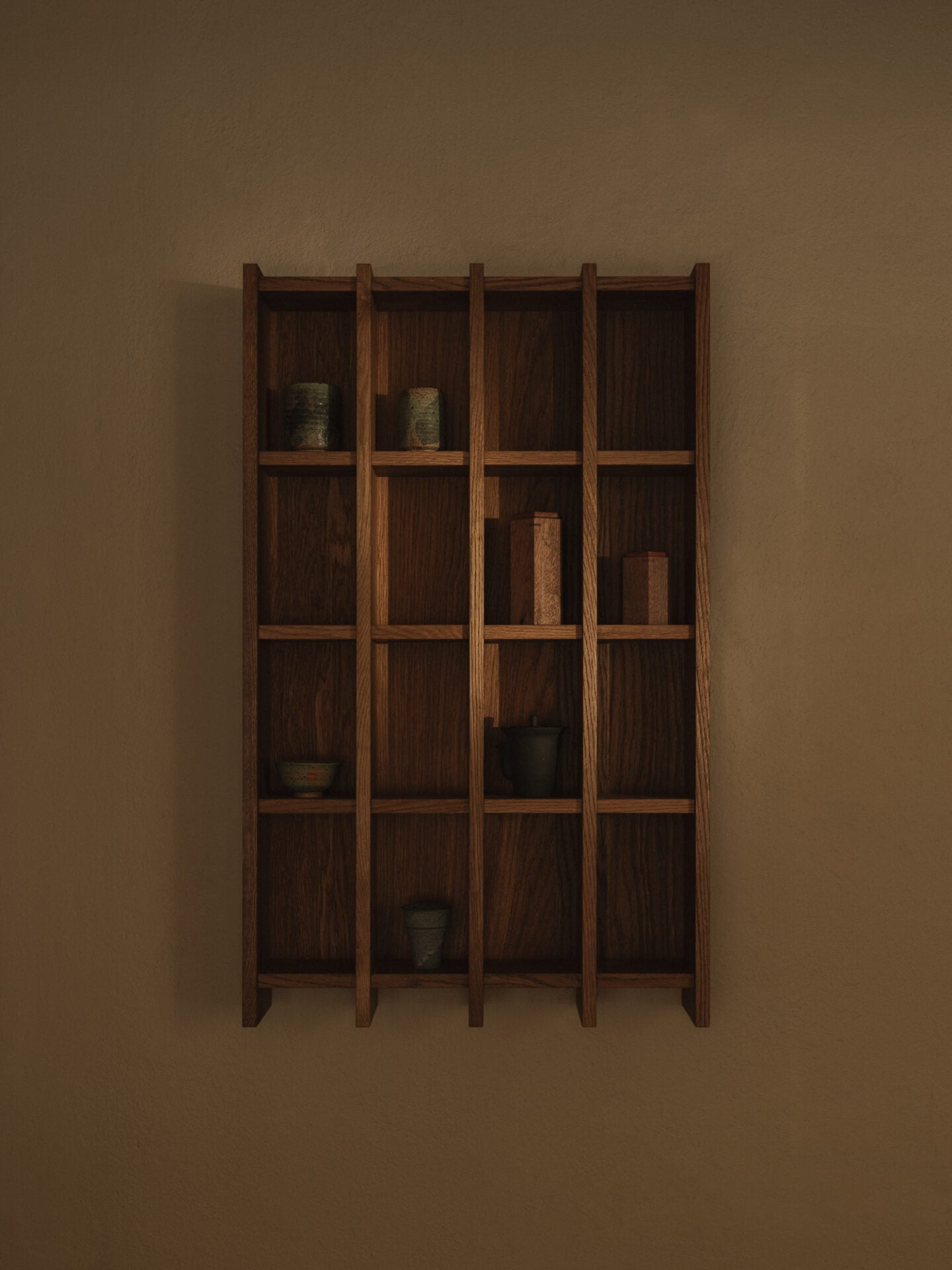
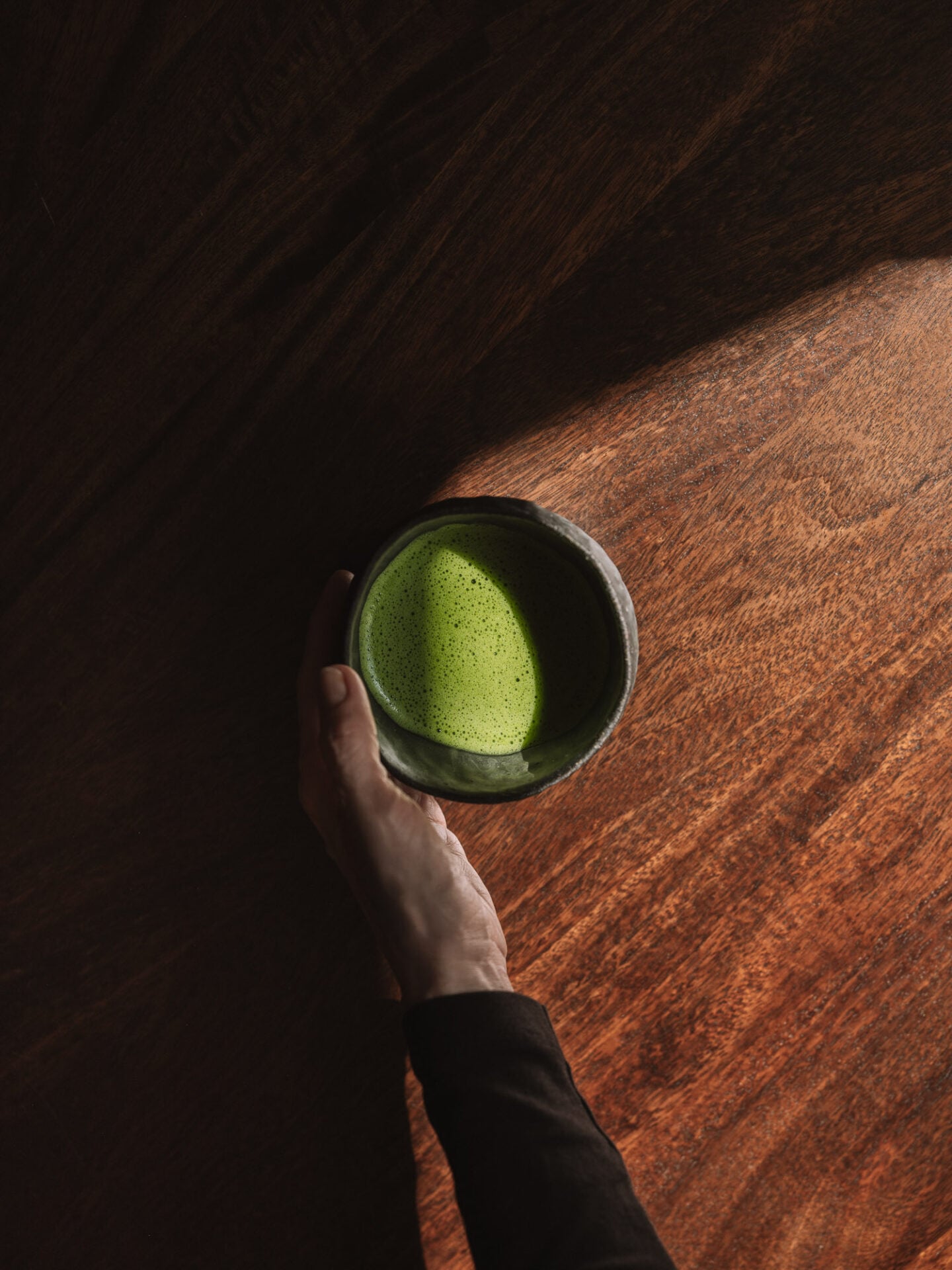
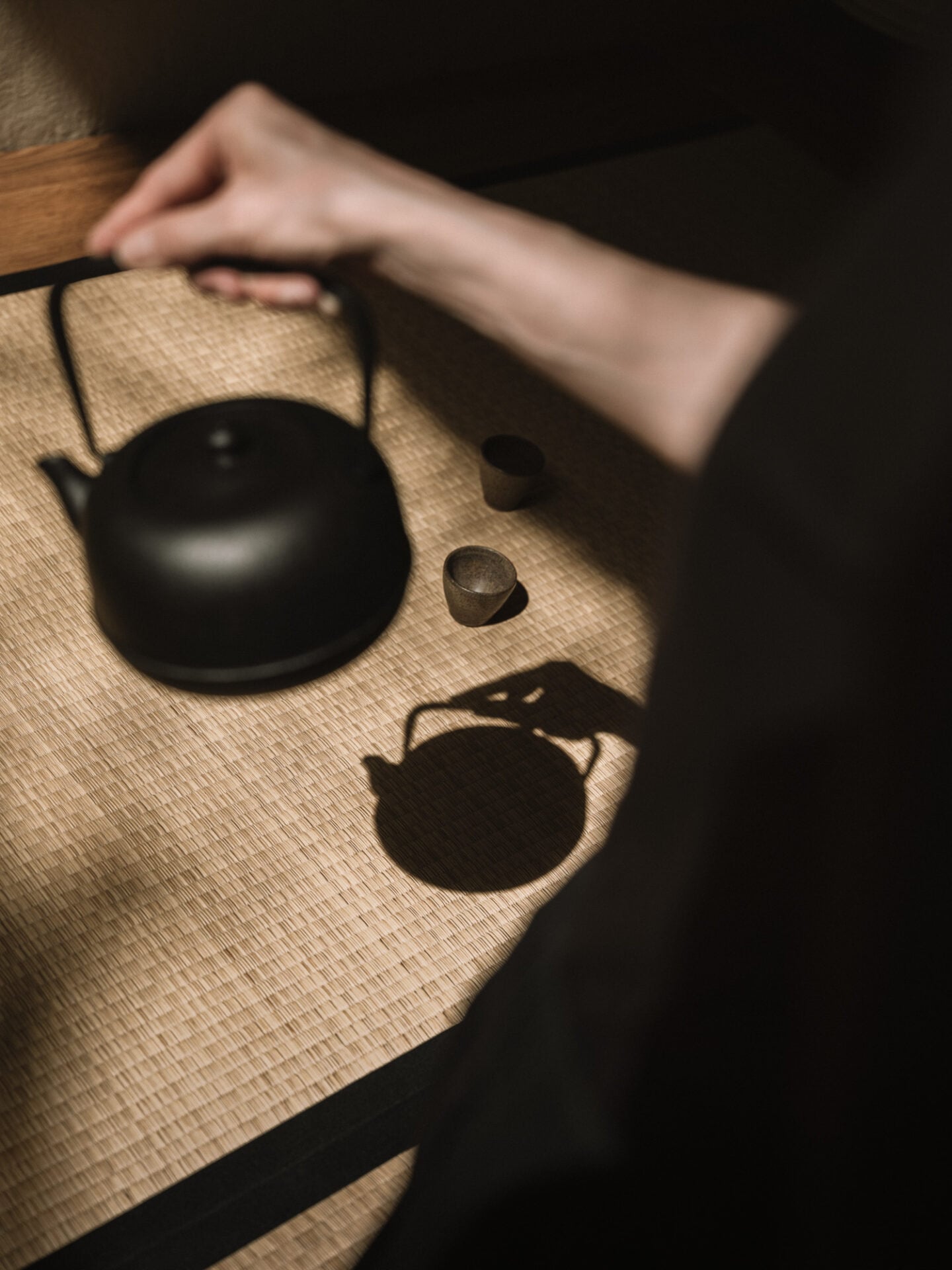
When visiting Kissabō, it is easy to see how it elicits such a response. The earthen-toned interior – replete with a custom oakwood tea bar, a communal table, a tatami area, and Noguchi light sculptures – is warm and atmospheric. “Everything kind of blends in, but has a voice of its own,” says Gosia. Their tea offerings – currently matcha, gyokuro, genmaicha, and hōjicha – are sourced from Japan and served alongside non-alcoholic seasonal cocktails and a range of handmade Japanese sweets. “We are very fortunate that people have trusted us with their work, their traditions, their years of culture. It is very humbling, and we are trying to do our best to share it in a proper way: without fuss, without overexplaining, always with proper care. I think when people see how everything is prepared, they behave in a way that respects the tea, which is beautiful. Nobody is in a rush when they see how much attention is being put in. They give back at the same level that we do.”
Address:
Kissabō
Kopenhagener Str. 16
10437 Berlin
Germany
Images © Clemens Poloczek | Text: Rosie Flanagan