A Vocabulary of Form: At Home With Sculptor Veronika Janovec
- Name
- Veronika Janovec
- Images
- Clemens Poloczek
- Words
- Anna Dorothea Ker
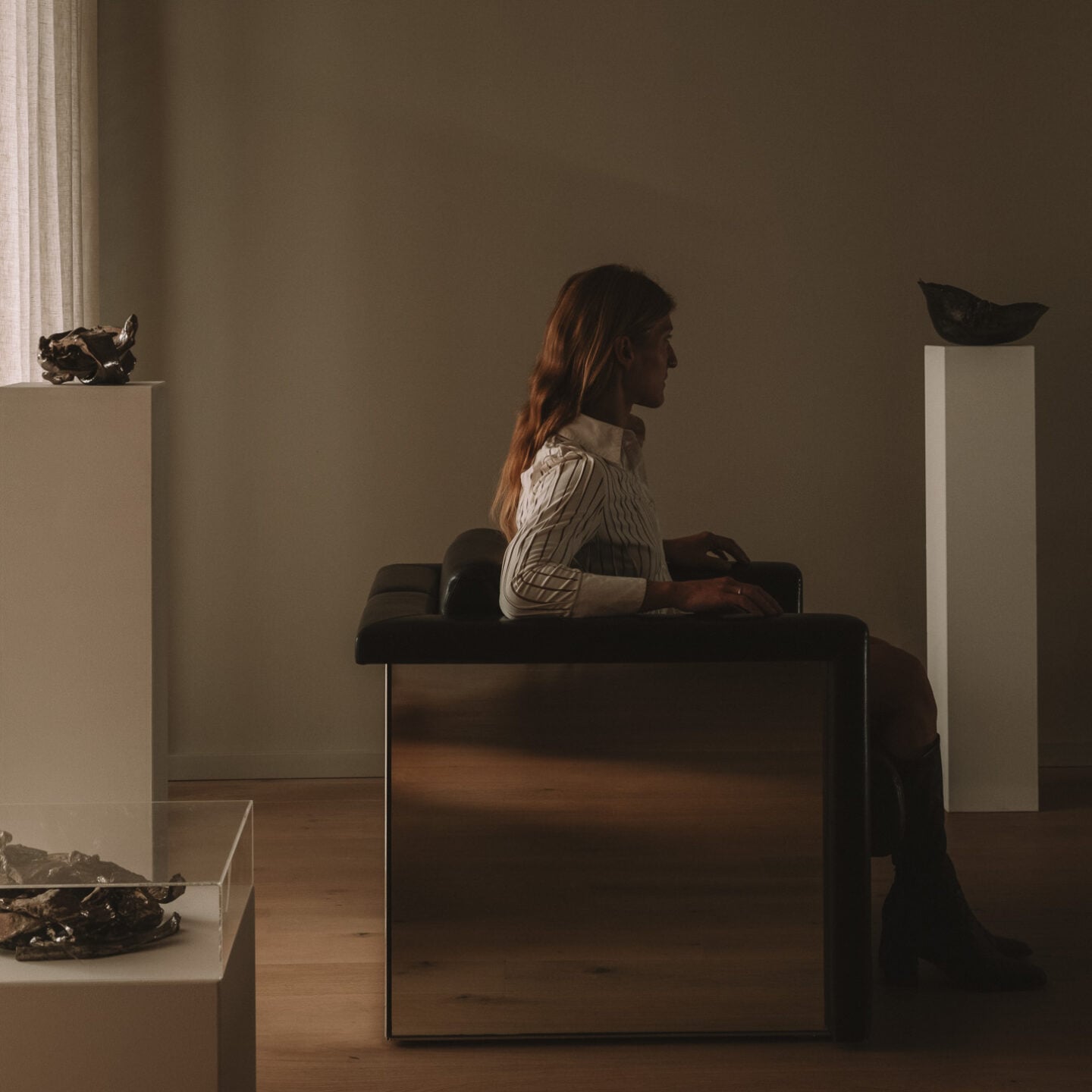
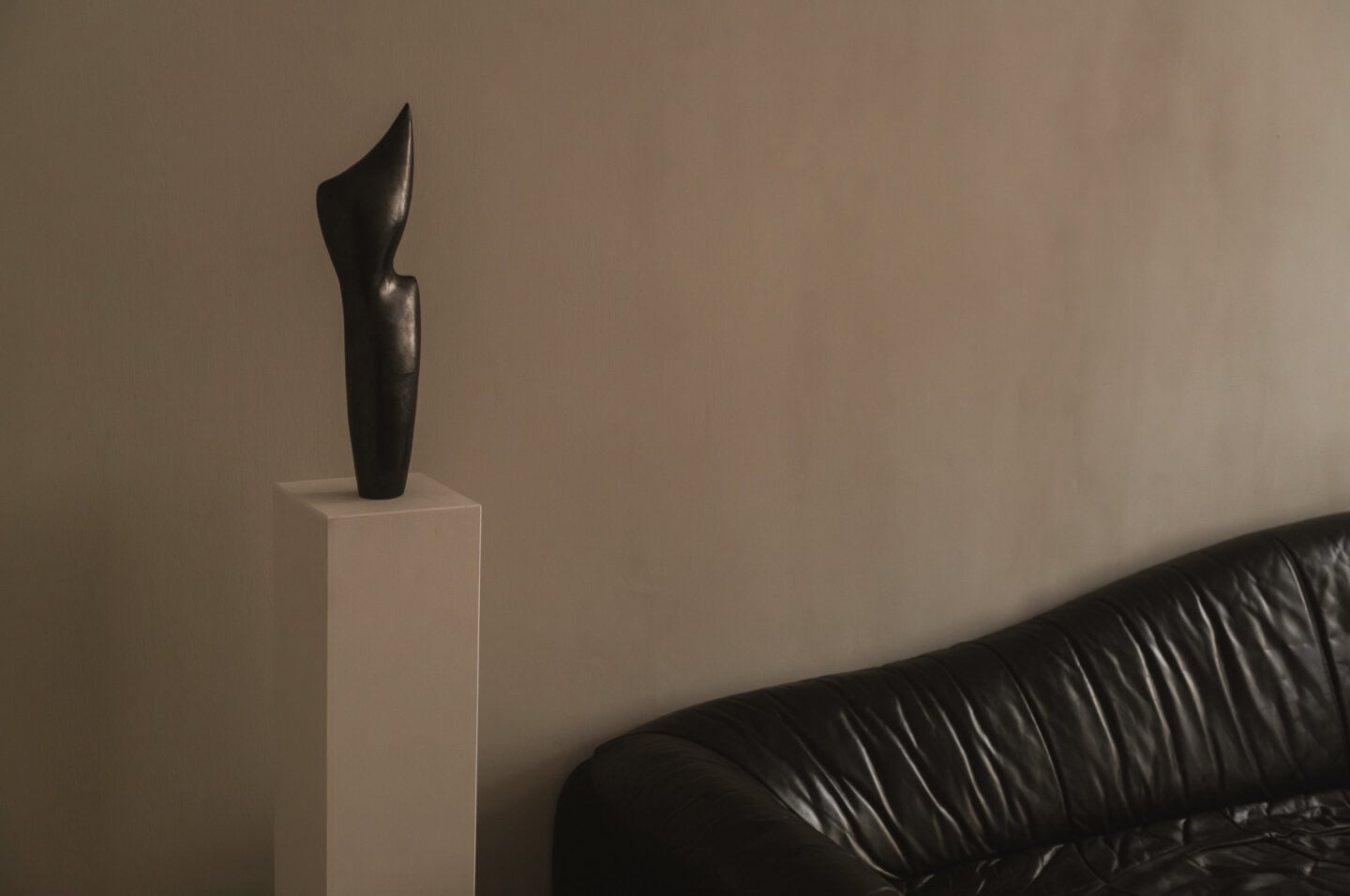
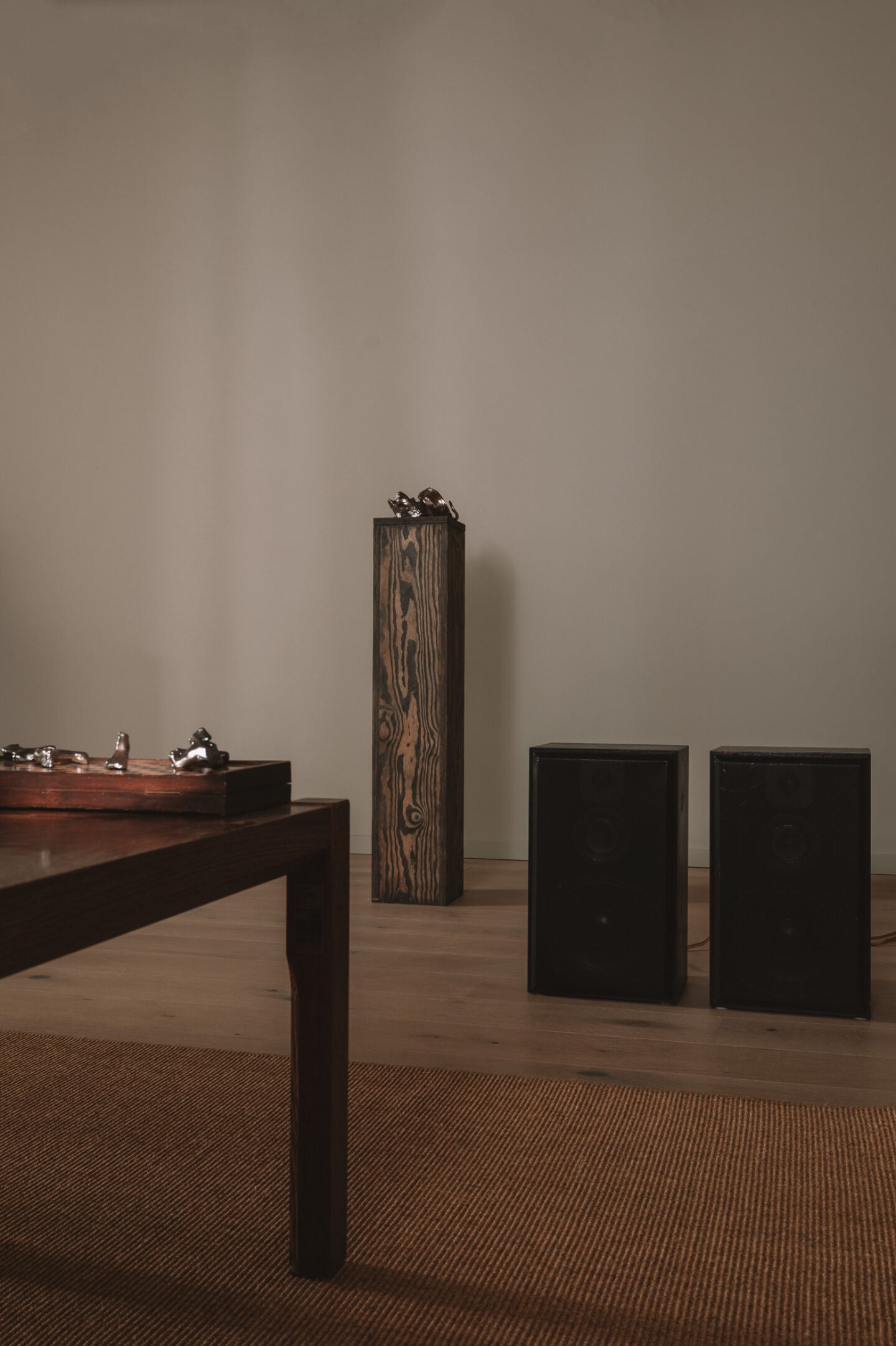
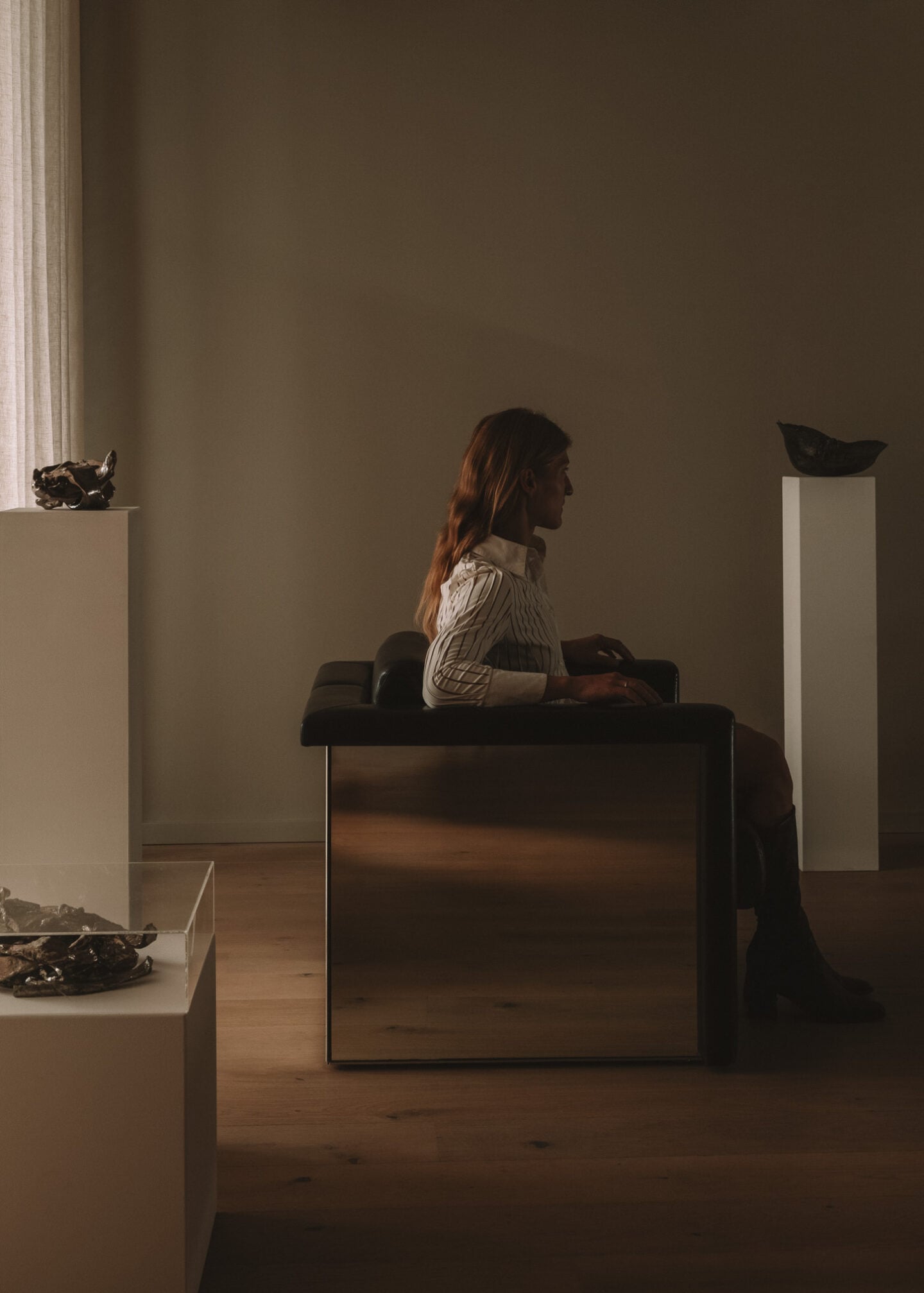
“Is the equation between destruction and growth also a formula for art?” writes American postmodern novelist Kathy Acker in Against Ordinary Language: The Language of the Body, her seminal 1993 meditation on how weightlifting exposes the shortfall of words in capturing embodied experience. The question hovers at the edges of a visit to Slovak sculptor Veronika Janovec’s apartment in Kreuzberg, Berlin—part private home, part ongoing testing ground for the effect of her works within space. Its sparse palette and gallery-like air suggest art and life as a single continuum.
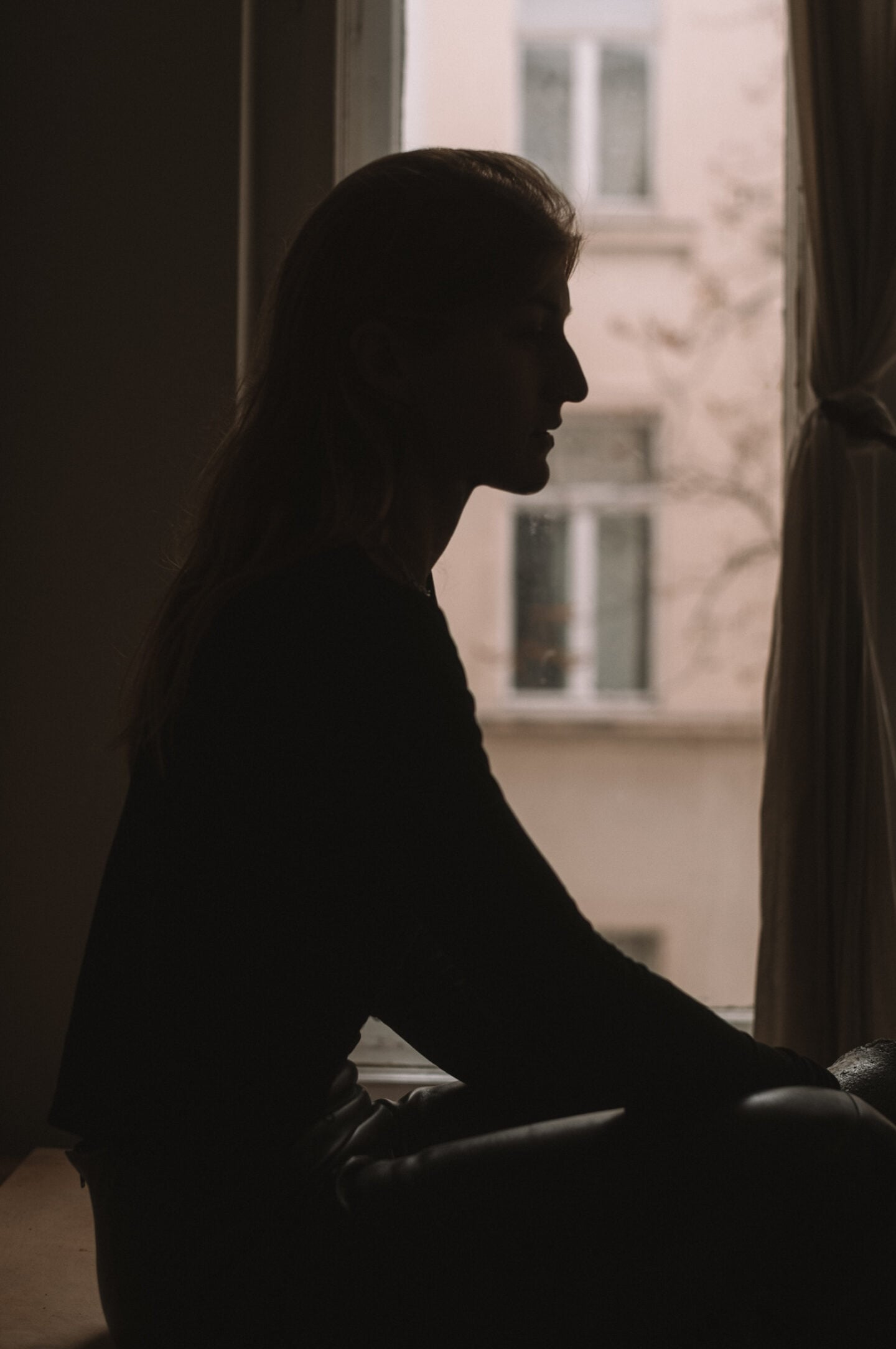
As a trained architect and ardent weightlifter, Janovec treats corporeality as foundational to her practice. “My brain is in my hands and in my body,” as she puts it with a smile. Between her hands, through the same fidelity to repetition that characterizes her lifting routines, clay is a medium through which to explore metaphysical preoccupations, among them time and nature, and ideas of beauty. In conversation with Ignant, she teases out the lines of inquiry that surface in the primordial forms drawing her fast-growing following; their charge gathering between the fragile and the steadfast, expansion and decay, the remembered and the imagined.
A Way of Living
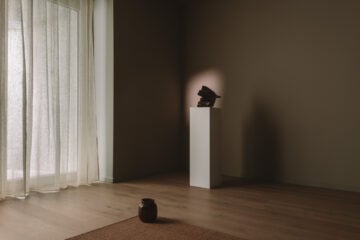
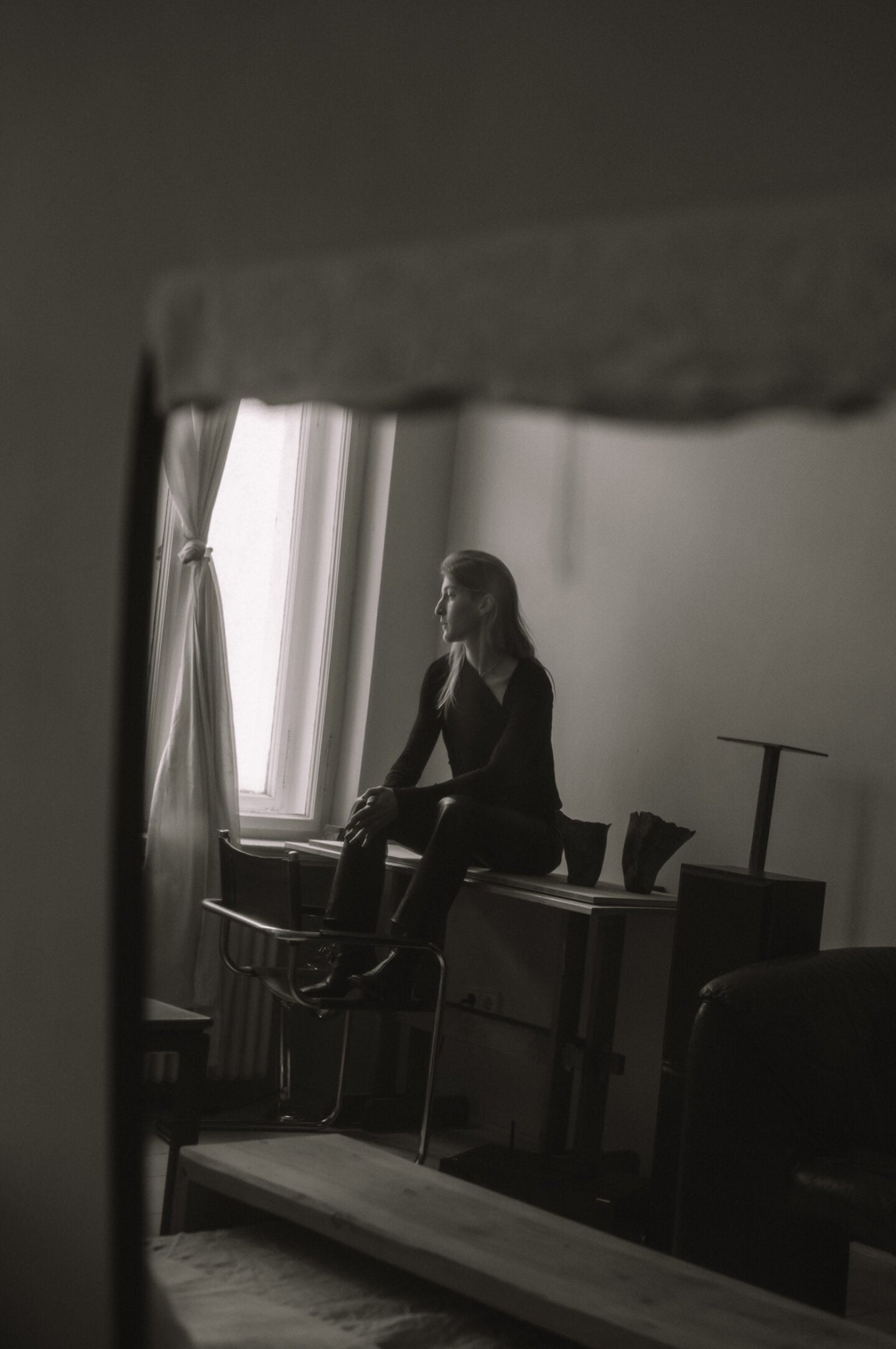
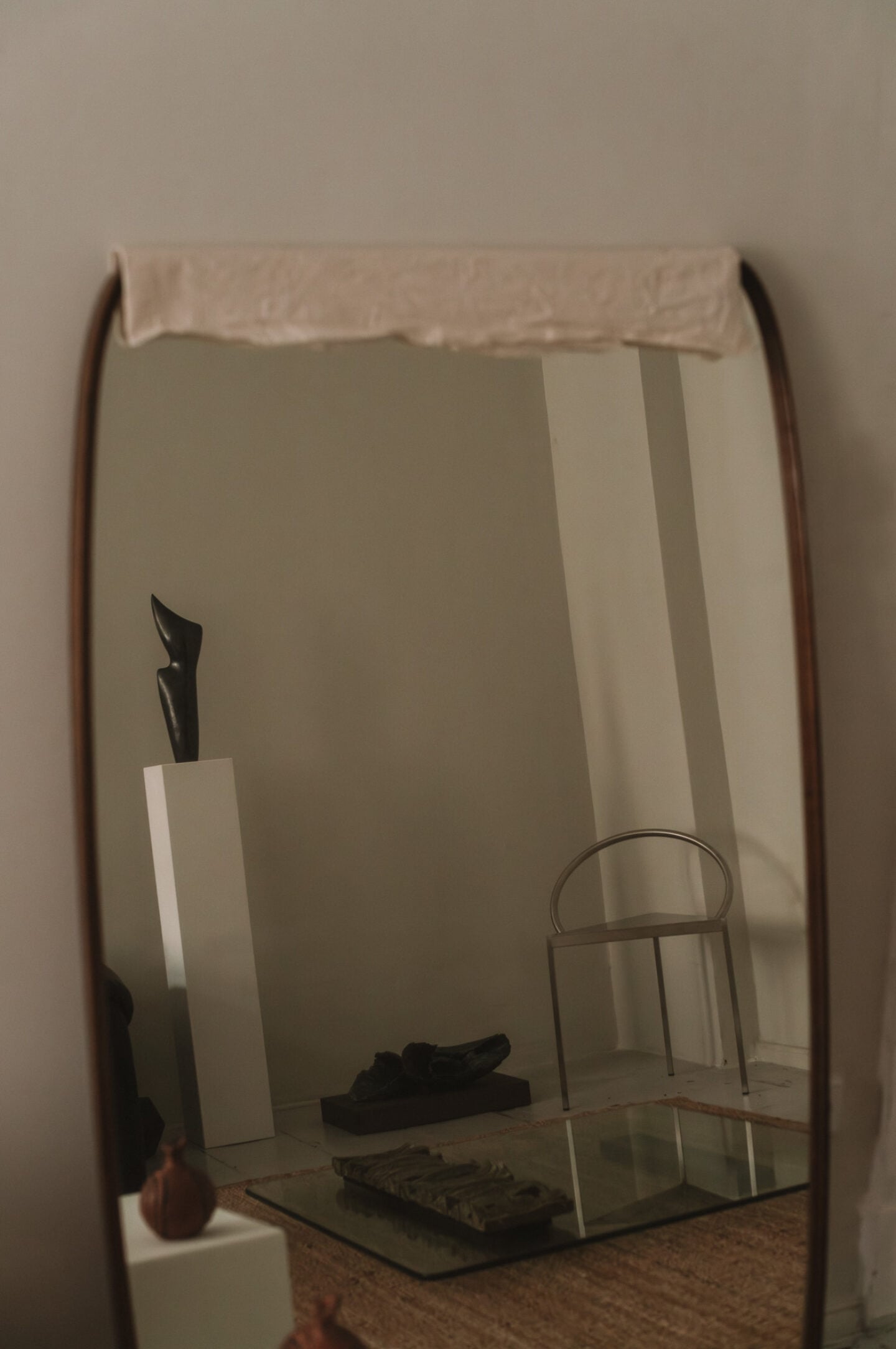
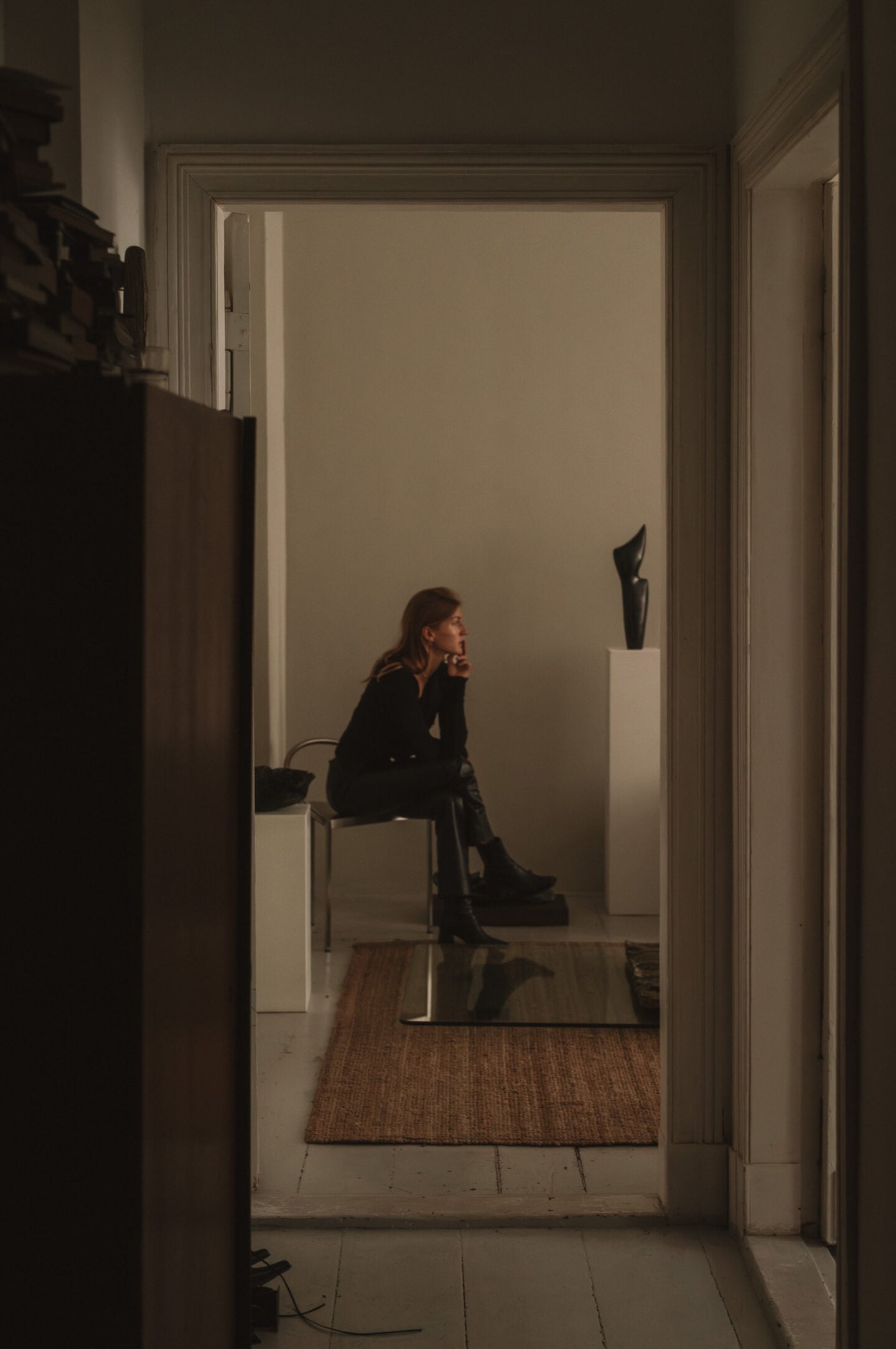
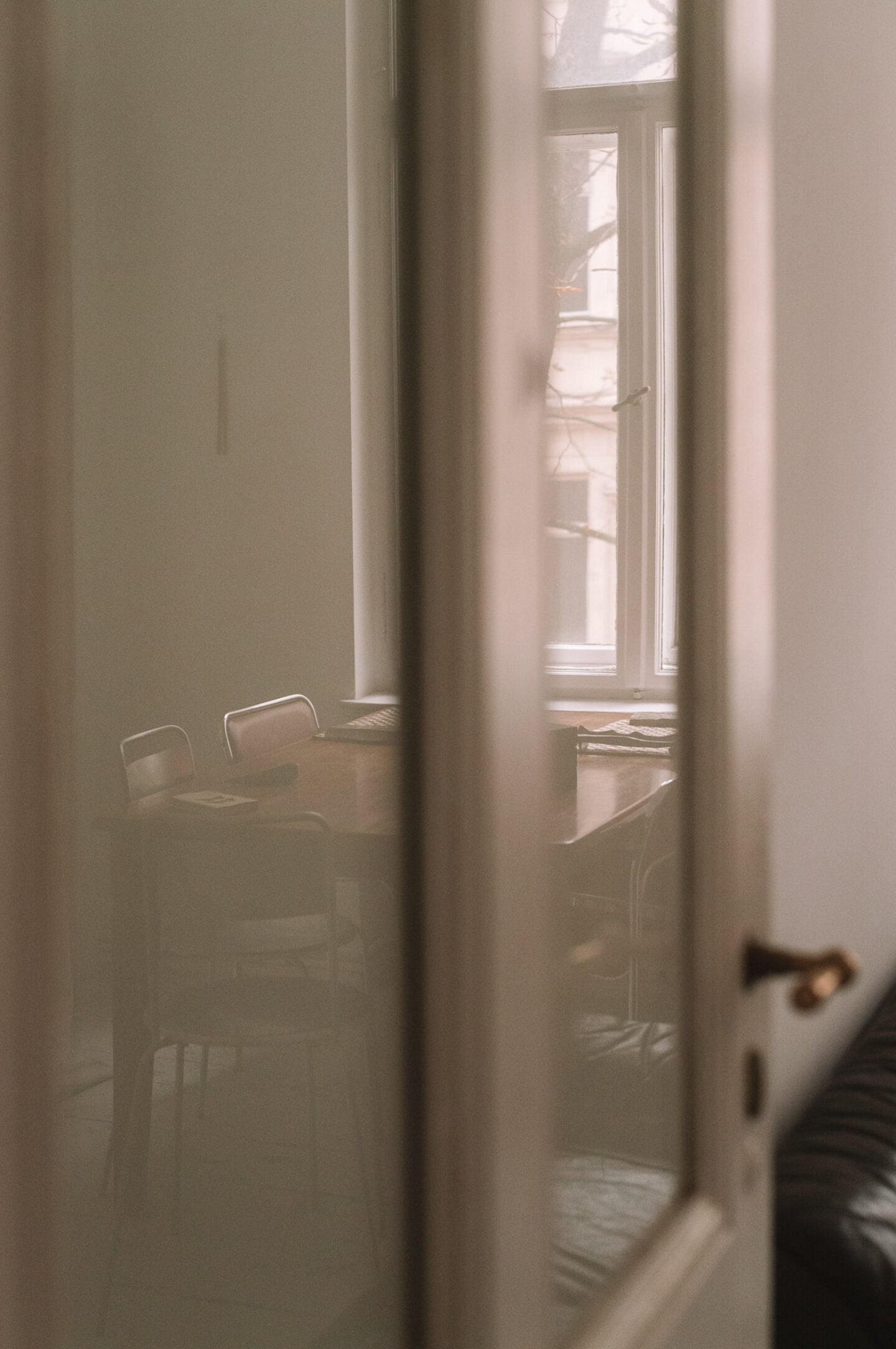
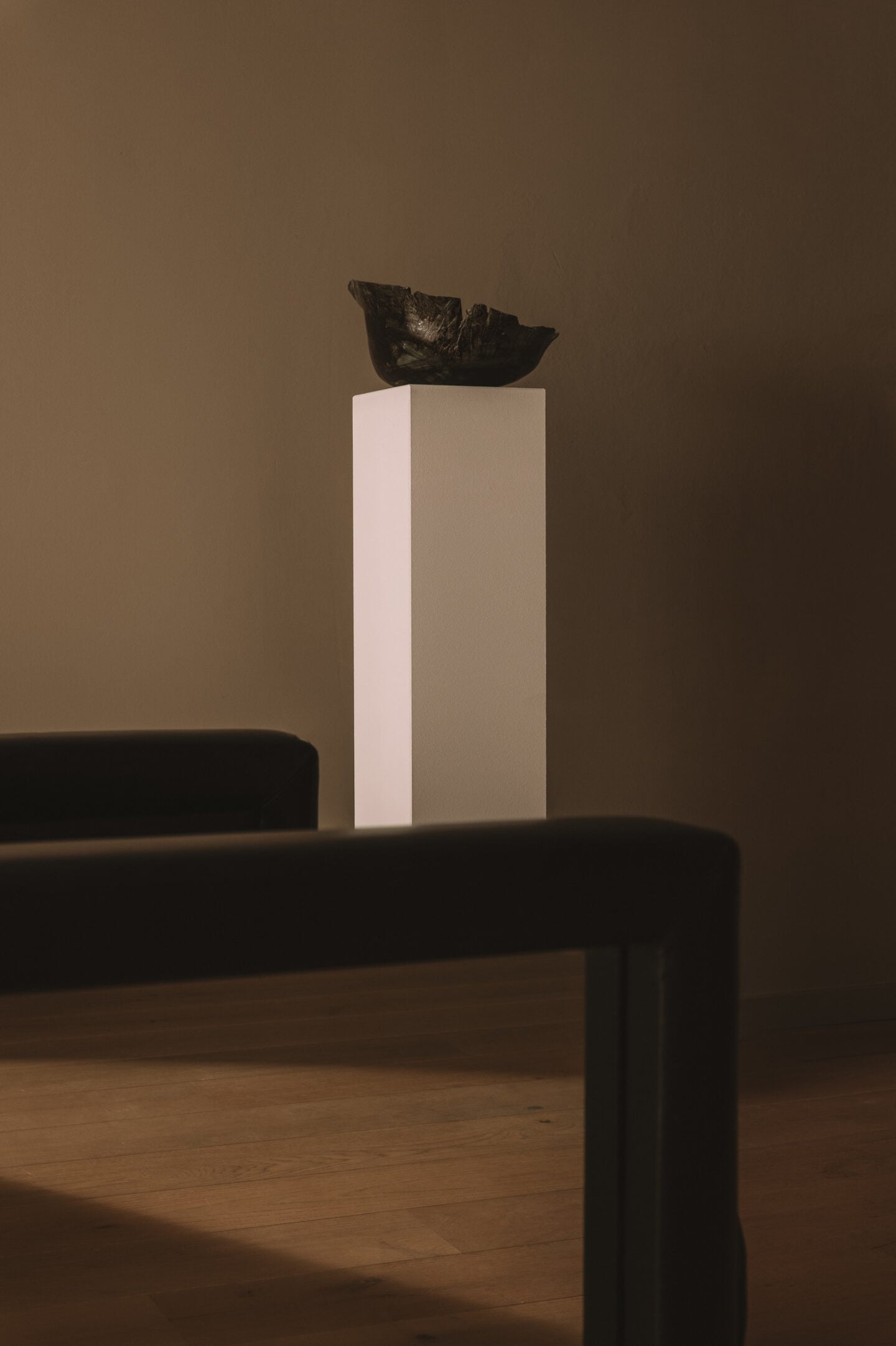
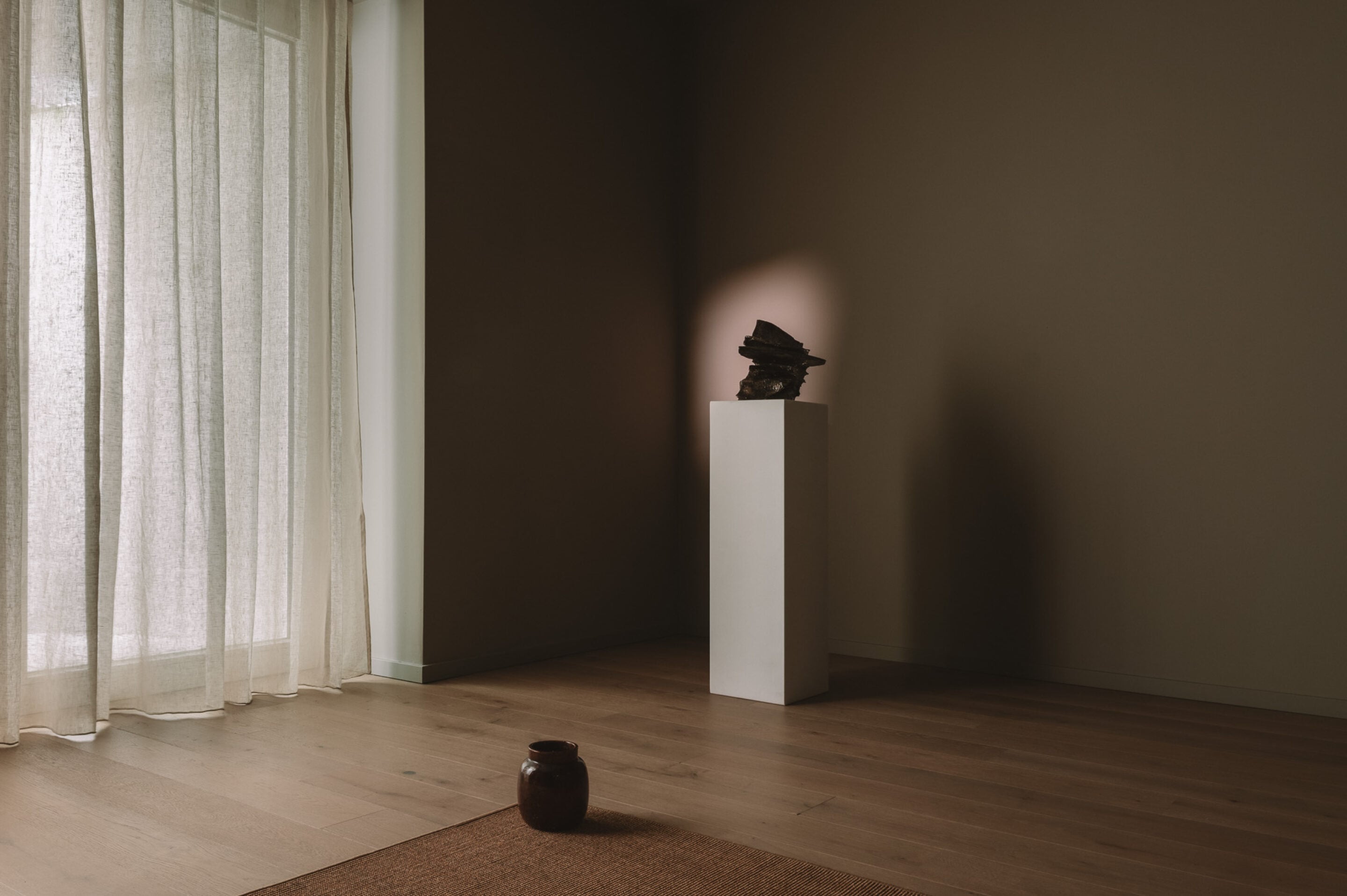
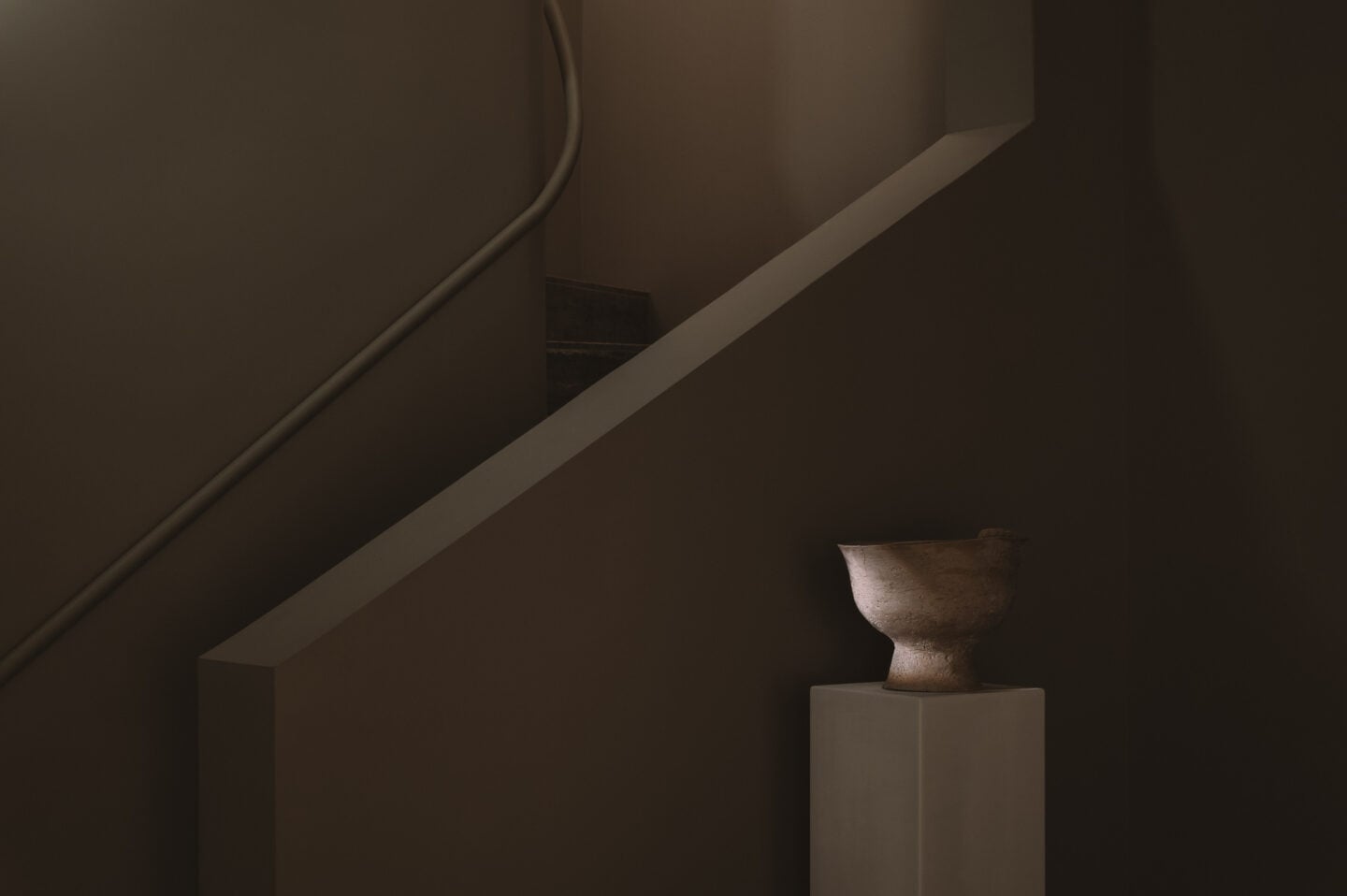
“Clay is a prodigious material,” Janovec says from across her dining table, flanked by neat stacks of books betraying a few of her many references—the Lebanese sculptor Saloua Raouda Choucair, adobe architecture, pre-Hispanic art. “It’s so clever. I don’t know of another material that is malleable and then it starts hardening but you can again bring that plasticity back by moistening—this dance between two states, solid and soft, in perpetual motion.” She outlines the foundations of her process in simple strokes: modelling the base, carving the form, refining the surfaces and texture, firing, glazing. Then the final step: bringing the work westwards, from the kiln of her Lichtenberg studio to her home, when she can “really see each piece for what it is”: its proportions, interaction with light, the height and angle of its presentation, and its relationship to space.
Janovec’s interest in the spatial dialectic of objects stems from her studies in architecture at the Architectural Association in London, a “pivotal moment” in her life. It was there that the genesis of her love for sculpture took hold. “My first sculptures were architectural models,” she says. Later, an elective course connecting students to a studio of her choice saw her first ceramic pieces take shape: fennel leaves dipped in layers of ceramic slip. Having moved to Berlin and intending to continue her studies at the Universität der Künste, a missed application deadline ended up feeling like destiny, “because then I had to come up with a plan,” she shares.
The plan that eventuated led her to South and Central America, pulled in by the beauty of Brazilian architecture, before a stint in Mexico City saw her work with interdisciplinary design practice Tezontle Studio. There, she was taken by founders Lucas Cantú and Carlos H. Matos’ emphasis on sculpture as a medium for their architectural practice. She recalls the inspired environment of their atelier in Mexico City’s historic center. “The materials, the plants, the library of books, the references and models…for them, sculpture was the translation of beauty. I recognized in it a way of living.”
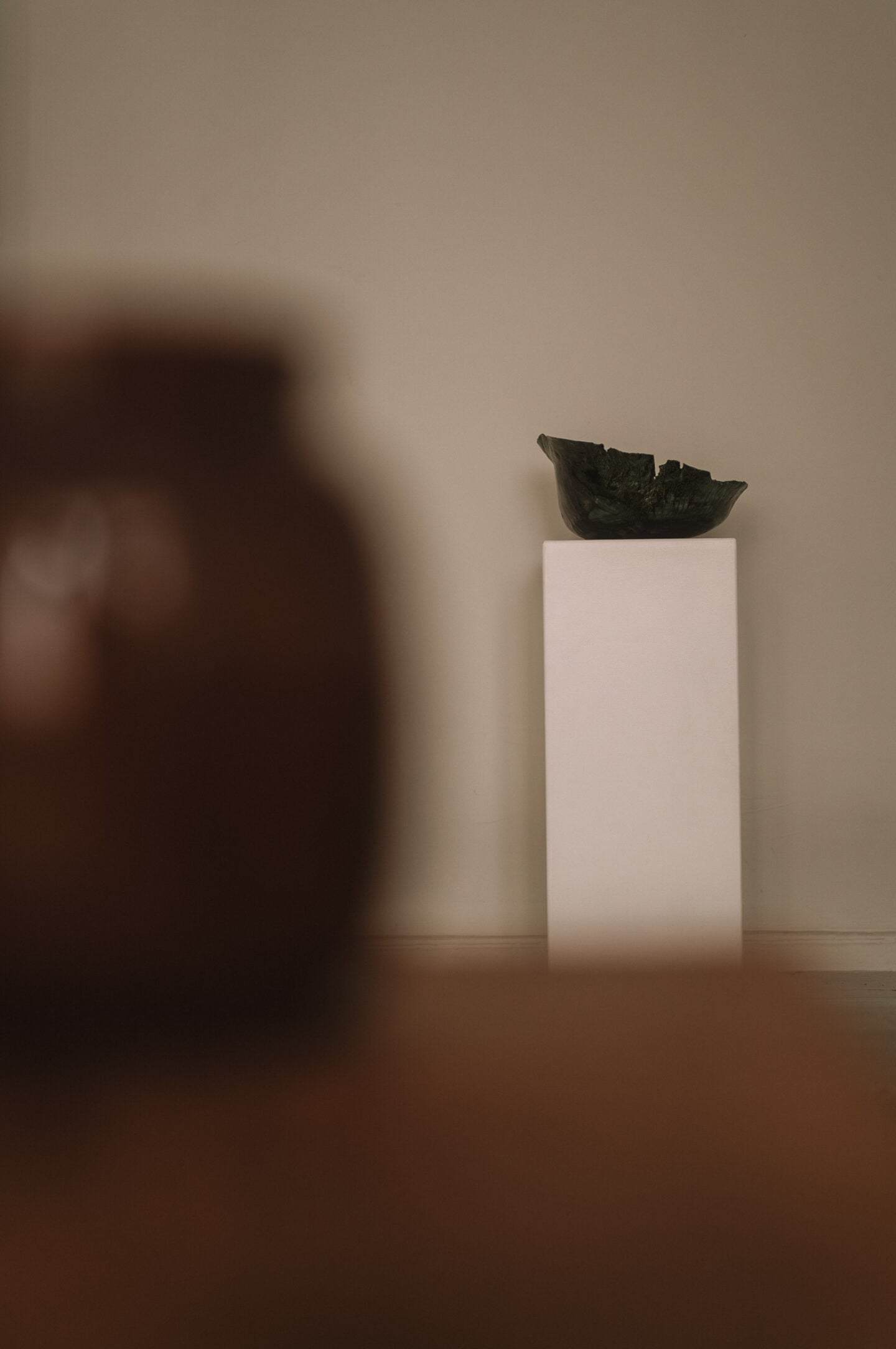
Back in Berlin, settled into her ceramic ambitions, Janovec’s first two years of studio practice were characterized by a wide-ranging experimental spirit. “I was looking for my language,” as she puts it, reflecting how her architectural studies informed her approach to sculpture. “It’s always between looking and making. You make something, you look at it, you pick up one thing, maybe there is a small detail, then I say, okay, hold on—what if I apply it on a bigger scale? That’s how I studied architecture, that iterative, methodical way of making. When you’re designing a floor plan, you don’t just do one. You do several and you understand what each offers.” Though her focus has since shifted to clay and glaze, an iterative method still guides her work. “On the surface, it’s about the glaze—making it seem as if they have always existed, materially speaking. I don’t want there to be artificiality. It should look like nature. People ask, is this wood? Is this metal? And I answer, No, it’s clay. I strive for this ambiguity.”
Archive of Edges
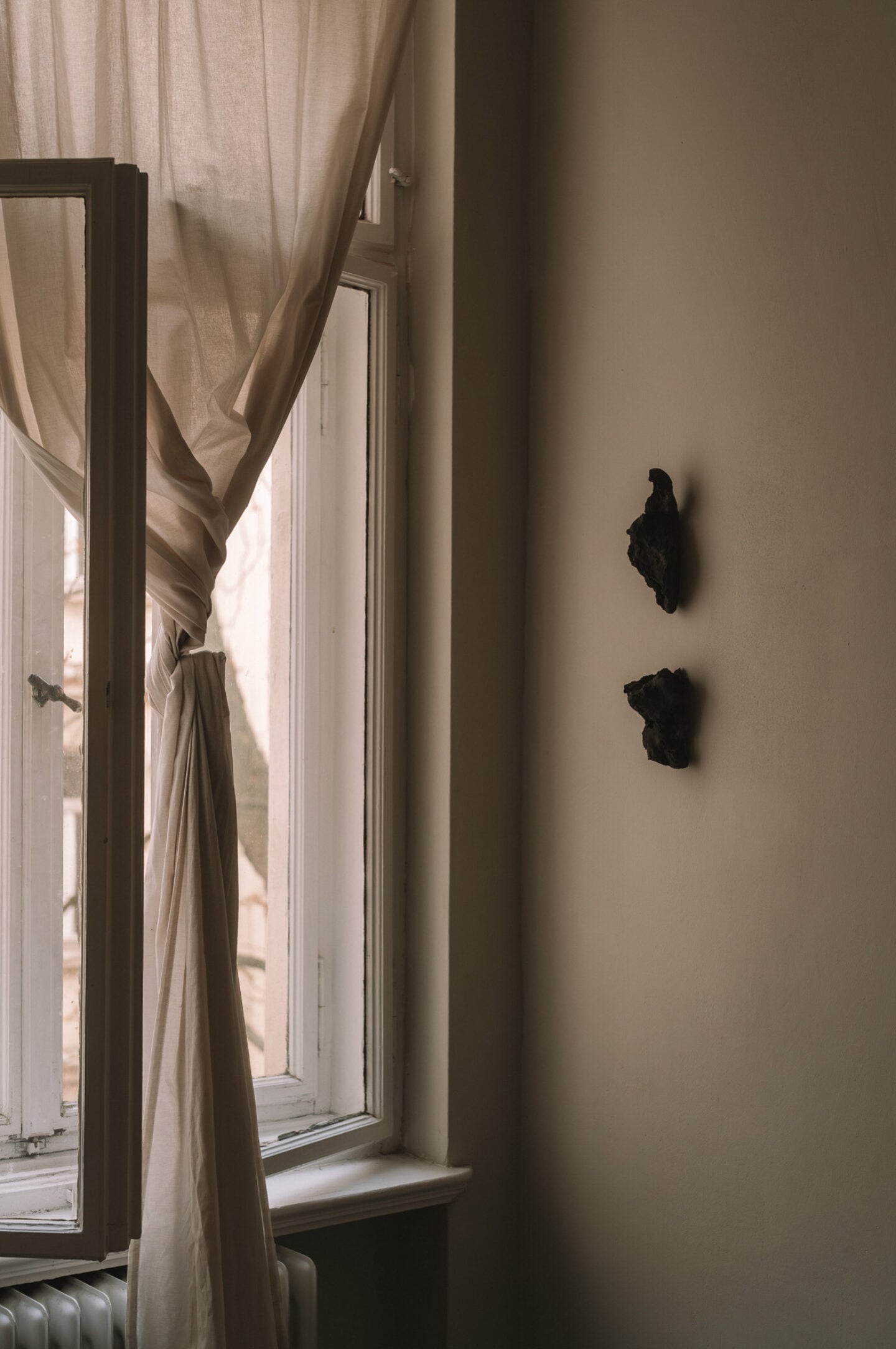
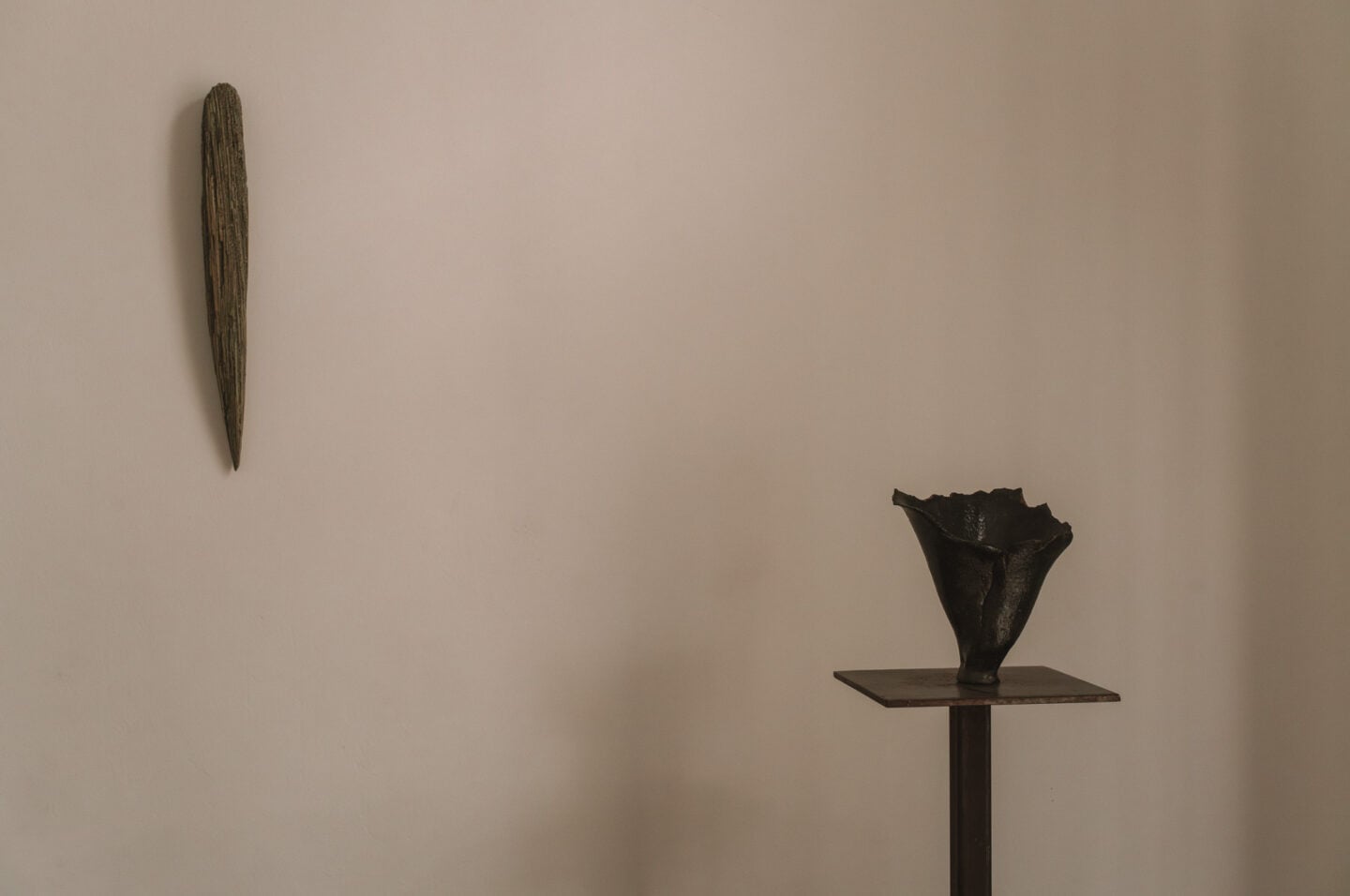
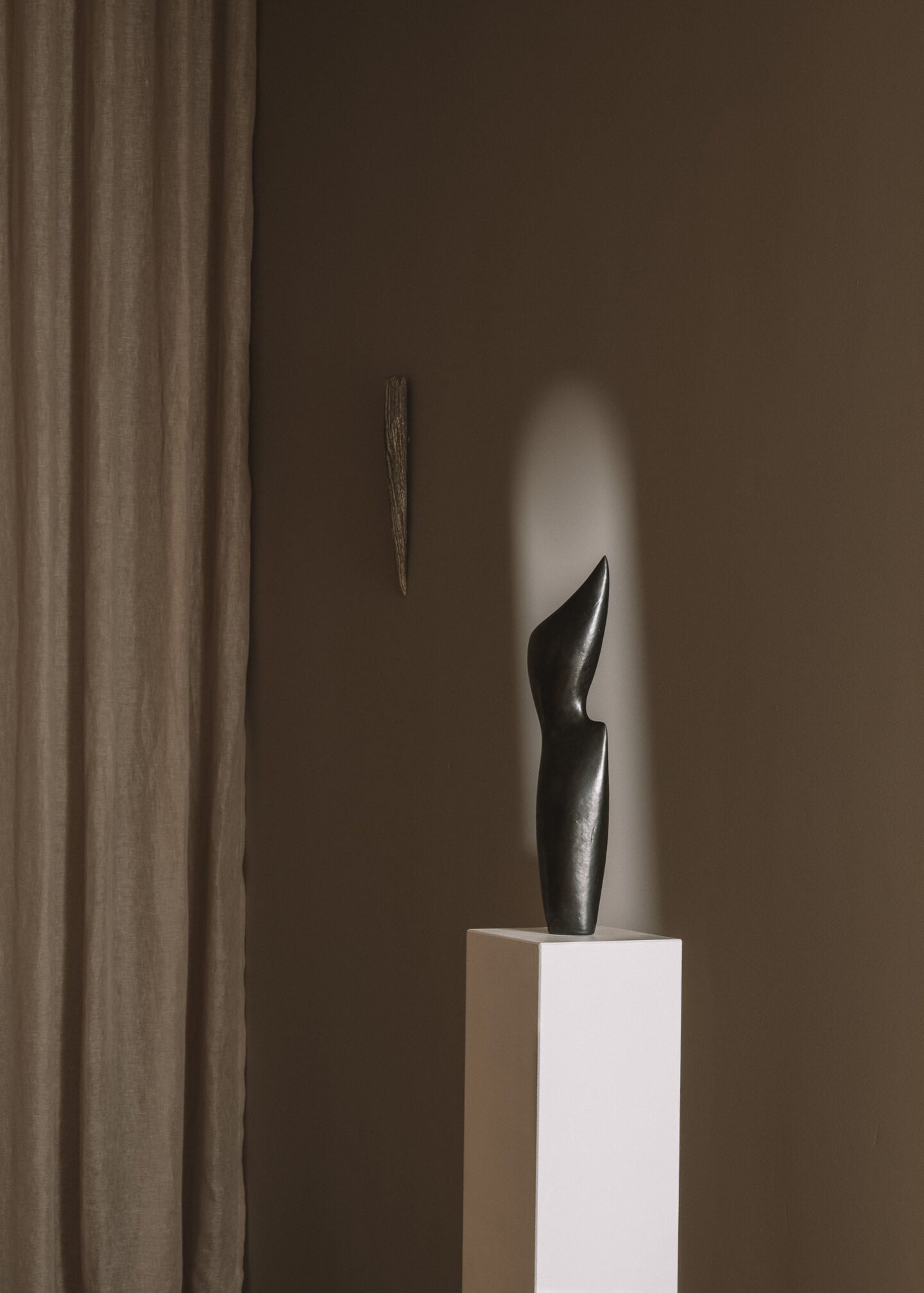
If, she suggests, material is the architect’s primary vocabulary, the sculptor’s is form, which Janovec terms “a representation of an idea; a physical representation of a system, of a concept, of a rule, of a culture. That’s why I love objects. They are non-narrative, but they represent something.” She gestures towards an organic form hanging on the wall of her dining room, rounded smooth on one end and tapered to a dagger point on the other. Soft and sharp in one.
“This is my mother form,” she says, “the mother being the most emblematic of your practice, your signature, your return to the origin.” In sharing its significance, she reveals the essence of her practice, the philosophical and the physical profoundly enmeshed. “I made it by beating clay against a surface, which means the shape is defined by physics. It is the gravitational pull of the material, the G-force, which makes it consequently look very aerodynamic. But the work doesn’t stop there, at composition or geometry. It needs to open up layers of association. The mother form reminds me of a seed, a bud, or a petal of a flower, but also it looks like a tool. It isn’t clear, neither is it literal. It is inviting.”
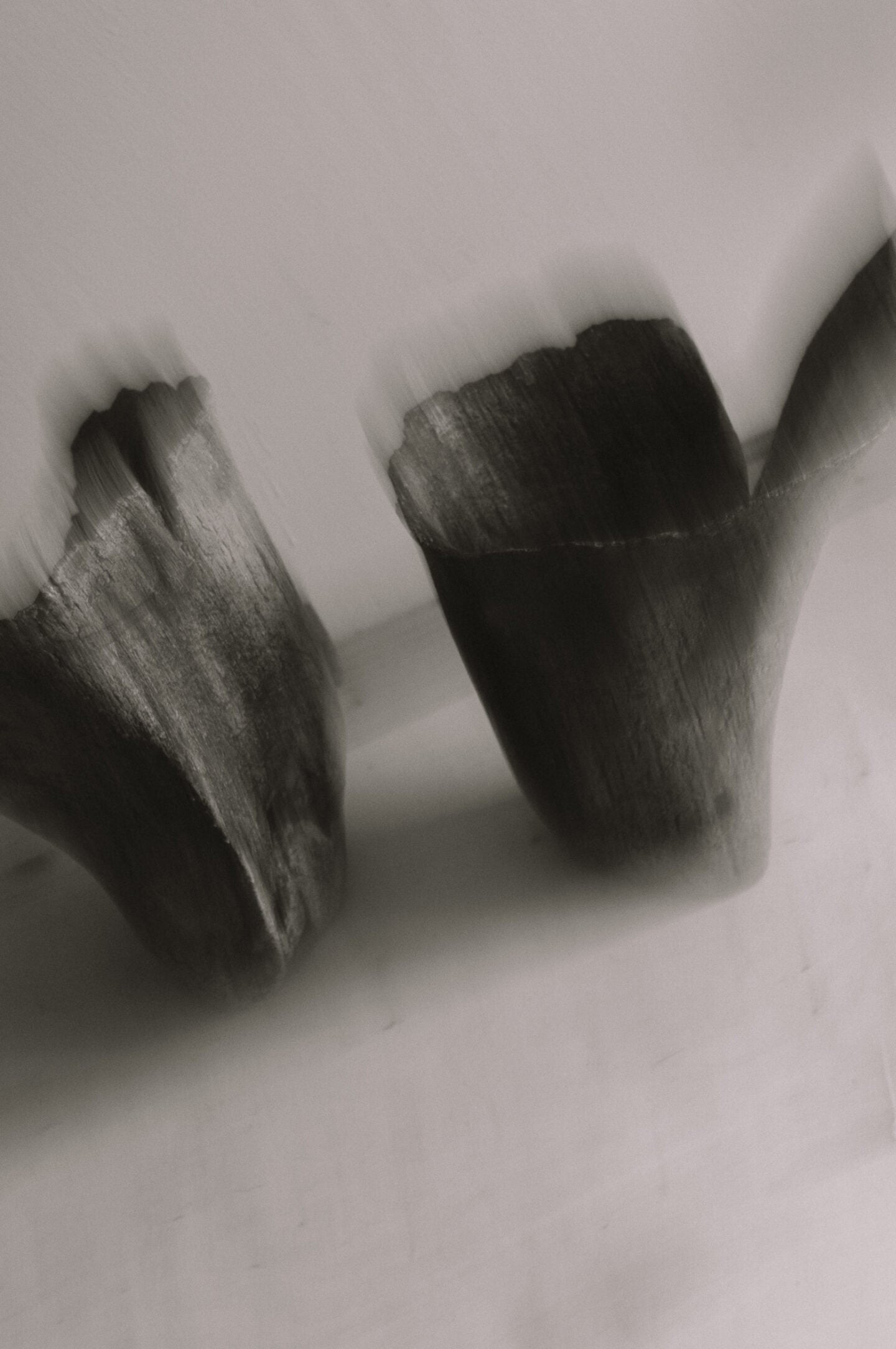
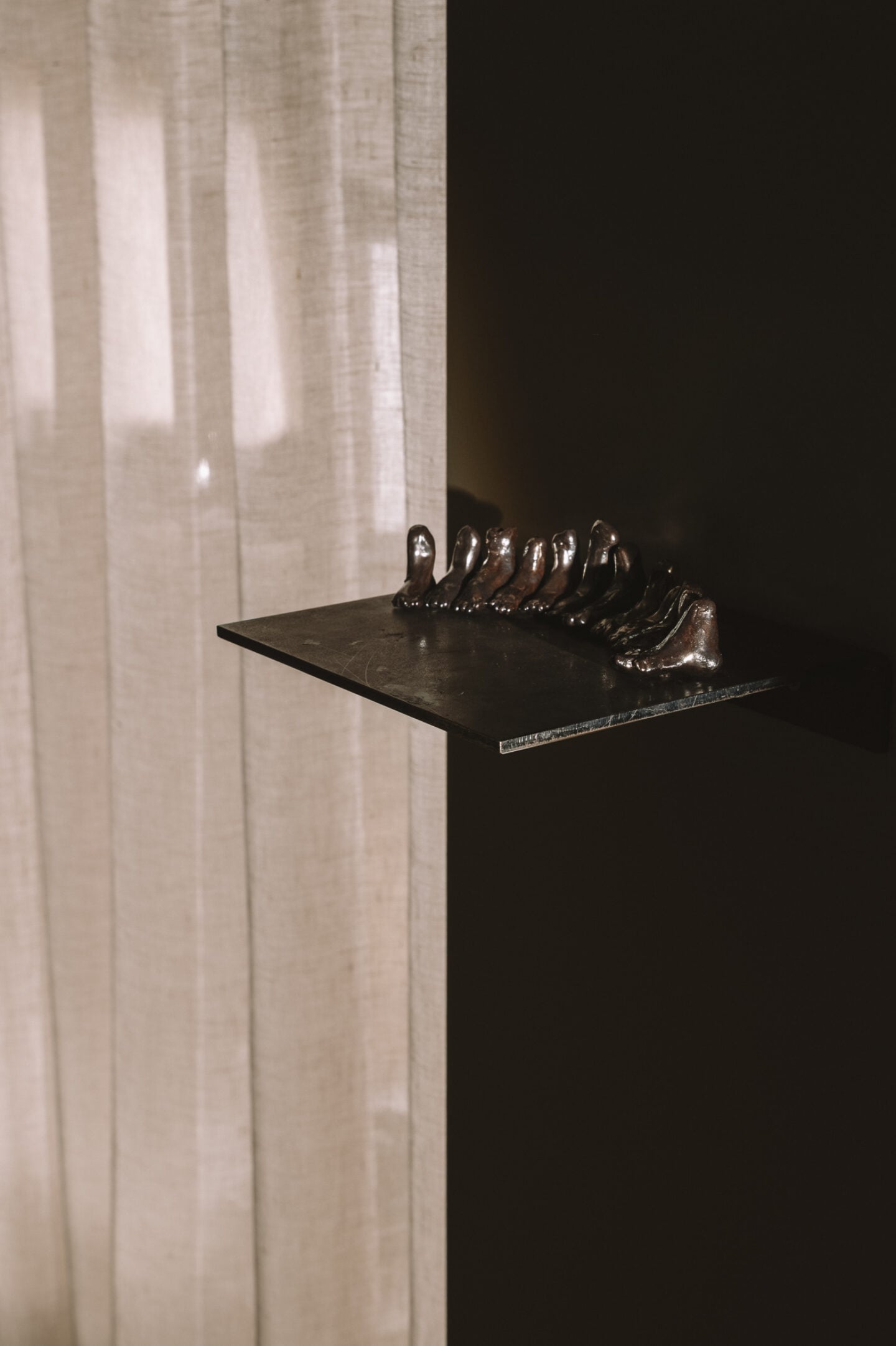
With the mother form or any of her other “modules”, as the basis for her process of repetition, “I will make many, and then I arrange them, and then I refine the quality of the edge.” This notion of the edge is so fundamental to her work that she has termed her practice an “archive of edges.” Janovec defines the edge as “when one thing all of a sudden becomes different. It’s a plane. When you look at it mathematically, there is a change of coordinates. It promises continuation. At the same time, it is a differentiation.” She cites her work The Study of An Edge, a series dedicated solely to its namesake—”a paper-thin one, made by a pull through a slab of clay with a metal wire. A simple repeated gesture, but all of a sudden you have many iterations of the same thing, each slightly different, and together they form a beautiful, coherent whole. I think a lot of creative work is in that fire where you repeat and edit yourself.”
On Repetition
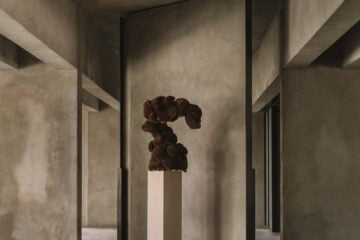
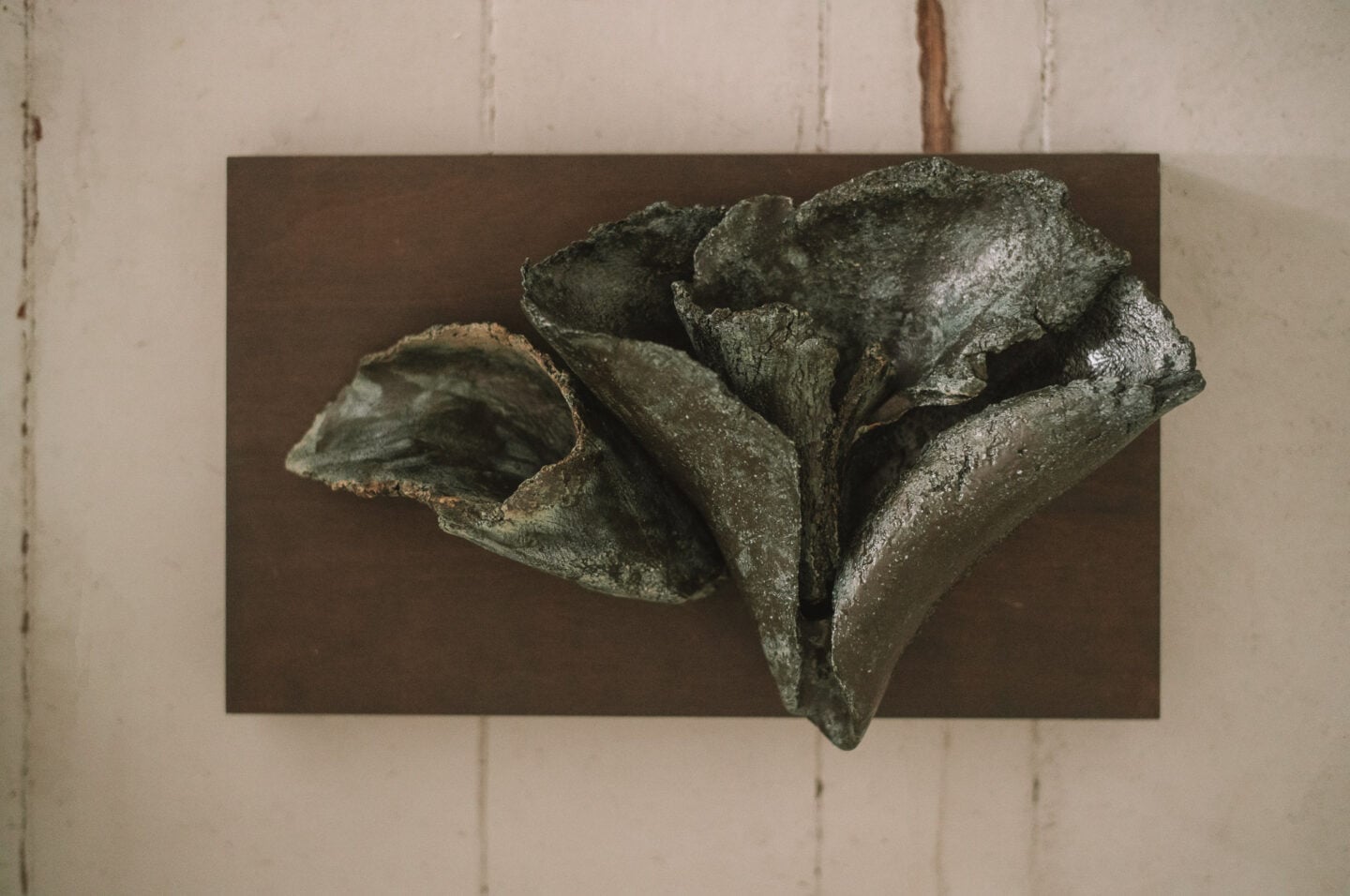
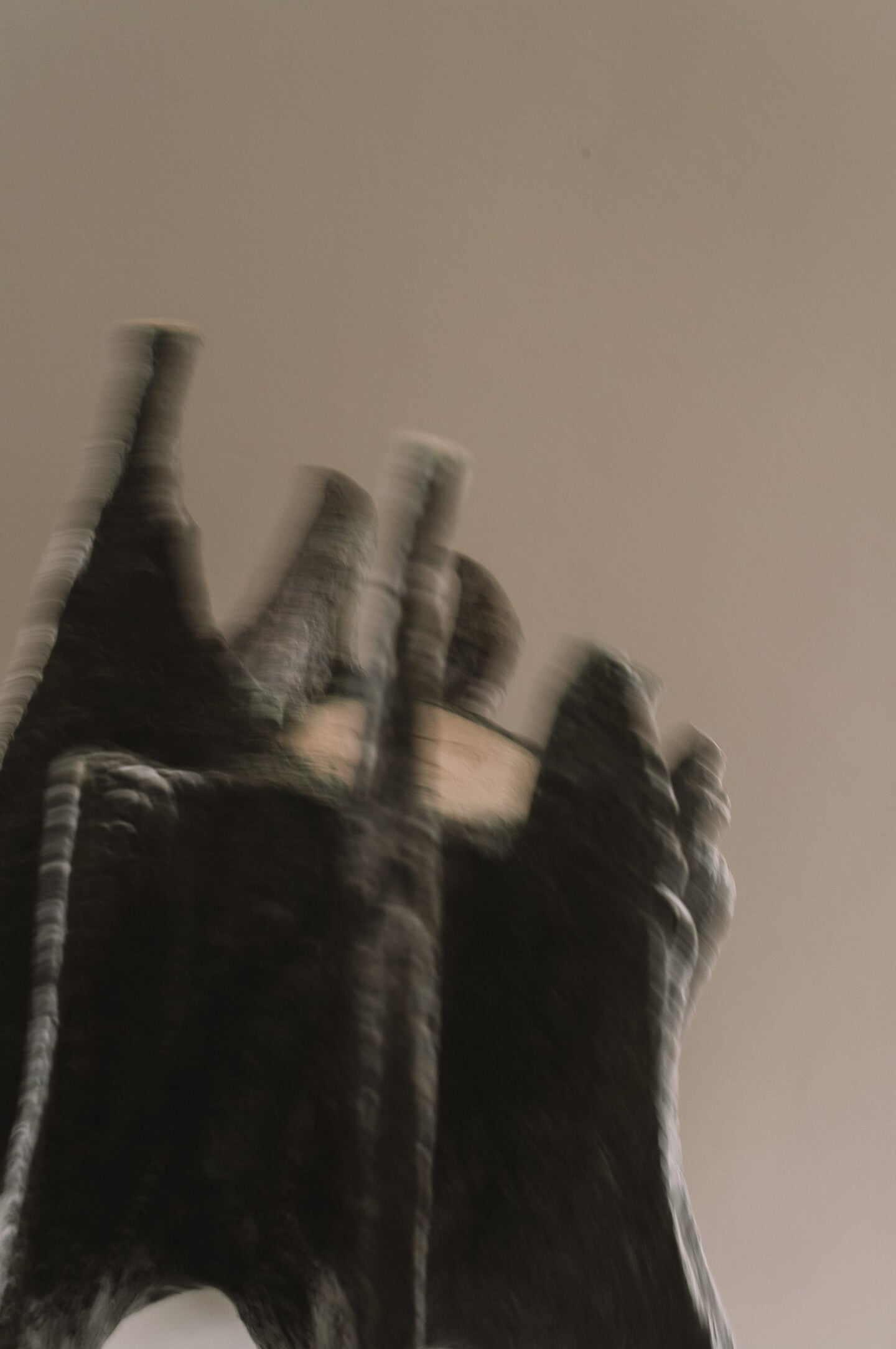
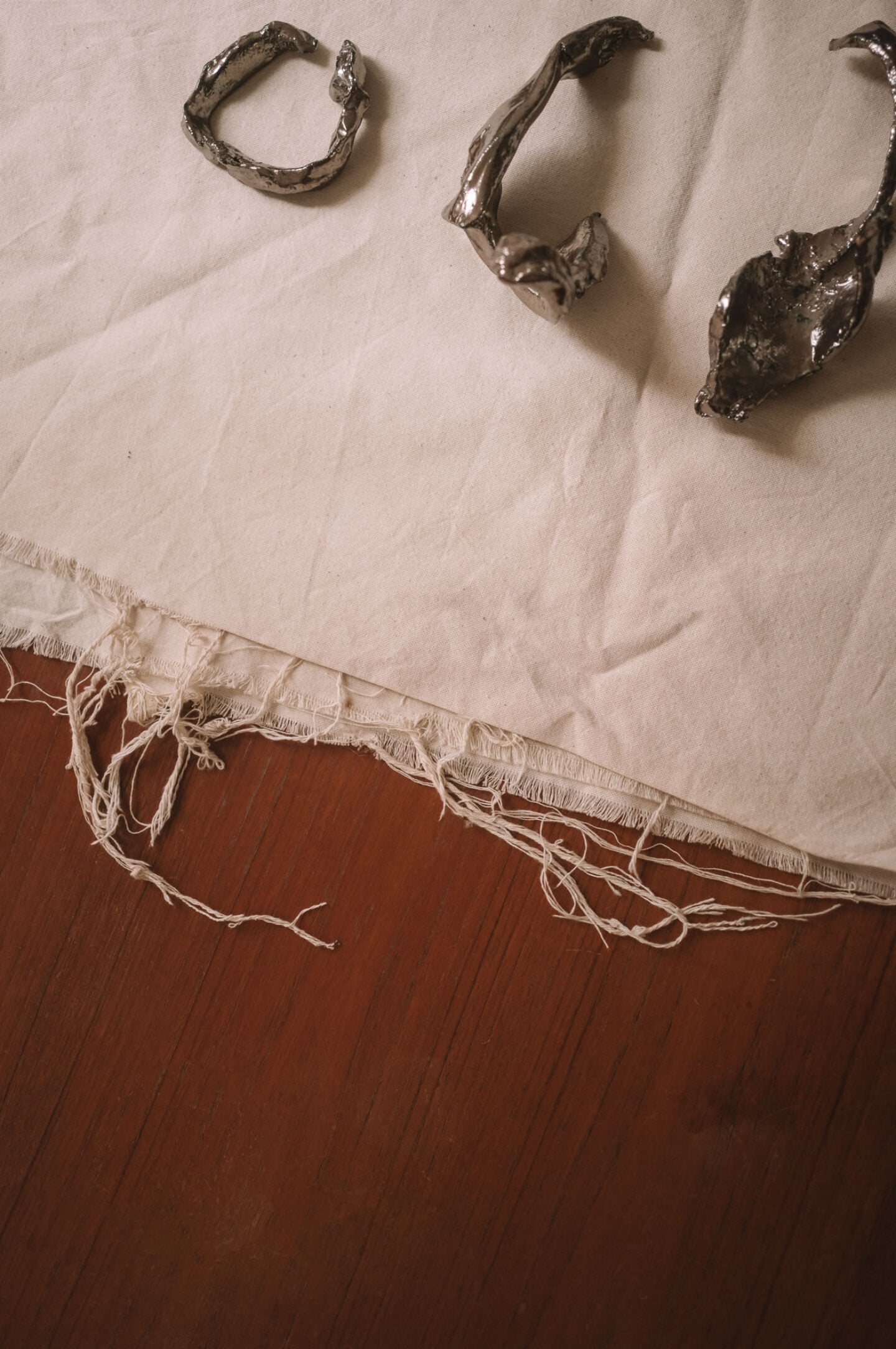
As Janovec’s practice evolves—through studio experimentation and gallery representation by MAJ VAN DER LINDEN in Berlin and Sgr A in Cologne, and an expanding exhibition programme—her devotion to repetition stays constant. “I like doing a thing again and again, working in iteration, because I want to see that subtle variation, that sort of process. You and I repeat ourselves all the time, for good and bad. Sometimes, even if you want to do the same thing over and over, you cannot. There will be a slight difference, and that is what interests me. There is a repetition that leads to sameness, and there is repetition that leads to change. I find that extremely poetic.” Perhaps the most striking embodiment of repetition leading to change is the Winged series, an ongoing body of glazed ceramic works resembling amorphous, concertinaed creatures poised for flight, caught in the tension between their solidity and levity. “I know I’m always returning to the same gesture or modelling principle, but the works still end up looking so different,” she reflects. “They have another emotional charge.”
The differences—some read as more anatomical, others more botanical—come down to nuances of proportionality: of the wing to the body, or the length of the feet. “Clay is such a particular material,” she reflects. “It reacts to your mood. Sometimes it’s just me coming to the studio and being slightly sad or slightly impatient, and that translates.” She describes her process as a responsive choreography between looking and doing. “I do one wing, I realize its quality, I adjust properties in the moment.” However nuanced the finished sculptures, each starts with the simple form of a vessel—a recurring motif in her work, ” She avoids the word ‘vase’, wary of clay’s longstanding feminization and domestication. Yet, she acknowledges, “there is nothing more beautiful than a vessel; than to contain something.”
Somewhere in the process of containment, she continues, “that vessel stops being a vessel. It is a sort of cavity. I always want my work to have a hole, because the hole implies an inner space and inner life. I want things to have an inside. I have some solid sculptures, but most of the time there will be an indication of getting in. It is like us. We are vessels, we are containers, we contain stories. A cave is interesting to us because we do not know what is there, but the space is implied.” At the height and angle she presents her Winged works, the cavity within the vessel initially stays out of view, revealing itself “only when you come close.” She cites the late Irish poet and philosopher John O’Donohue as a formative influence. In the context of his writing on inner landscapes, she says, “he mentions that there is a place in each of us where you have never been wounded. For me, that is the cavity, symbolically.”
A Theory of Beauty
A current between intuition and intellect has reached an inflection point for Janovec recently. Concepts are crystallizing, bringing sharper understanding of the symbolism and significance of a process she describes as subconscious. One is a theory of beauty—a topic many artists consider taboo. Approaching it as a philosophical question beyond surface associations, Janovec embraces it wholeheartedly. “For me to encounter beauty daily is non-negotiable. Sculpture until this point has been me paying attention to what I find beautiful, borrowing it and translating it. I want to do something beautiful because I believe beauty is healing. I think beauty is essential in knowing who we are. Beauty as in love for this life. Defining my narrative of beauty served me until now and it always will be part of me. It helped me to find out my visual language, my aesthetic language,” she says. “I’m ready to ask myself more pointed questions. Now I want to dive deep into the symbolism and subtext of it.”
Just as the cavity of Janovec’s Winged works is concealed at first, her references remain encoded, inviting viewers to form their own. “If you want to work with symbolism, things need to be reduced. You need to come to a certain essence of a thing, and that allows everyone to project their own associations onto it,” she notes. “If someone tells me, this reminds me of this, and another person says it reminds me of that, that is exactly what I want to achieve. Whatever this sculpture on the wall reminds you of is a far more valuable definition than mine. Whatever you project onto it, that is what I describe as you meeting beauty, if it speaks to you. It taps into your memories, your associations, your idea of nature, past and future.”
For Janovec, beauty is the lens through which meaning emerges from what many might see as mundane. That includes weightlifting, a practice she has followed for many years and calls “one of the strongest pillars” of her life. “It’s repetition—simple, but also beautiful and meditative.” Returning to the question from Acker’s essay that opened this feature, the analogy between life and art comes full circle. Acker compares bodybuilding to meditation, she notes, reducing it to “breathing and counting over and again. By doing that, you change your body. And the fastest way for you to change your body with weightlifting is through failure. You have to rupture your muscles so they can heal. That’s a beautiful concept. I like broken things, things with a lot of fractures and cracks. You don’t know if they are healing or falling apart. These are the cycles of life; cycles of bloom.”
Images © Clemens Poloczek | Text: Anna Dorothea Ker