Design Beyond Form: At Home with Tomás Fernandes and Natasza Grzeskiewicz of Further Ther
- Name
- Further Ther
- Images
- Clemens Poloczek
- Words
- Rosie Flanagan
The historic street of São Bento climbs steadily through the city of Lisbon. Here, above the cobblestone pavement and amidst the windows of antique stores and vintage dealers, you’ll find Further Ther—a protean space that is the studio, showroom and home of designers Tomás Fernandes and Natasza Grzeskiewicz.
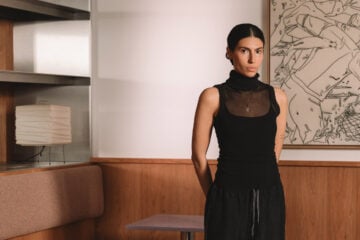
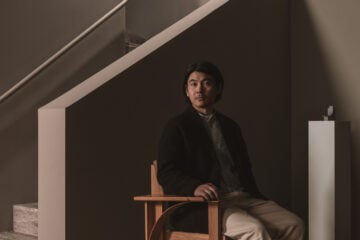
The partners in love and design met at Domaine de Boisbuchet—a unique cultural project set in a château and its surrounding woodlands in the south of France. Since the nineties, architects and designers from around the world have spent their summers here giving workshops to like-minded creatives. It was an experience that they say shaped both their practice and their partnership. “When we met, we found we were in sync,” Tomás tells me. “Despite the fact that we come from opposite ends of Europe [Portugal and Poland] and have different backgrounds [engineering and fine arts], we realised that we shared an aesthetic vision and understood almost immediately how we could work together.”
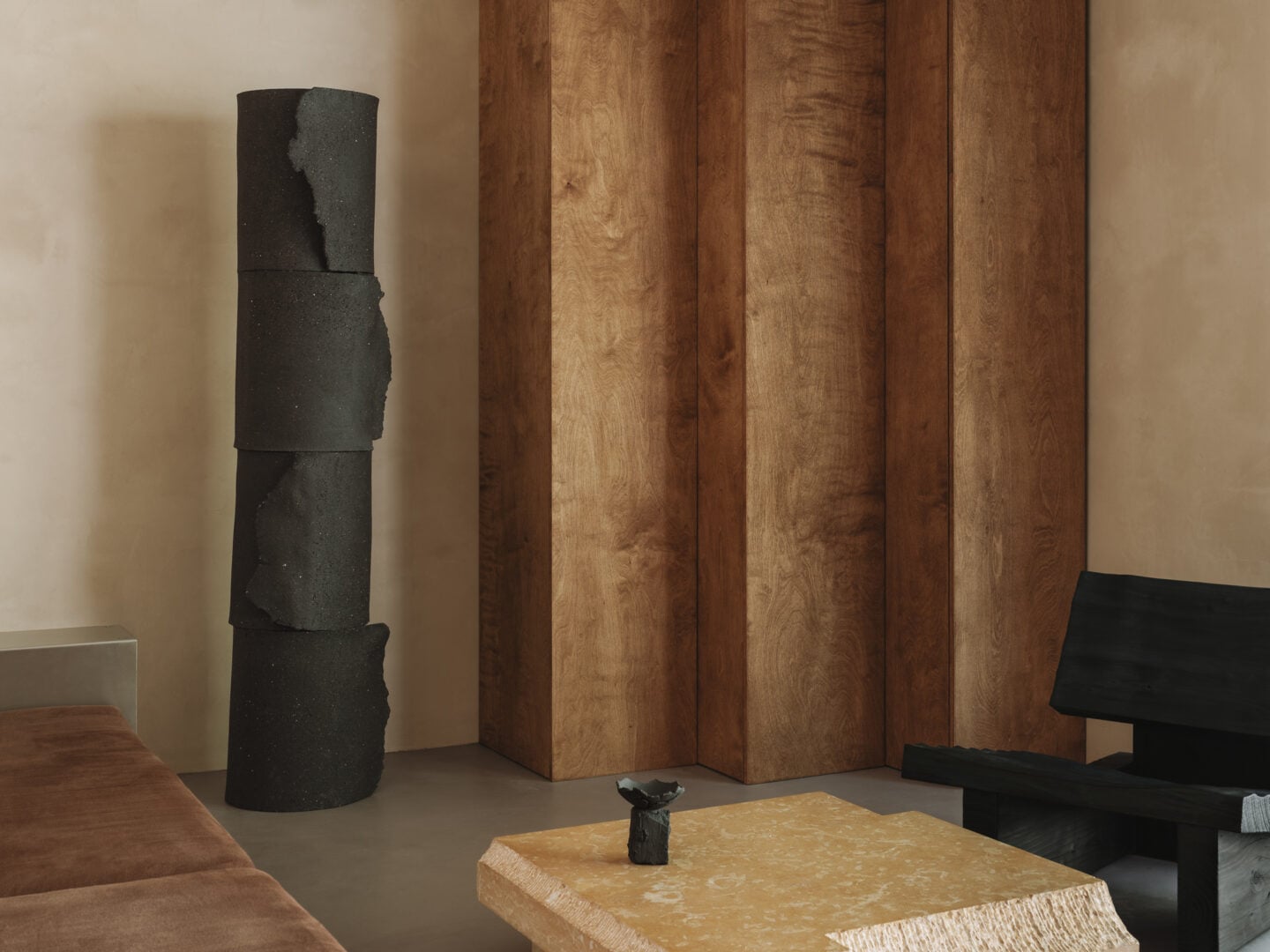
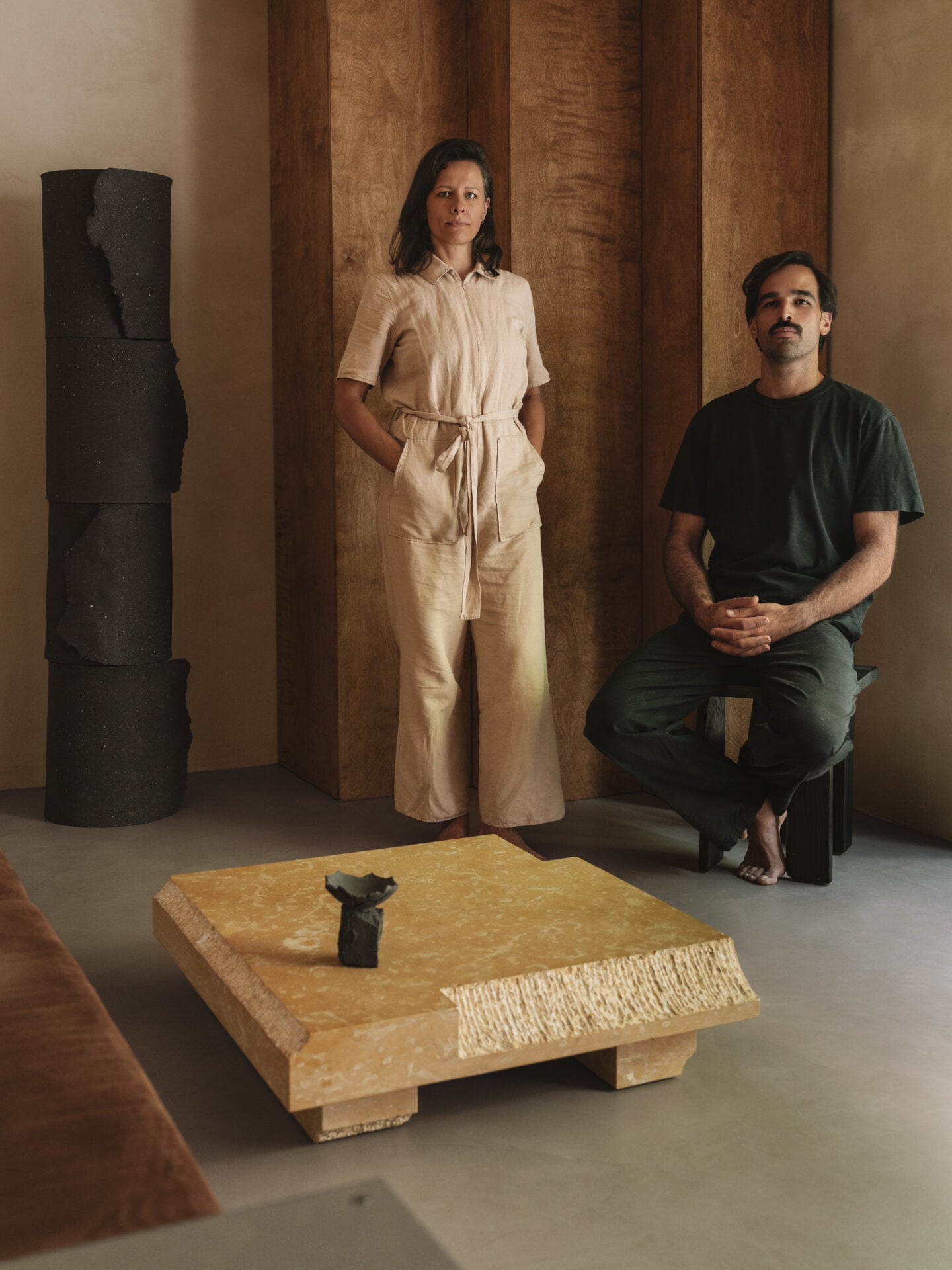
"Stone has been used here for many many years, so we felt very drawn to work with it and its craftspeople."
After France, their interest in Scandinavian design took them to Norway, where they spent three years in the coastal city of Stavanger working in their respective fields—Tomás crafting furniture and Natasza making bespoke ceramics and tableware. Though employed by different studios, synchronicity struck and they found themselves working on the same project: a restaurant. It was a lightbulb moment, Tomás says: “That’s when we realised we had the tools we needed to set up an atelier of our own.” And so their next adventure together began.
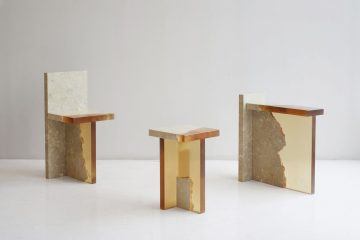
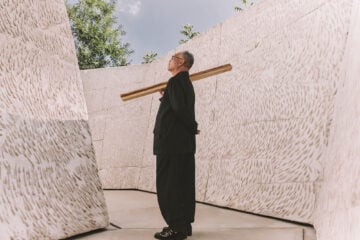
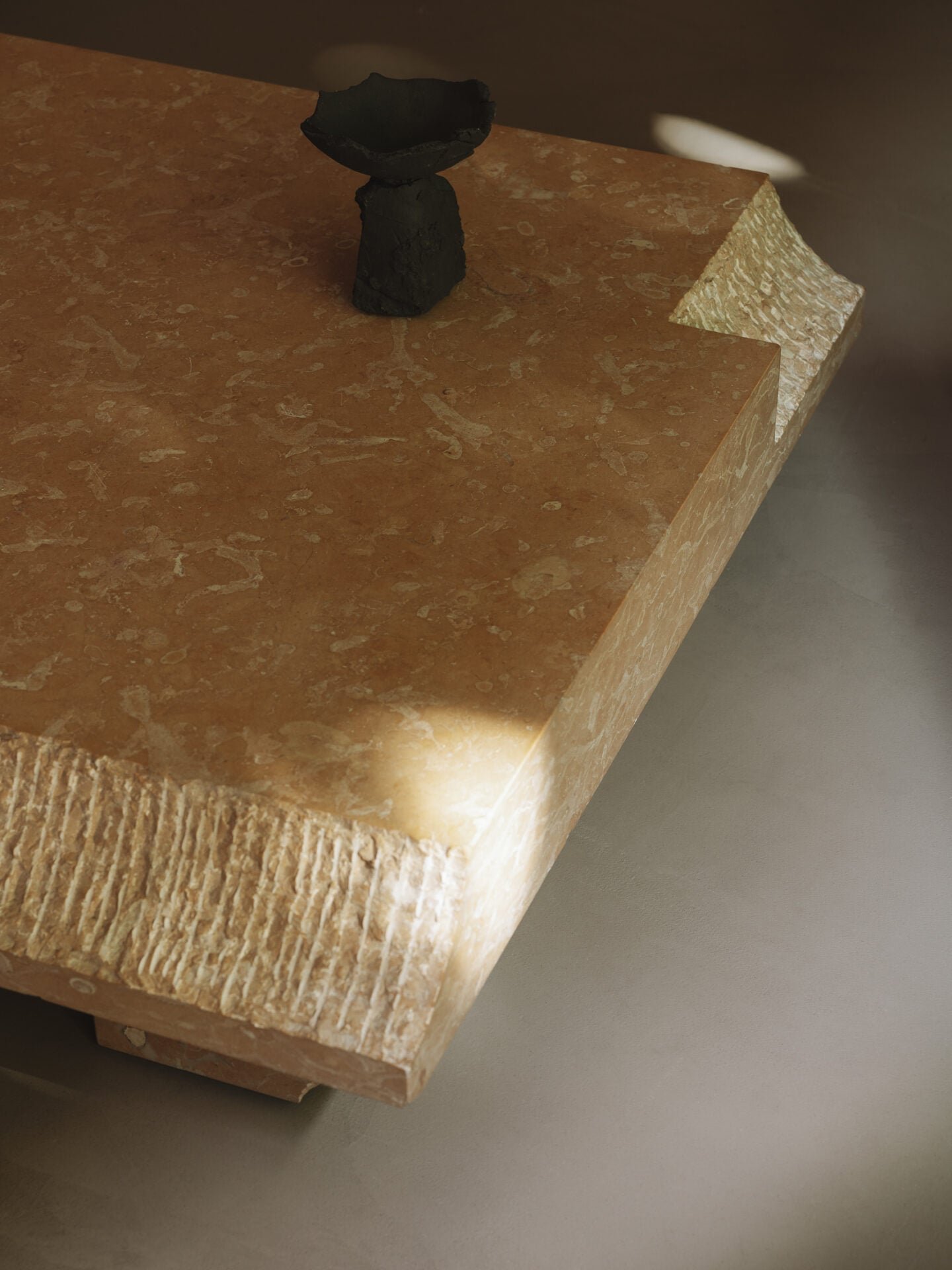
They ventured south to Tomás’ homeland, and in Lisbon they began Further Ther—a design studio specialising in collectible objects, furniture and interiors. Portugal offered them something that Norway had not: access to small-scale production, bespoke manufacturing and a wealth of new materials. “Because of the scale of the industry here, there is absolutely no problem creating one-off objects with a manufacturer, so it’s far easier to have a custom approach to your work,” explains Natasza. “Within 20 kilometres of Lisbon we have three types of limestone, one type of granite, one type of basalt,” continues Tomás. “Stone has been used here for many many years, so we felt very drawn to work with it and its craftspeople.”
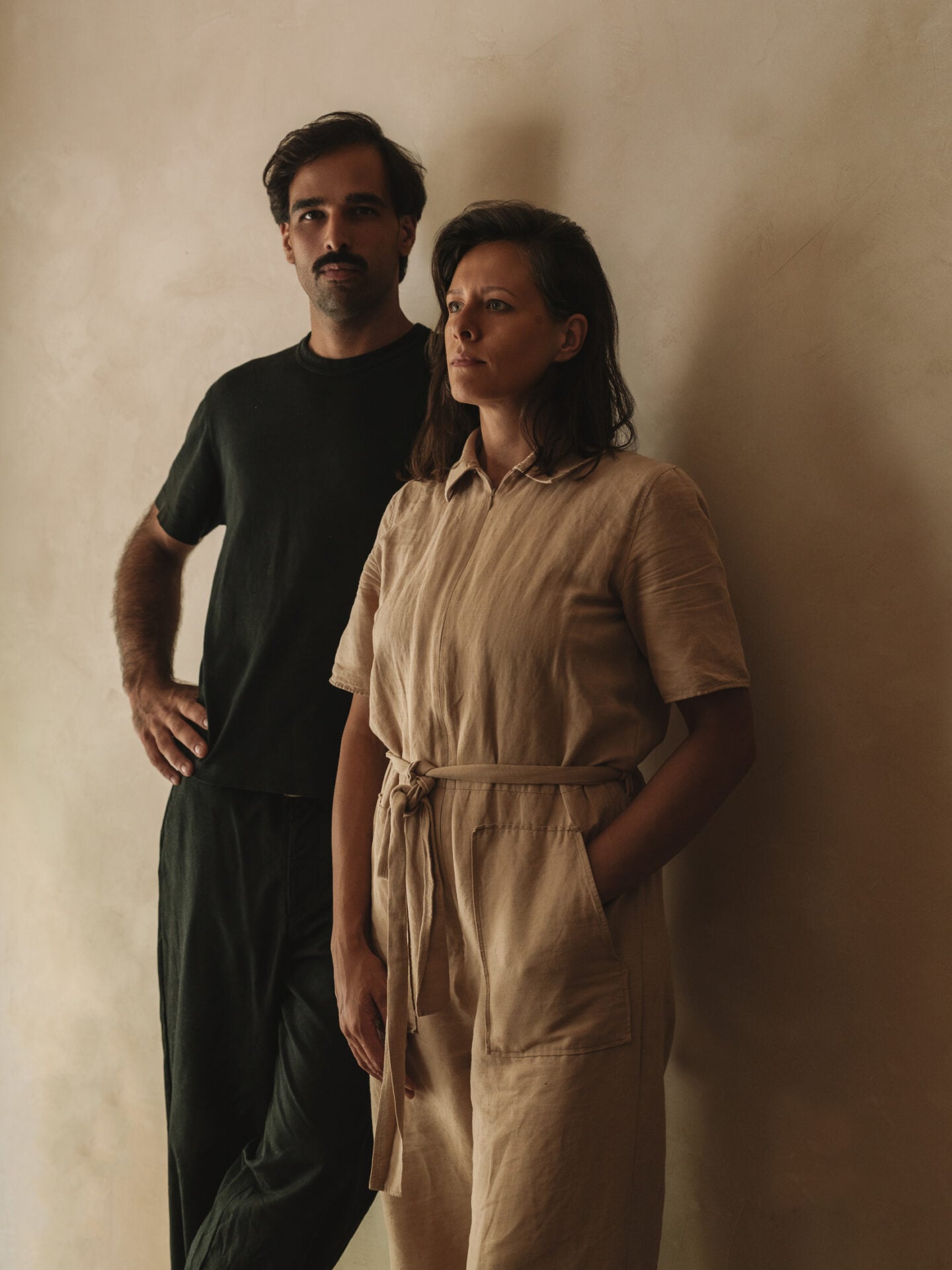
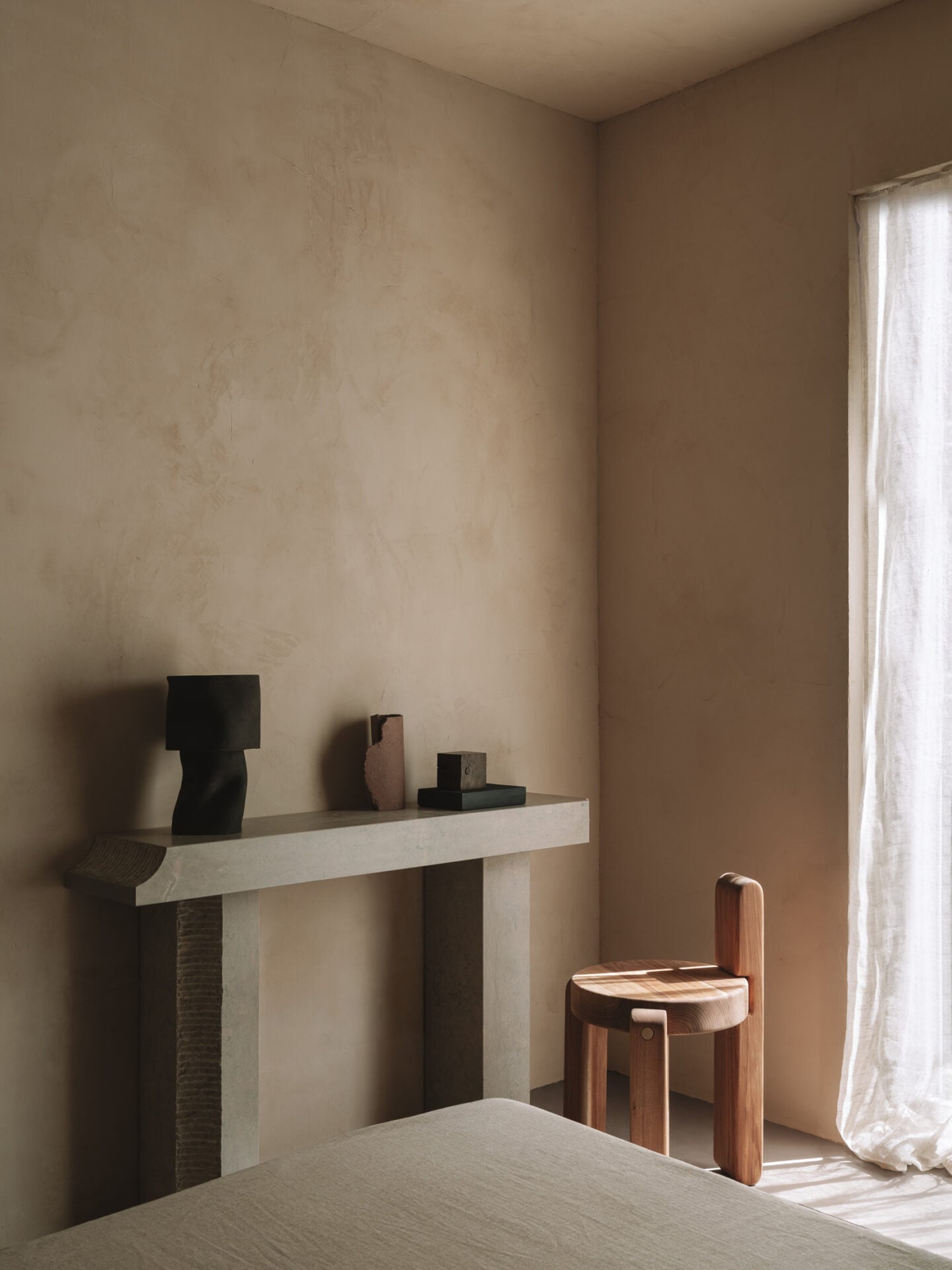
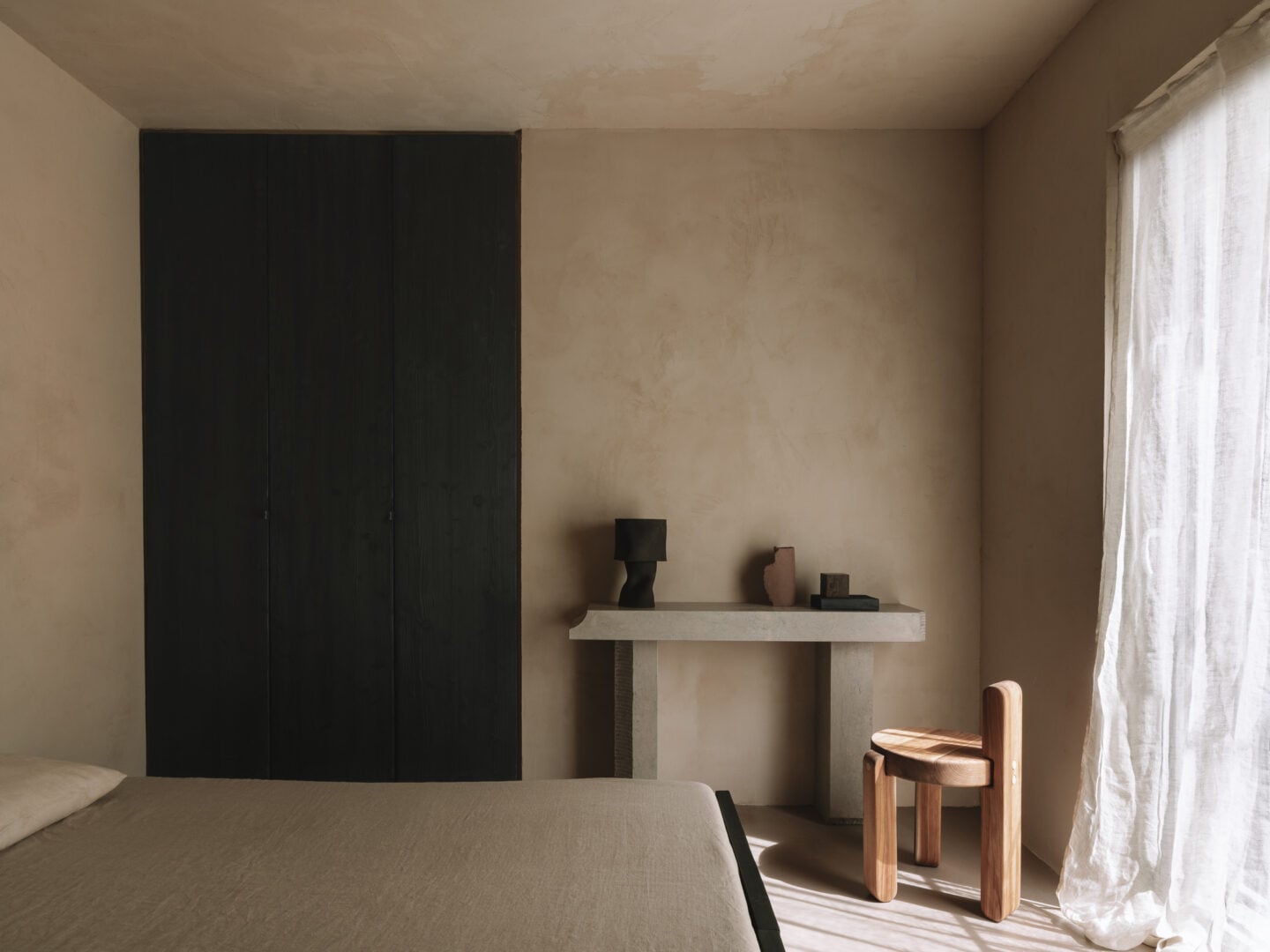
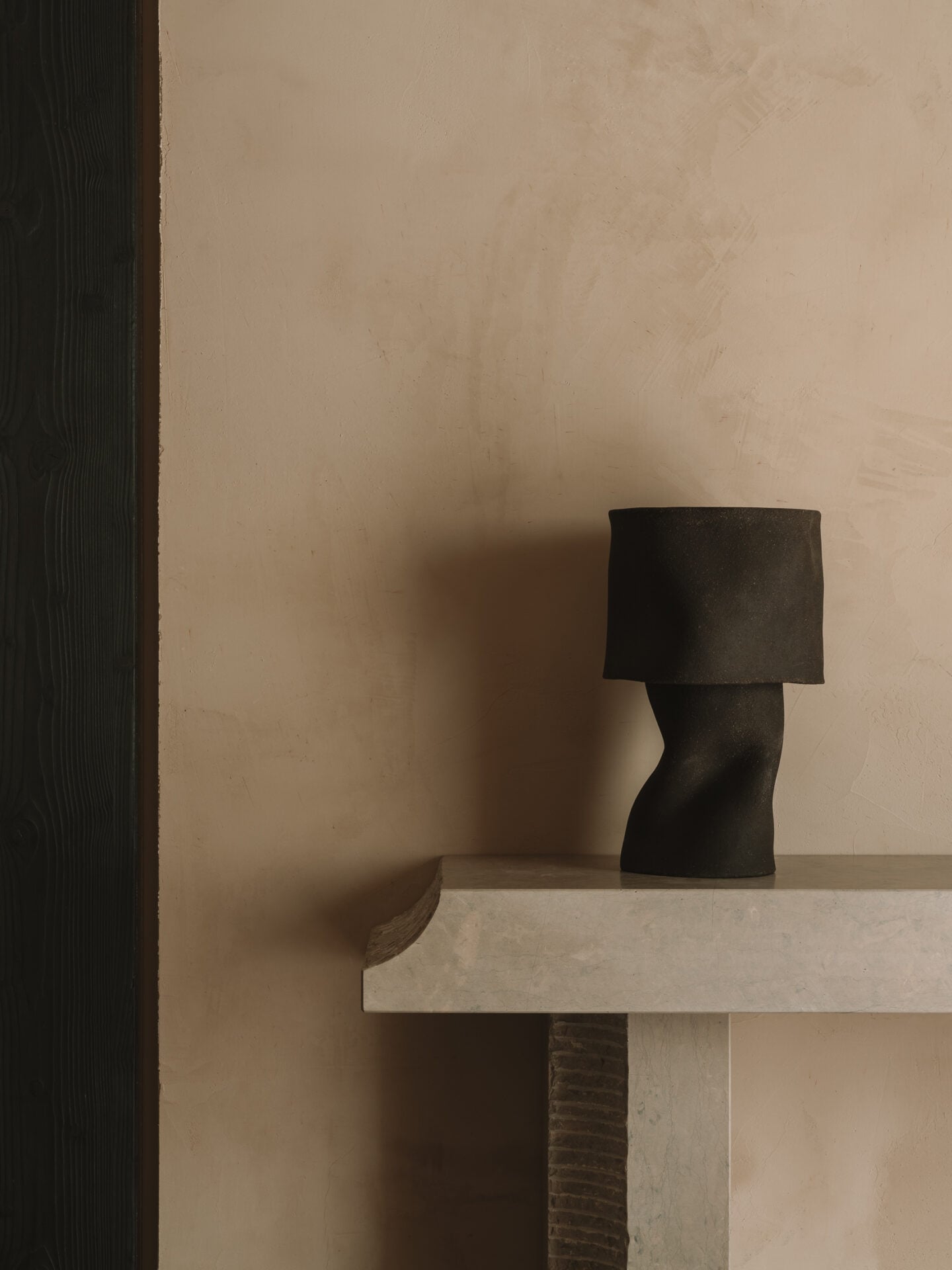
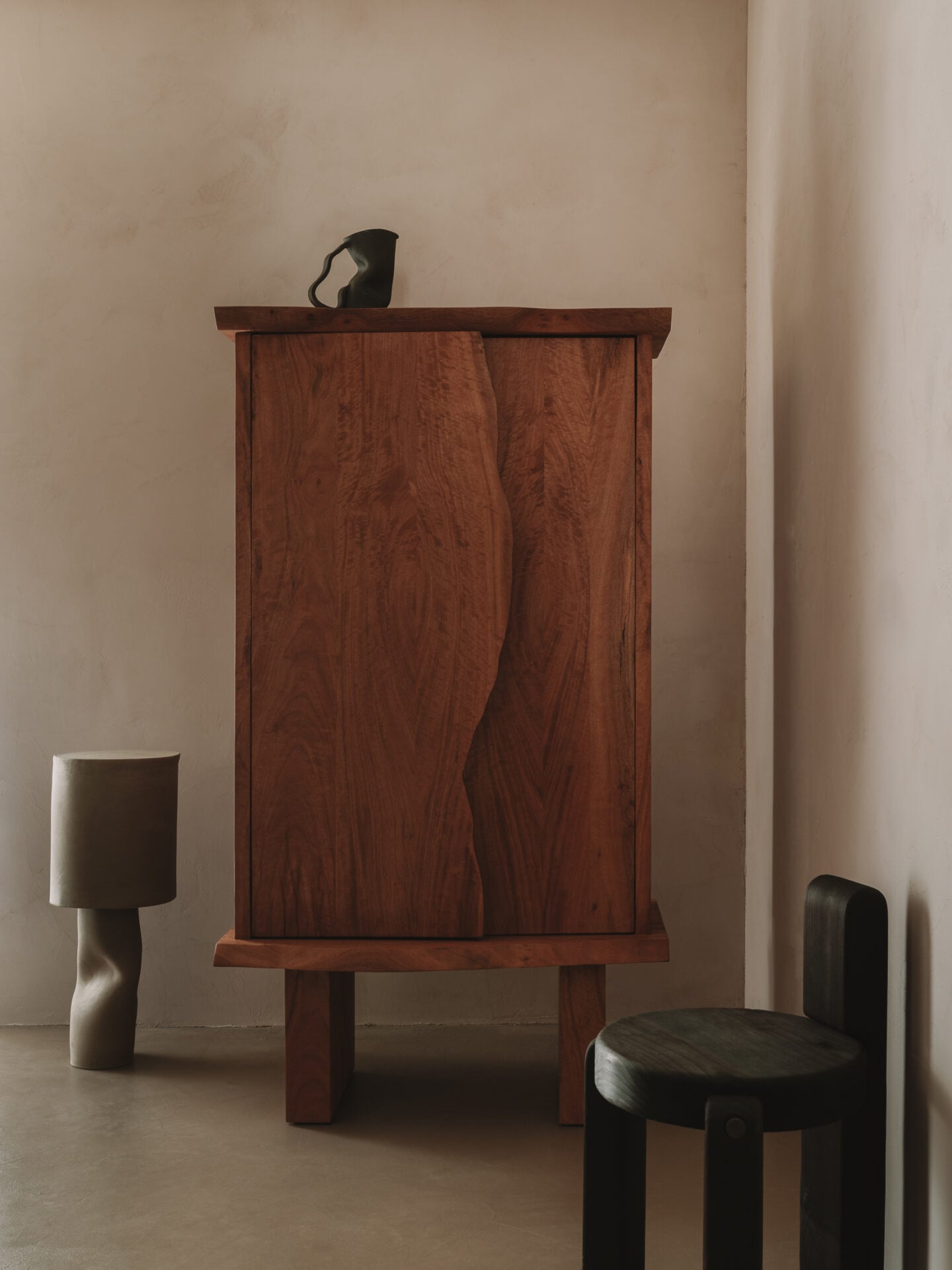
They describe the relationships they have with local craftspeople and suppliers as a kind of creative kinship. “In Portugal, workmanship comes with friendship that is almost like family in a sense,” says Tomás. “We call our stone supplier our ‘father of stone.’ He’s taught us everything we know. He tells us what we should do, and then we sort of challenge him in return. It’s been a beautiful journey, and we’ve done so many projects that would never have been possible without him. Like Natasza said, the industry is very small and very personal. It’s all based on trust. If you have a problem or an idea on a Sunday morning, you can call them and they will pick up.”
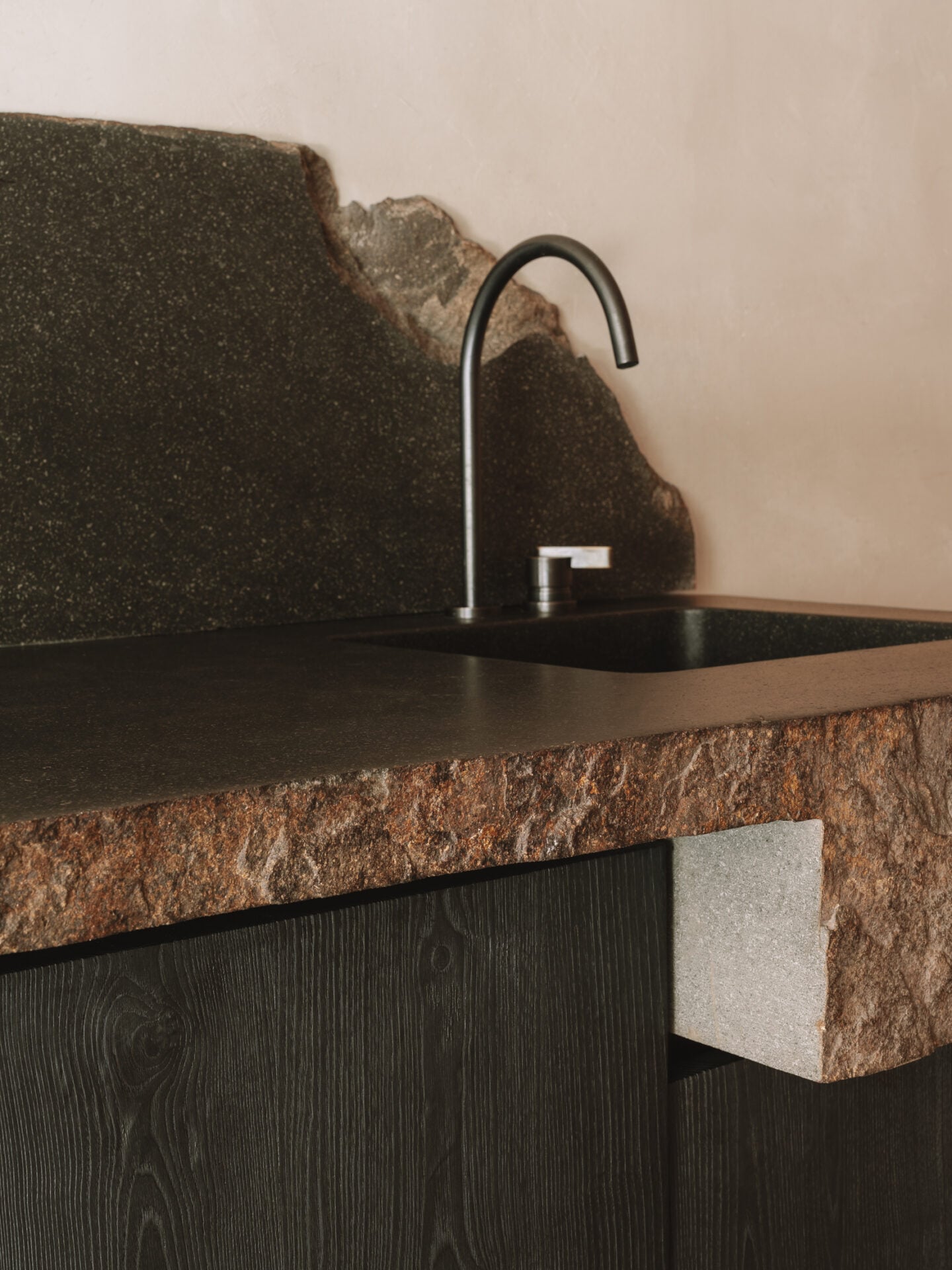
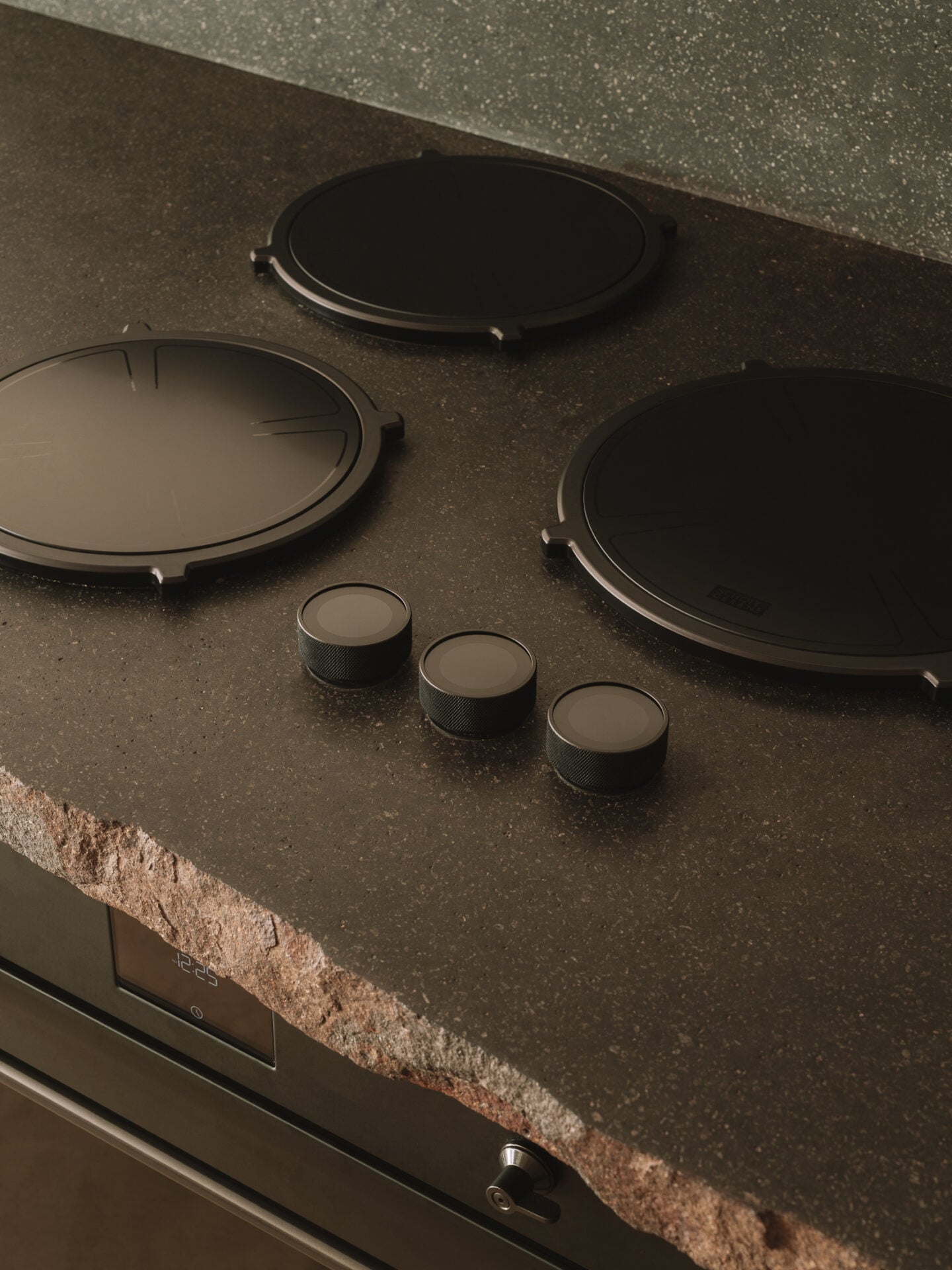
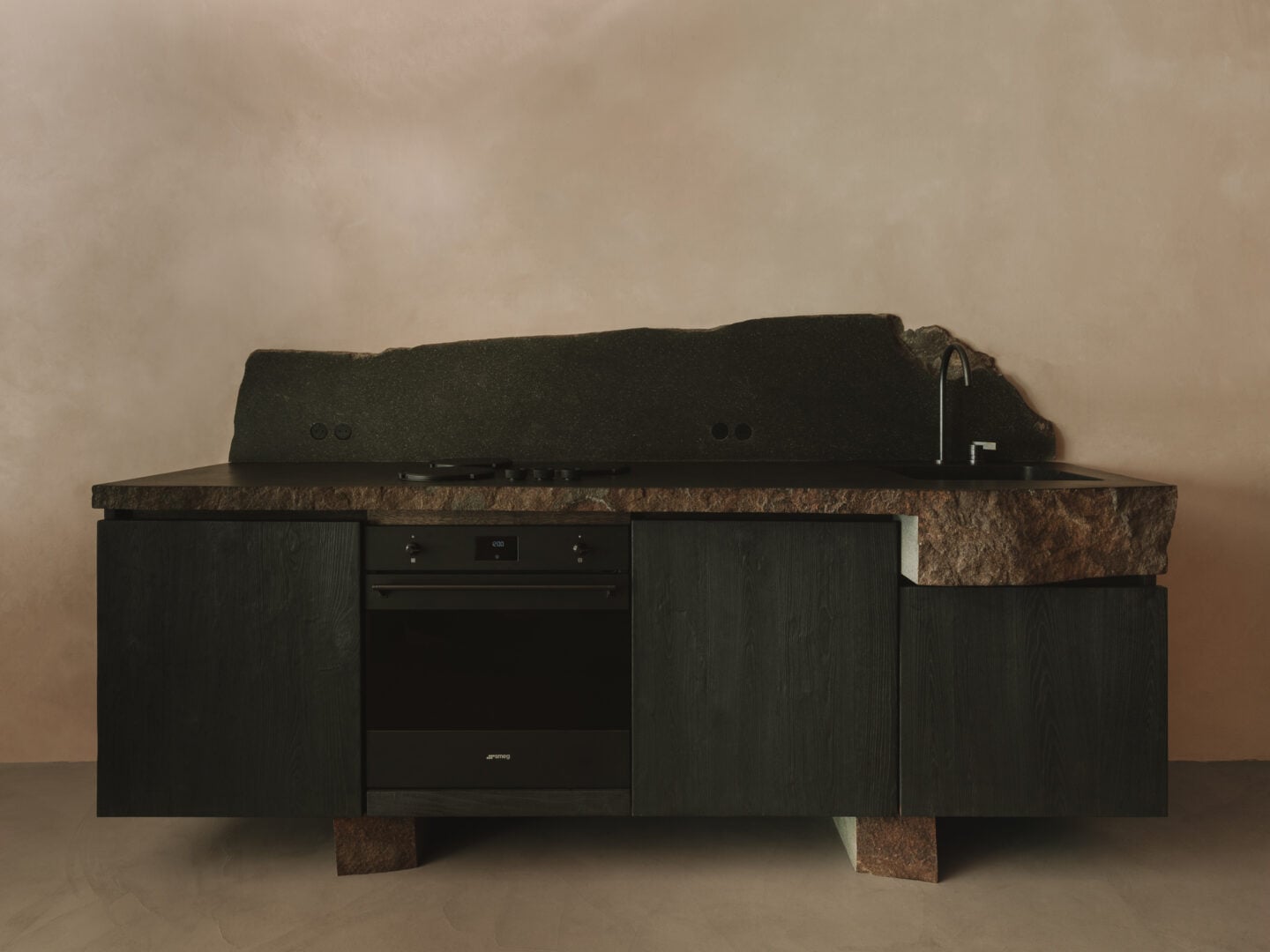
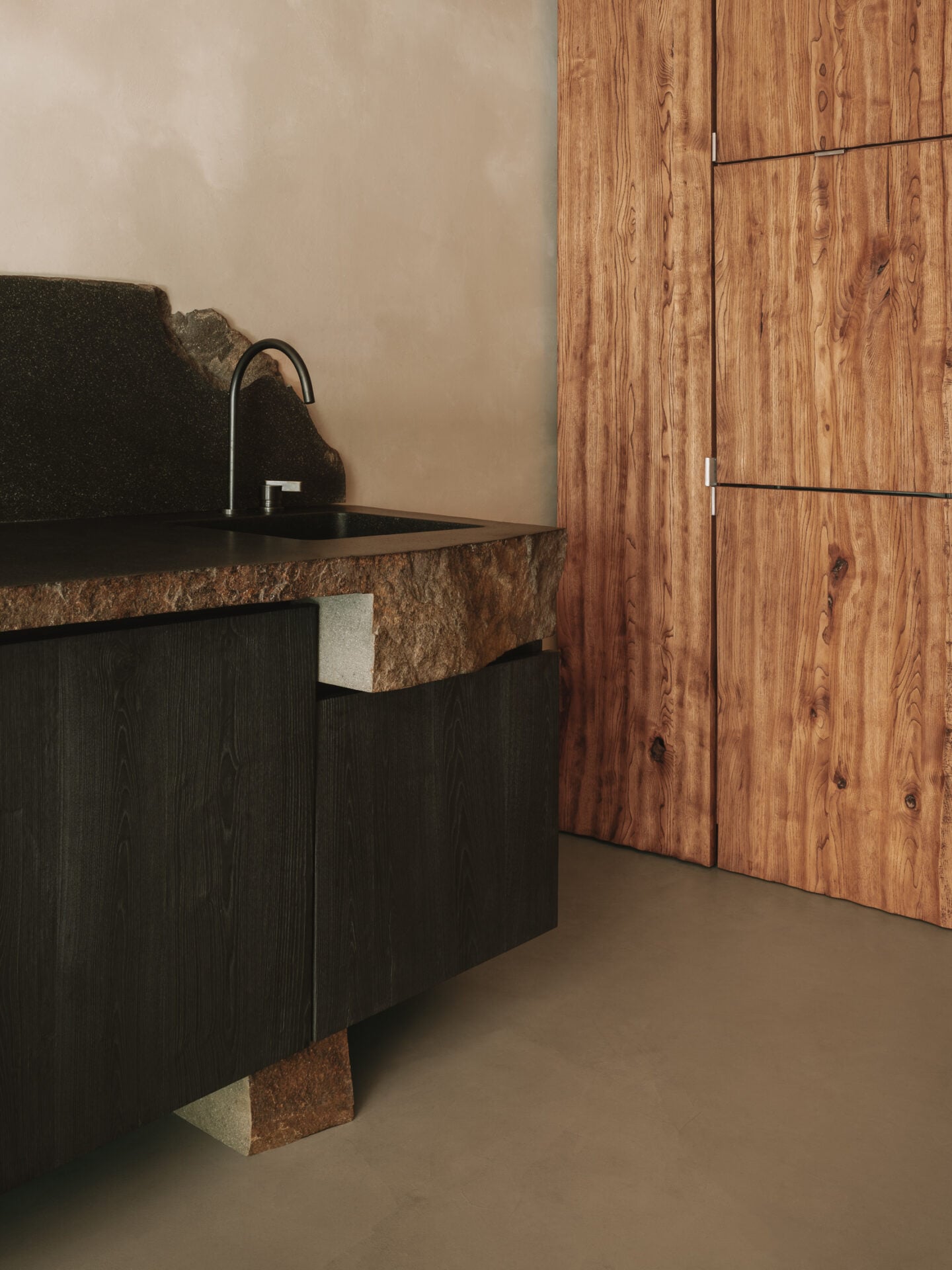
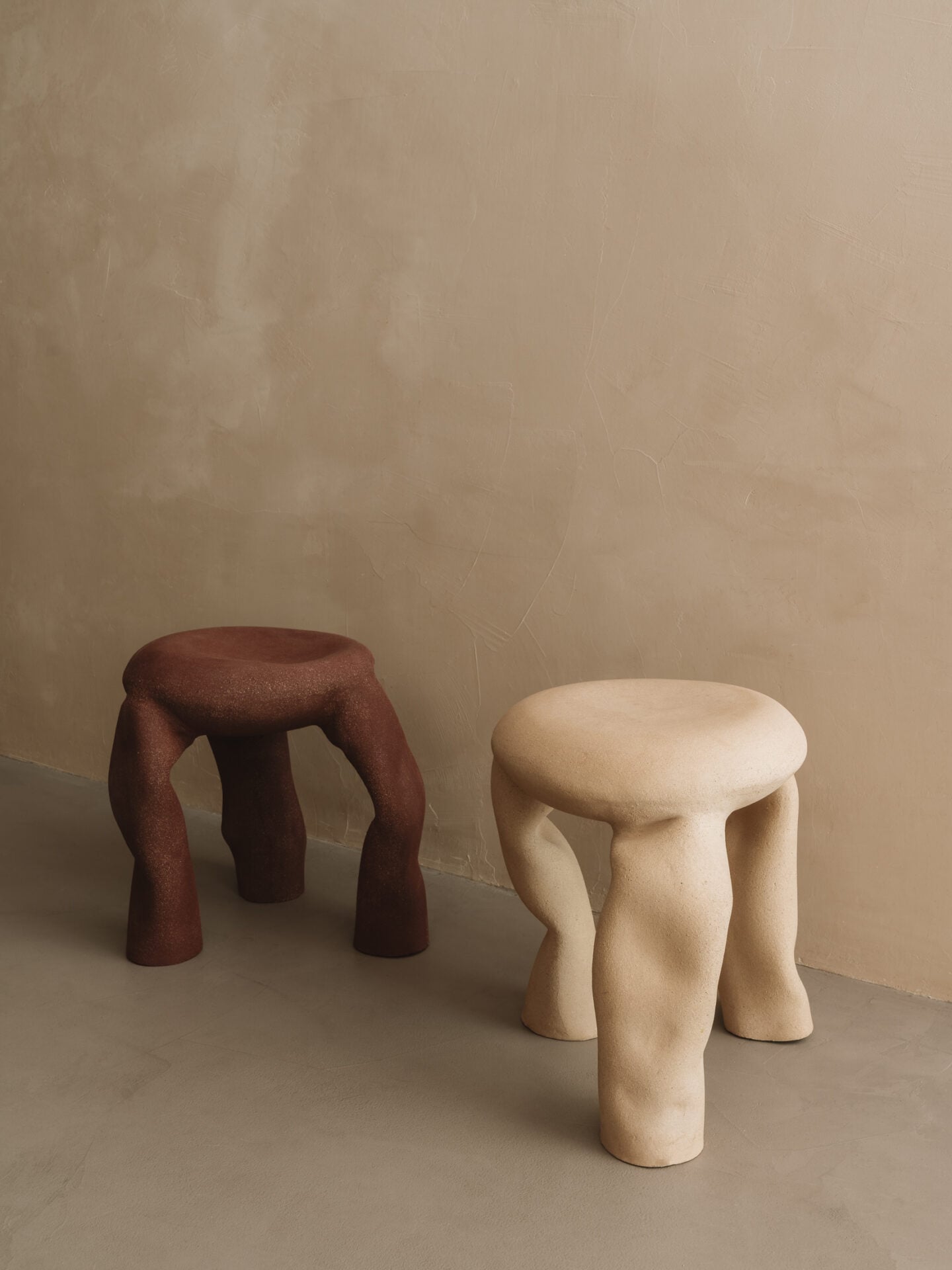
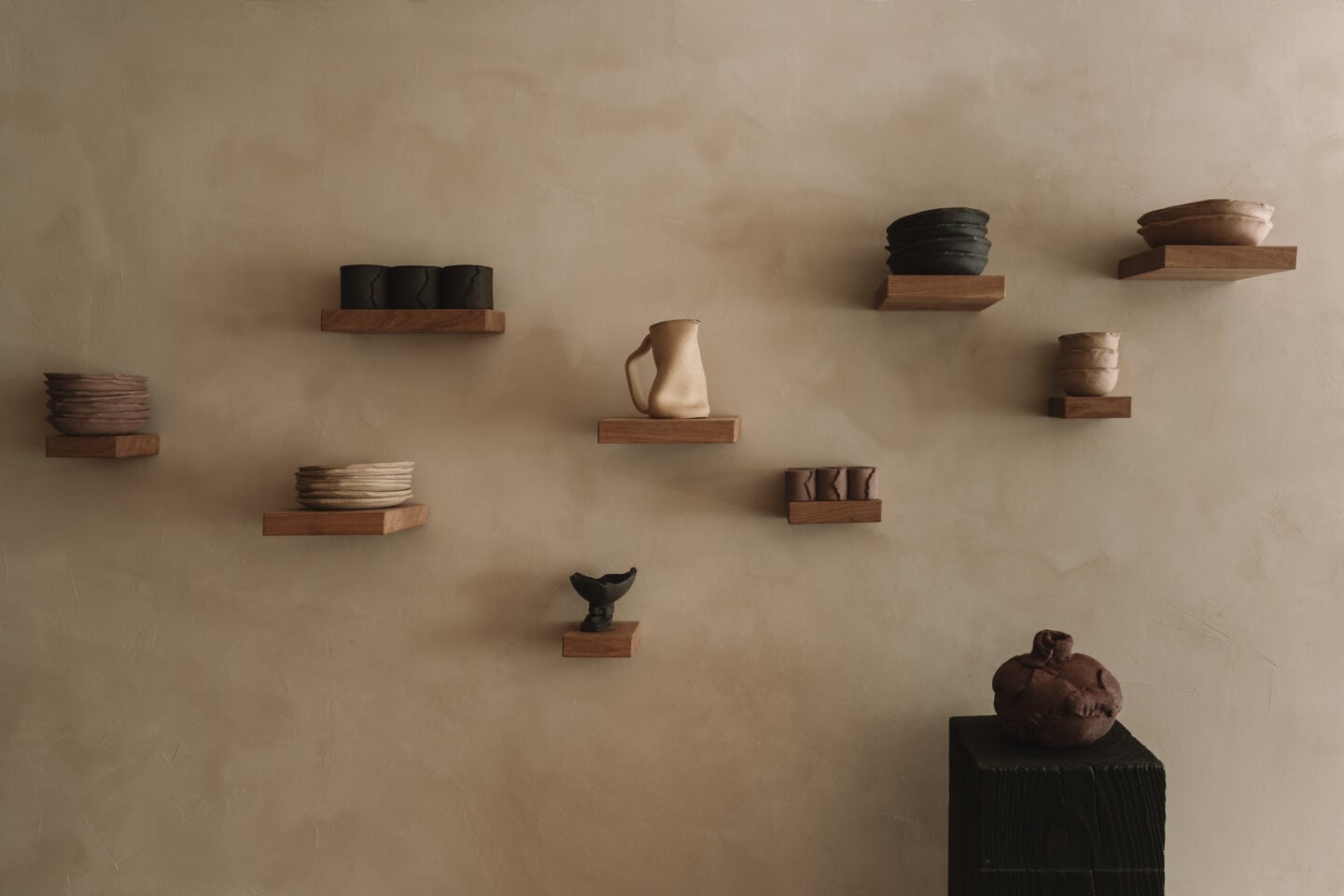
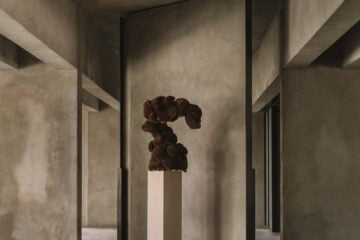
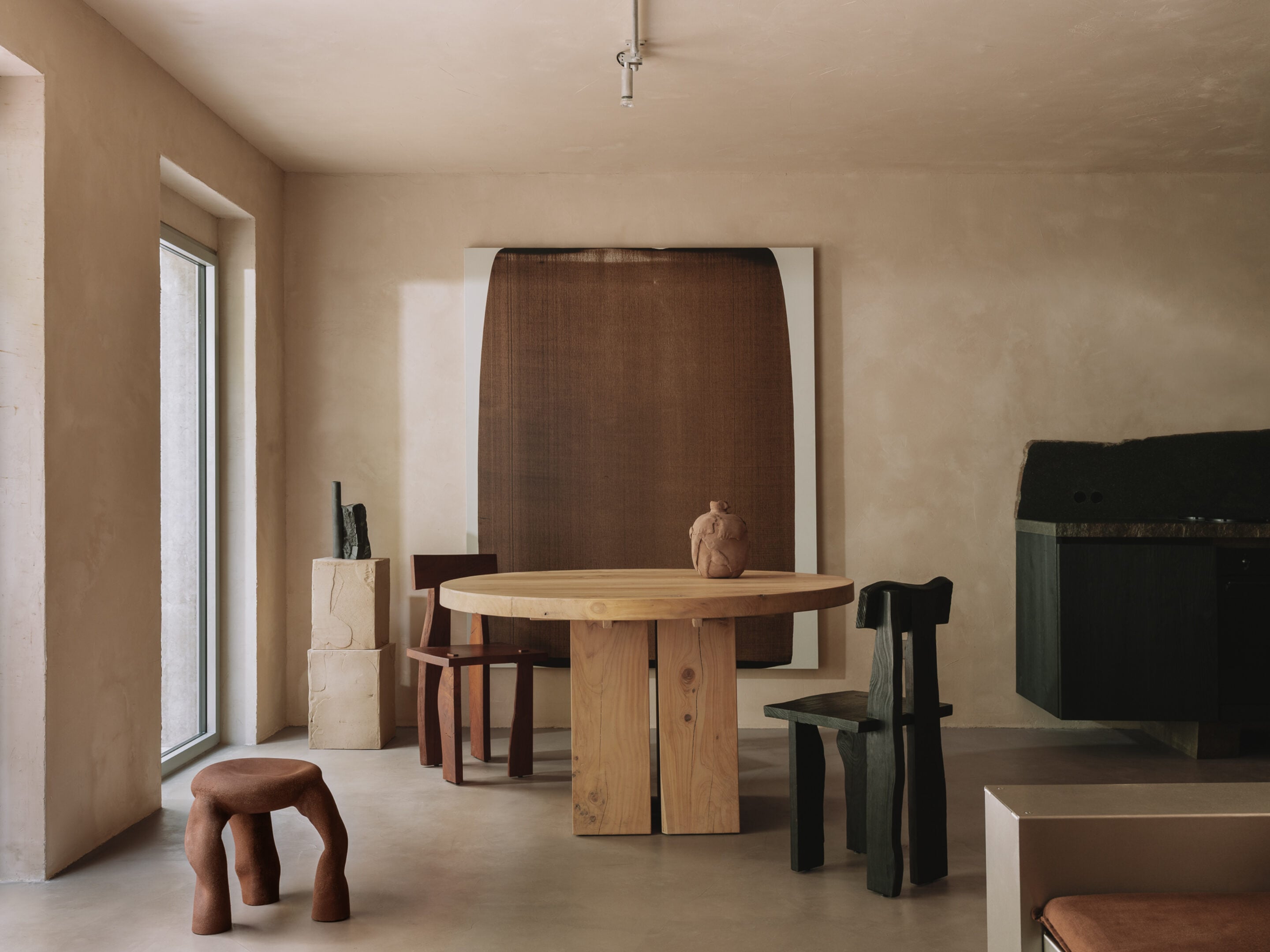
The result of such relationships now populate their hybrid home-studio-showroom in the heart of Lisbon. Completed in 2019, the building has standard architectural dimensions, but its bespoke interior is far from ordinary. Tomás and Natasza lived here for five years before settling on a form that could meet the needs of a growing family and business. The home is spread across two levels, its west side faces the busy Rua de São Bento while its east looks onto a quiet courtyard. The first floor houses a ceramic studio that opens directly onto the street. Below that, a second floor houses the family’s open-plan living and kitchen area.
“The intention was to show people how these pieces will live with them as we live with ours.”
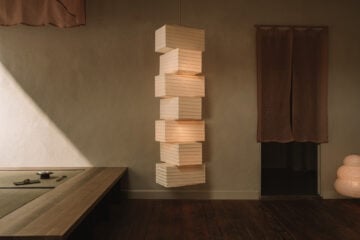
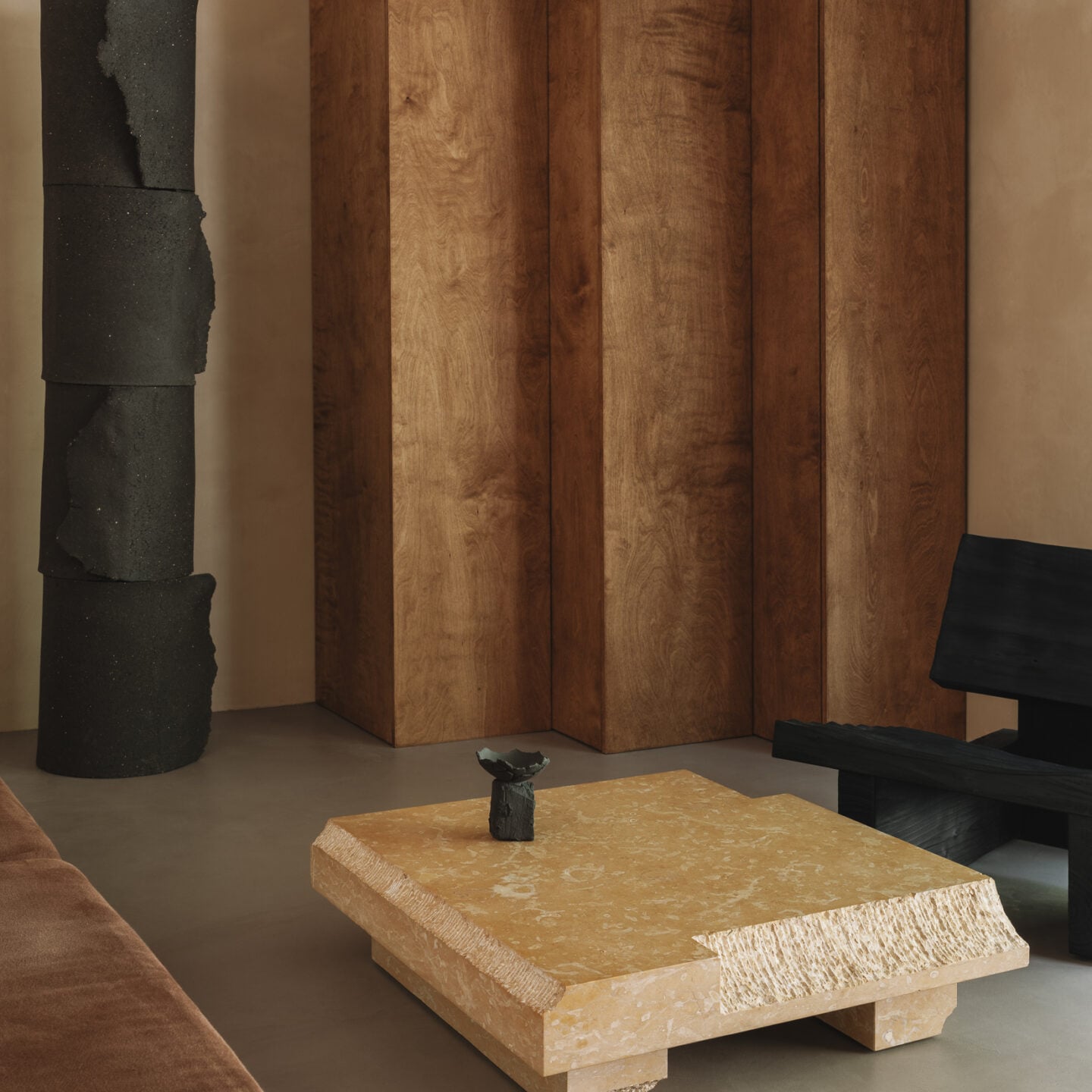
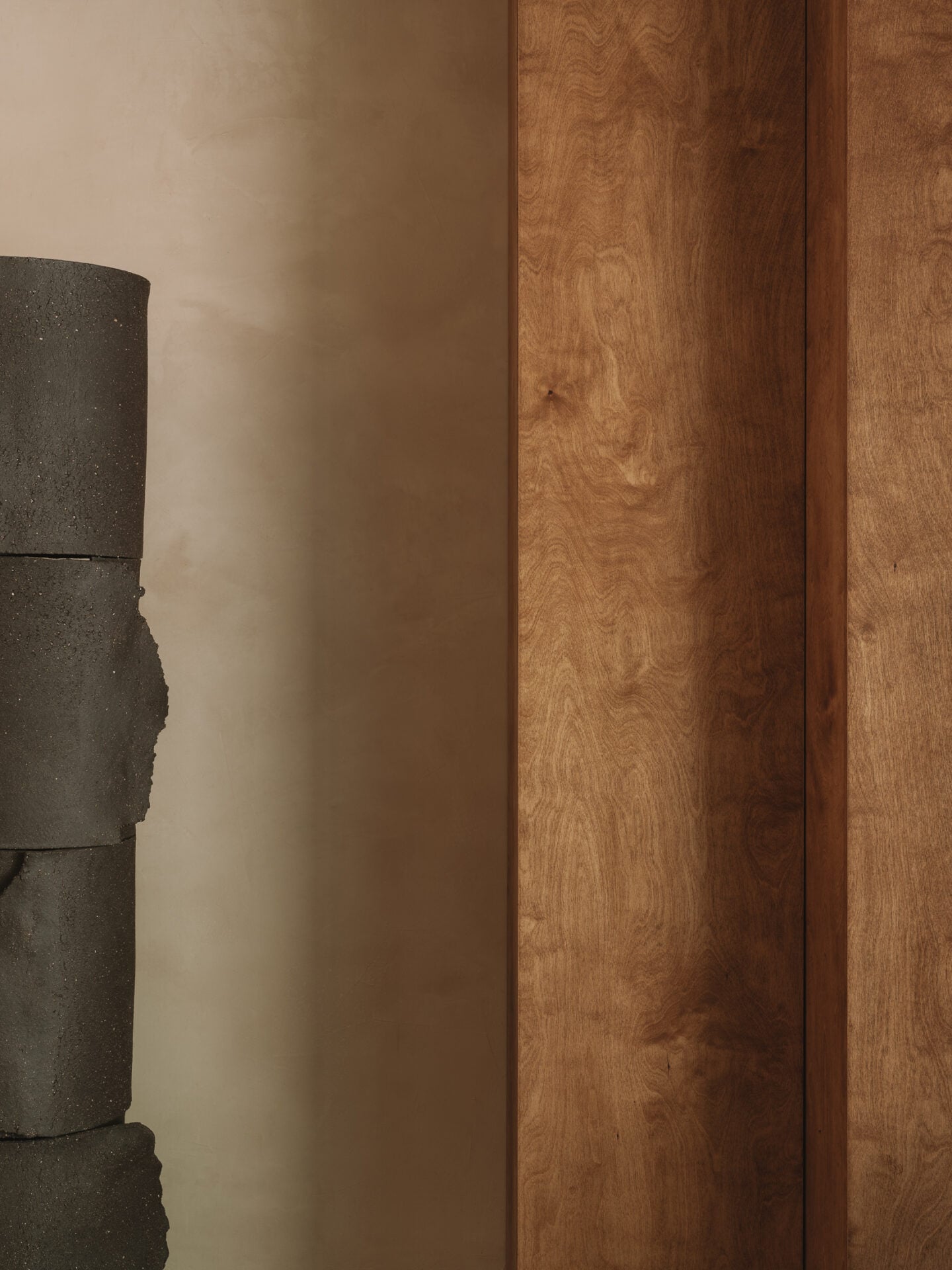
The formal elements of the building are elegant and pared back, providing a calm backdrop against which Further Ther furniture and objects shine. Here, customers are treated to a demonstrably different retail experience. “The intention was to show people how these pieces will live with them as we live with ours,” says Natasza. “By letting them move through the house and see the different textures, different materials, different ceramic forms, they are better able to grasp the feeling of Further Ther, rather than just the objects.” It’s a floorplan that doesn’t separate home from studio; there is no distance between object and owner or the piece for sale or the piece being used.
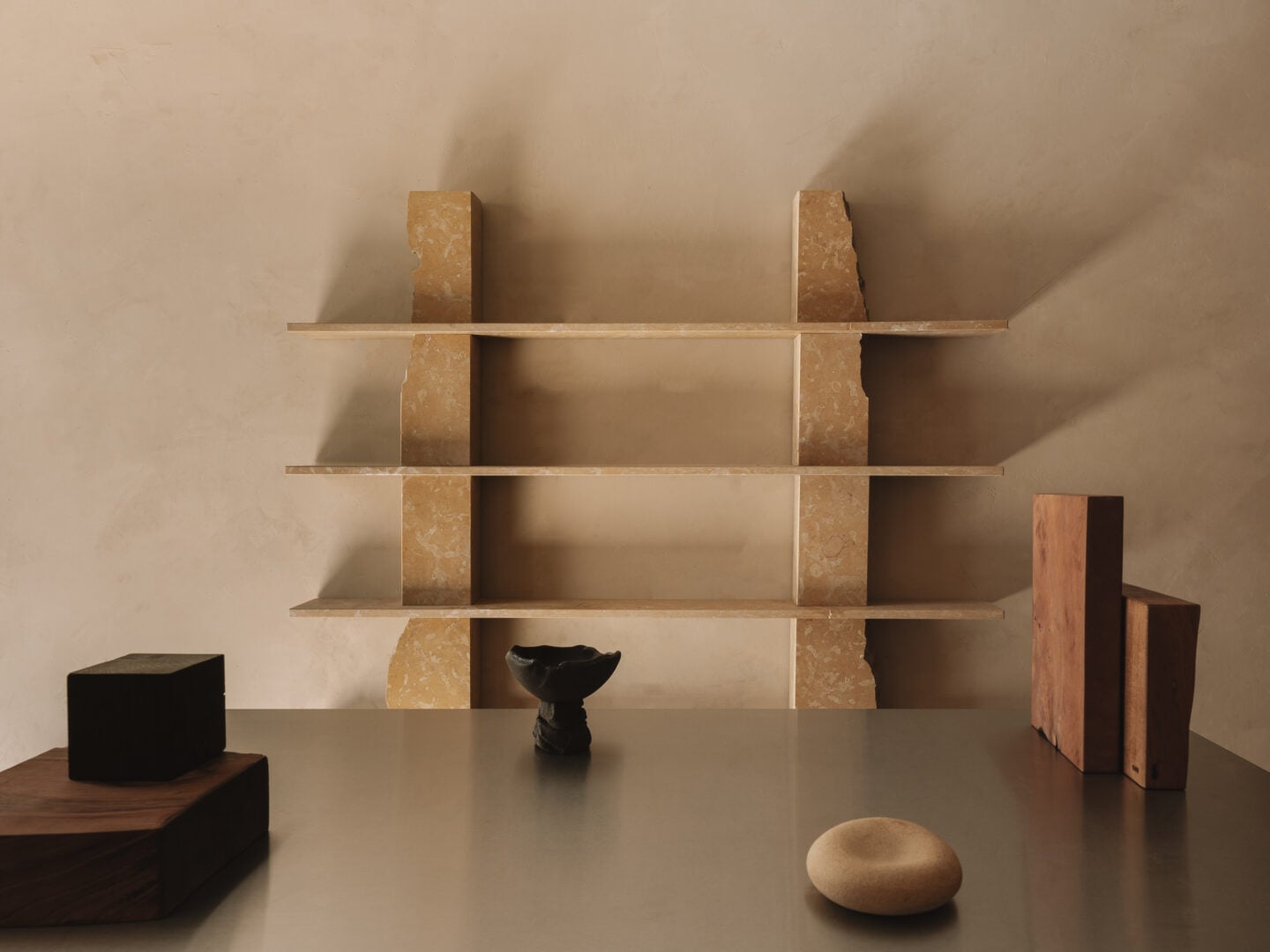
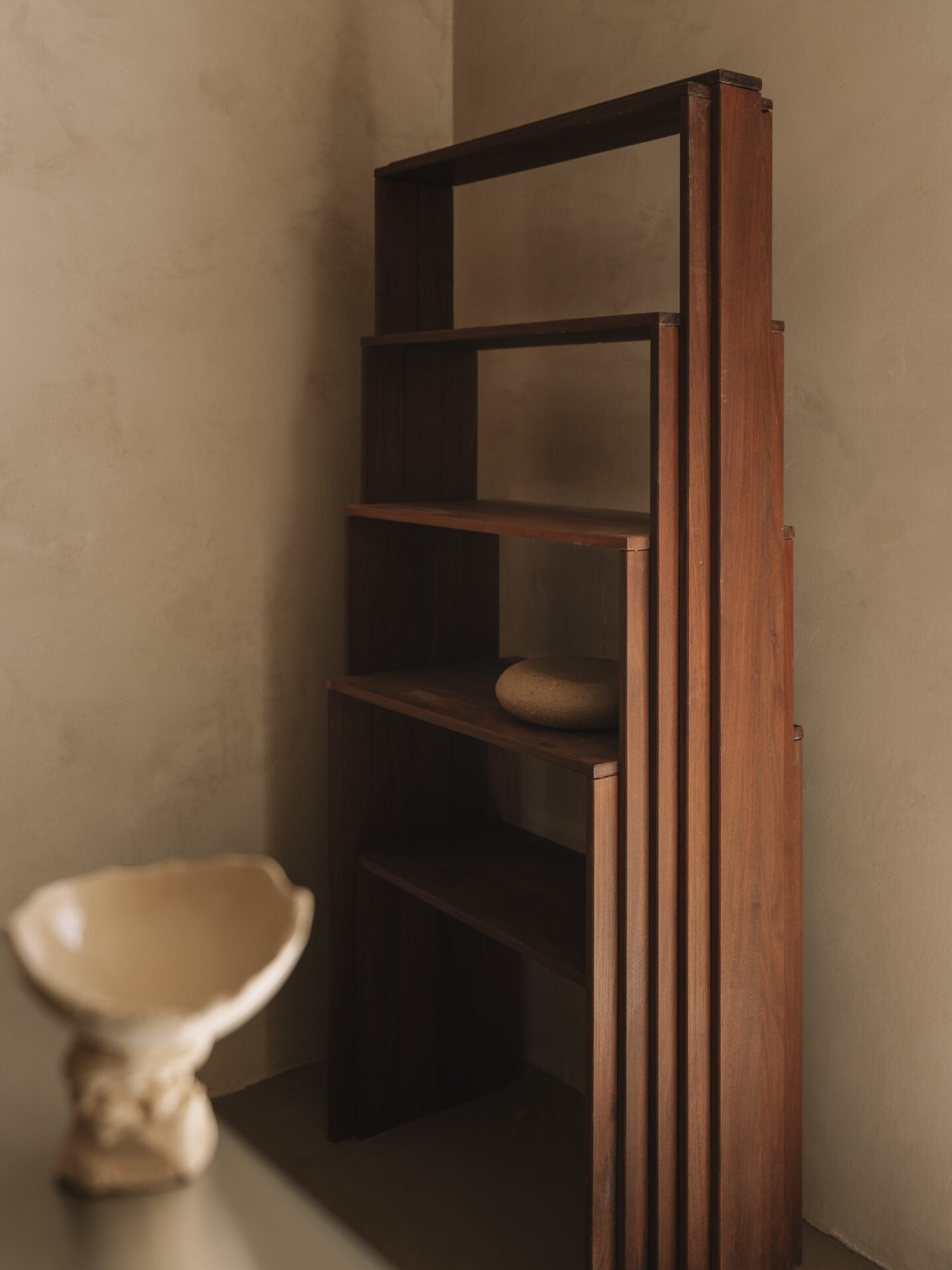
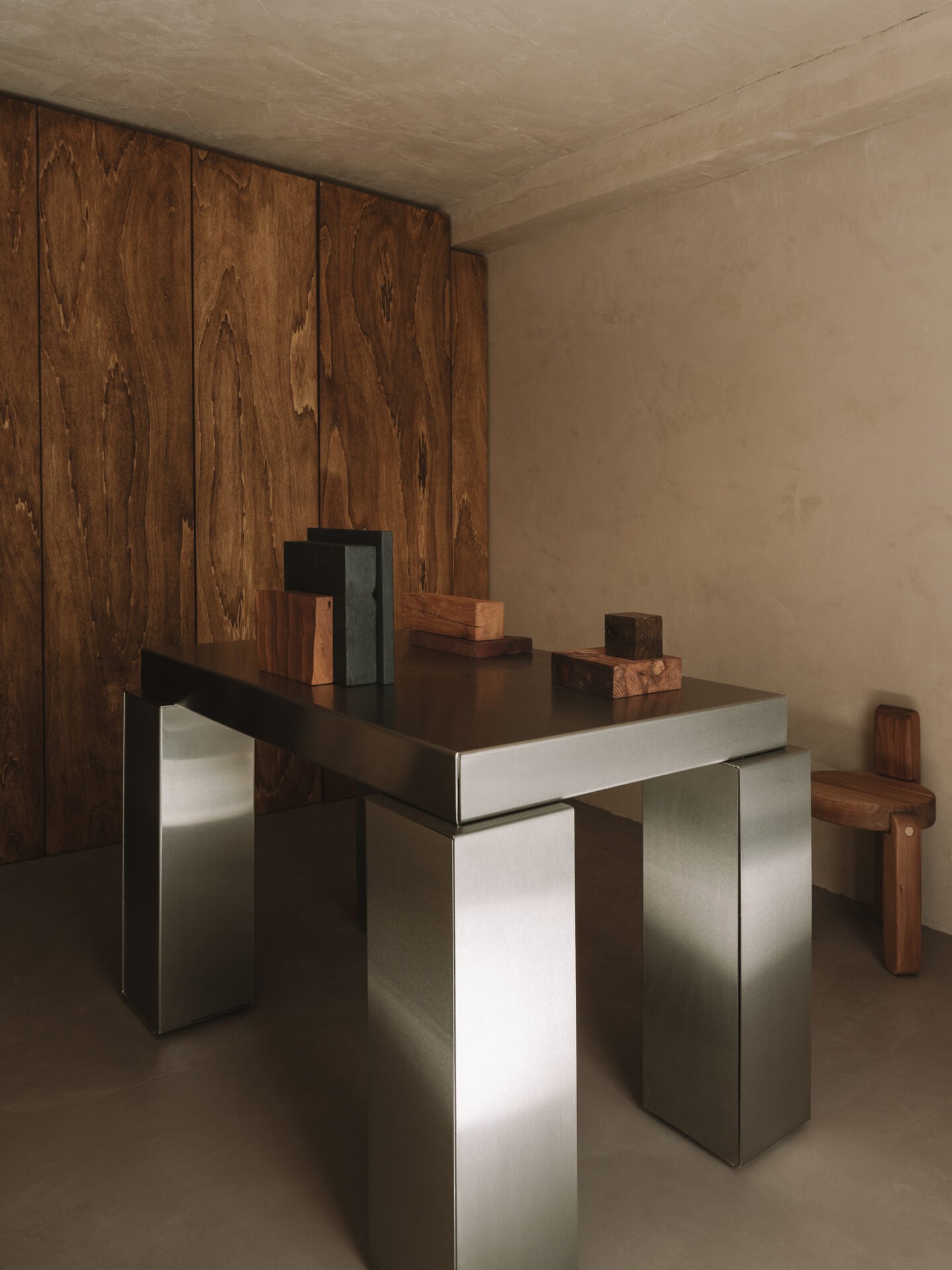
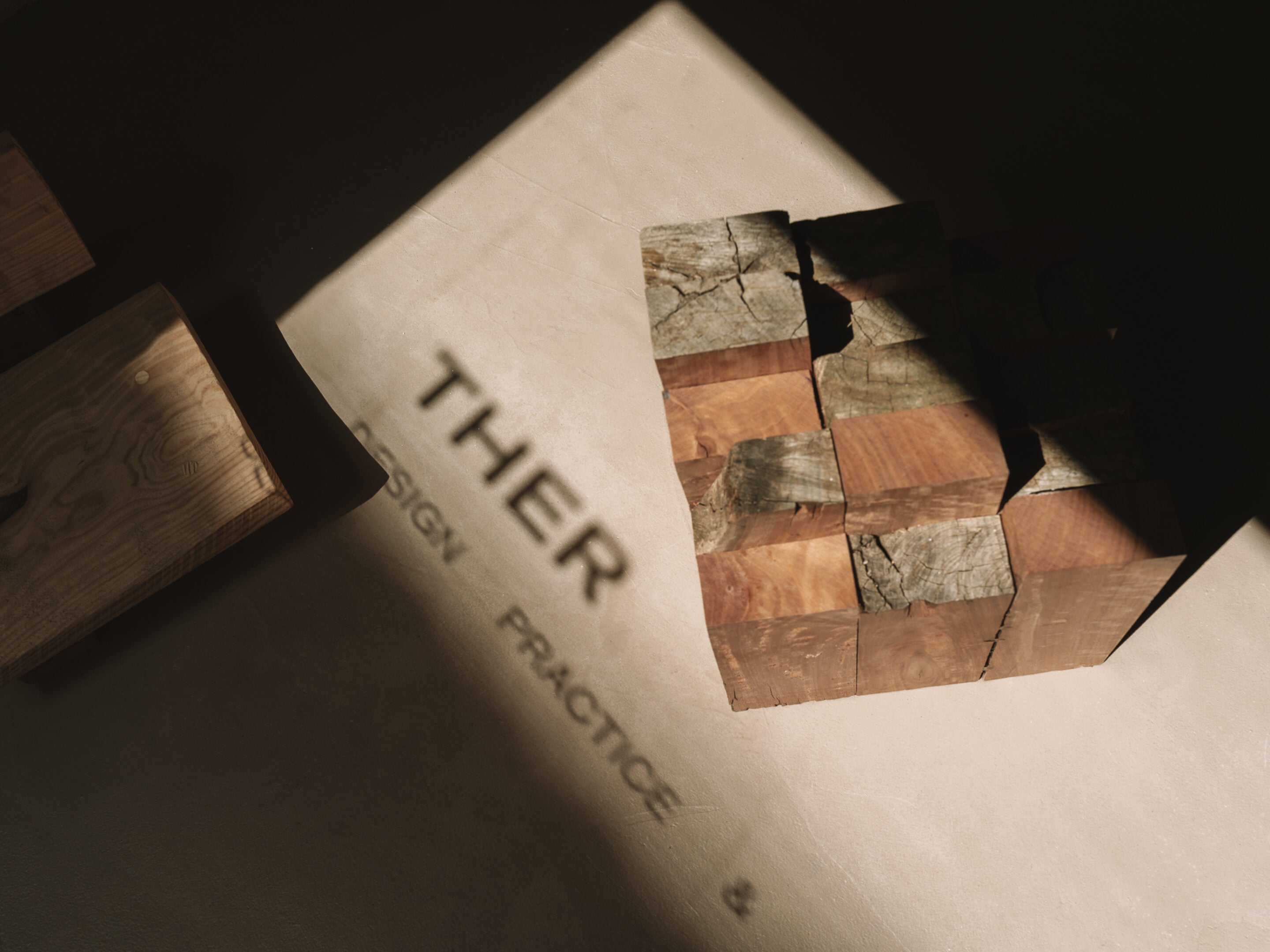
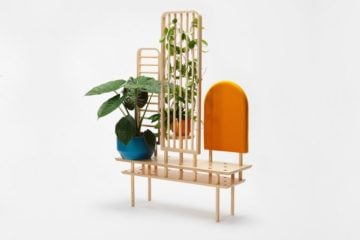
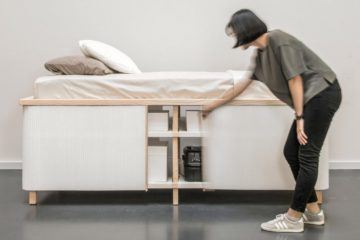
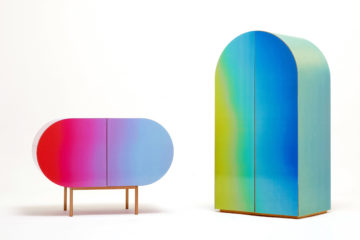
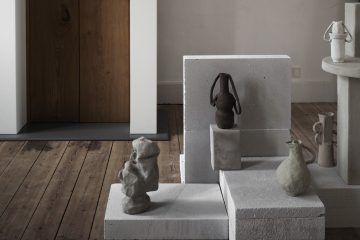
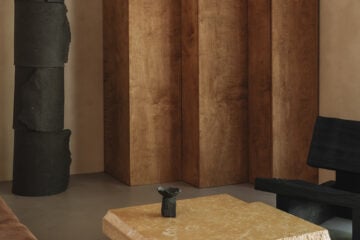
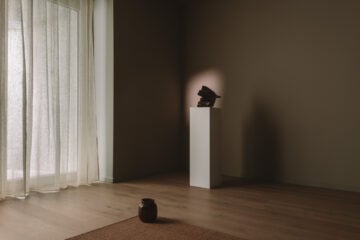
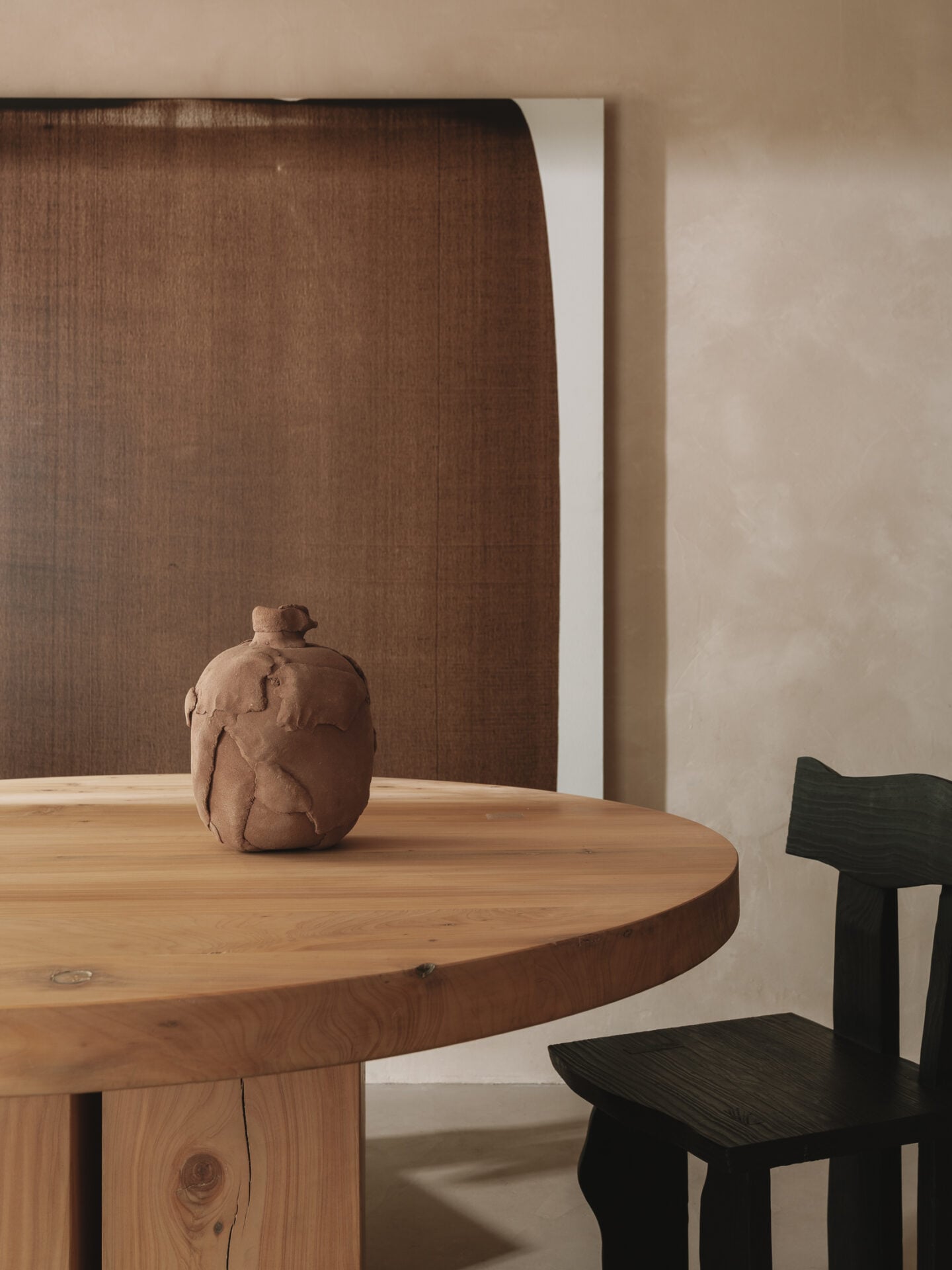
The works on display span furniture and collectibles crafted from ceramics, timber, stone and metal. Each piece, a lesson in material and form. The floorplan does not separate home from studio: visitors to the space are welcome to take a seat on the Bend Sofa, with its sculptural stainless-steel frame and chocolate linen cushions. They’re invited to open the drawers of the dramatic basalt-stone kitchen unit, whose brobdingnian form looks as if it was recently pulled from the earth. Perhaps they’re served tea in one of Natasza’s bespoke stoneware cups as they sit at the family dining table on an Askew Chair, its timber charred black using shou-sugi ban.
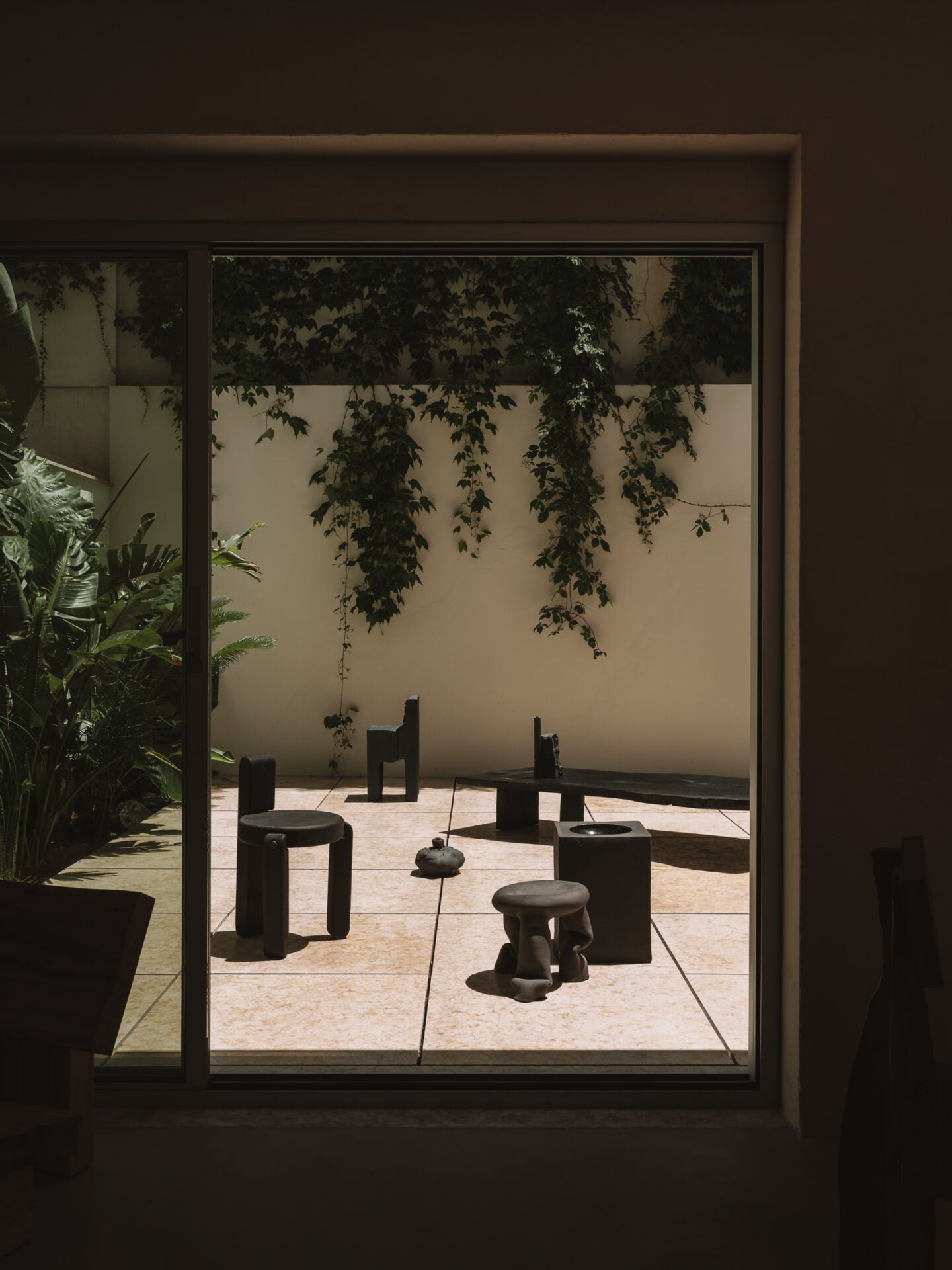
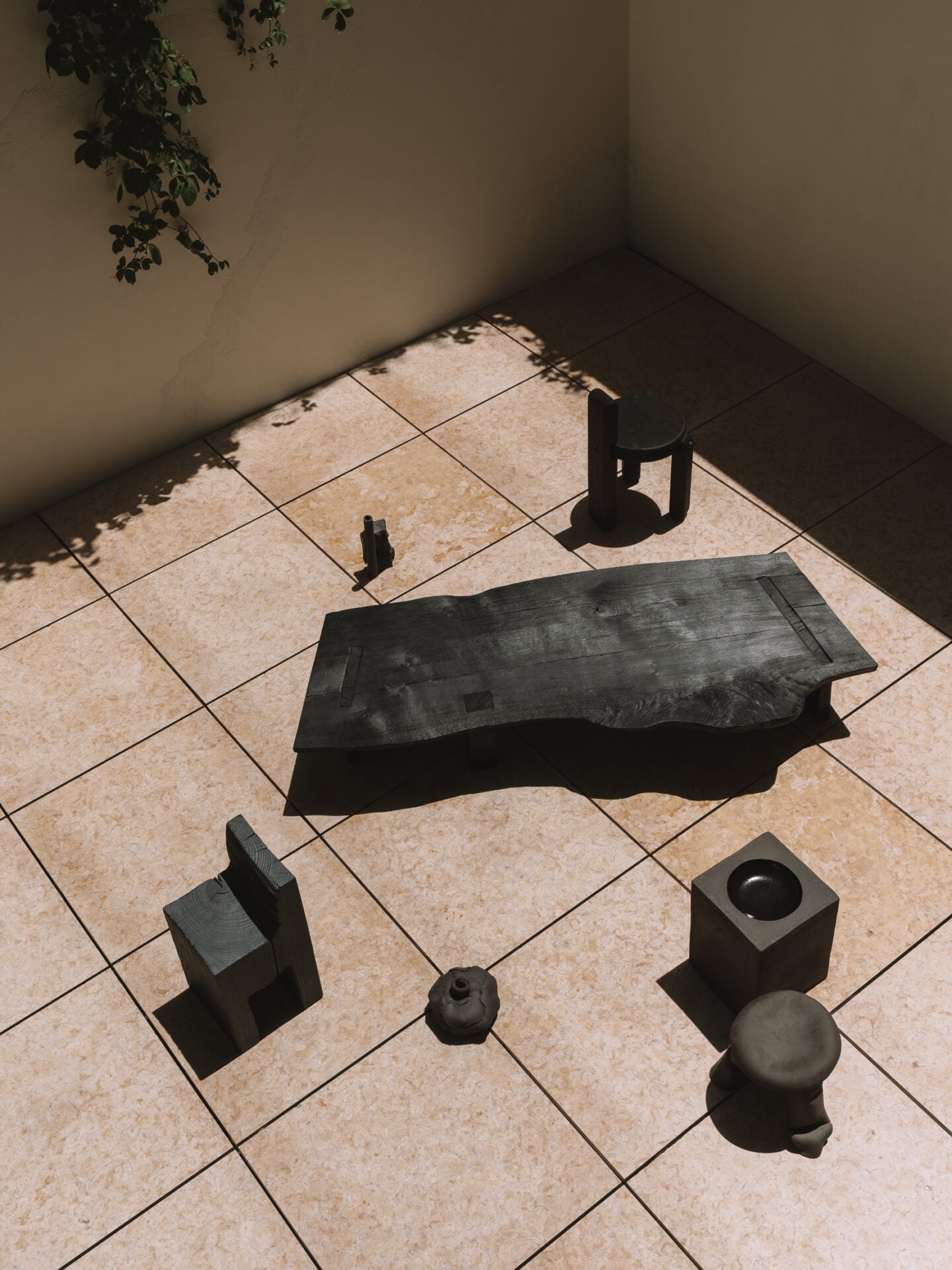
"You have to be very mindful when you use our objects, and we like that."
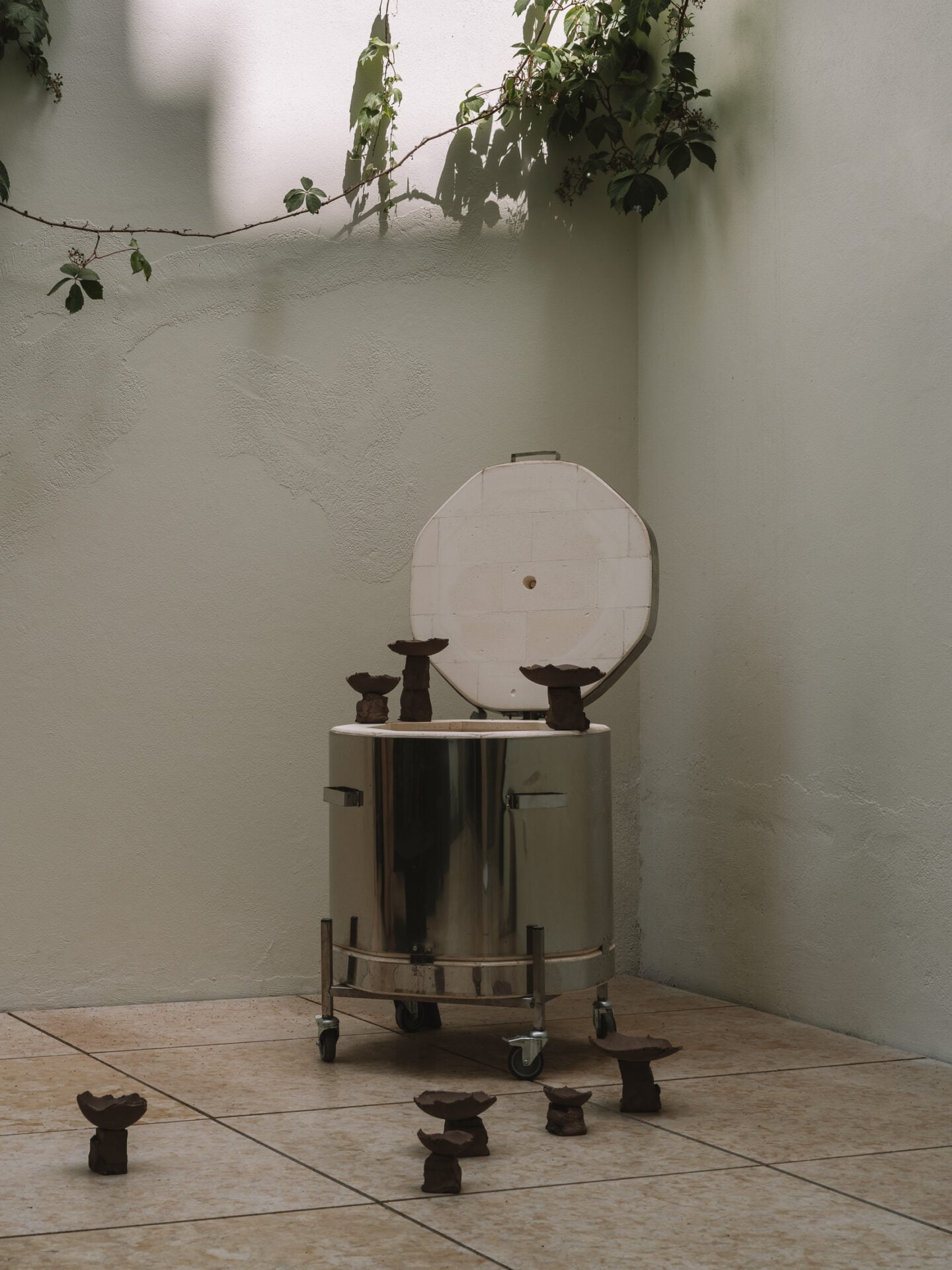
Further Ther’s work resists the invisibility and utility that much contemporary design aspires to; they invite us into an encounter. “You have to be very mindful when you use our objects, and we like that,” says Natasza. “We live in a beautiful time where the worlds of art and design are really intersecting, so we don’t need to create objects that are entirely ergonomic or utilitarian,” continues Tomás. “I mean, that kind of design is wonderful, and it’s great that objects can be functional and seamless to use, but our work has a different role.” That role is one of two-way exchange, Natasza explains. “Our philosophy is ‘we are what we explore,’ which is really about how we interact with objects—because those interactions change us.”
Images © Clemens Poloczek | Text: Rosie Flanagan