Strom by Celeste Asfour: A Seasonal Café Where Reverie Meets Play
- Name
- Celeste Asfour
- Images
- Clemens Poloczek
- Words
- Rosie Flanagan
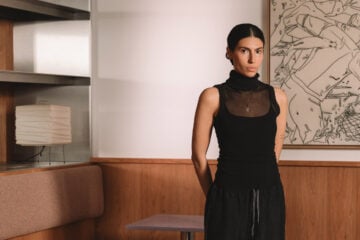
In the heart of Berlin, a quiet courtyard sits framed by historic properties that once thrummed with the energy of industry. Here, on the ground floor of a 19th-century building, you’ll find Strom—a café where reverie meets play, conceptualised by Berlin-based architectural multihyphenate Celeste Asfour.
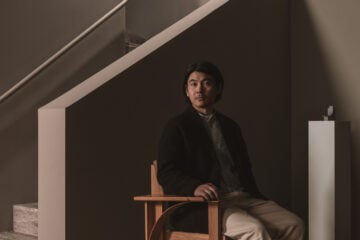
Celeste’s early life unfolded in an architectural household. “I grew up completely surrounded by it,” she explains. “As a child, my mum was always dragging me to museums and construction sites.” For a time, such proximity made her hesitant about joining the world of design. “That is, until I realised I was lying to myself,” she laughs. While grounded in architecture, her practice finds form in a range of aesthetic expressions—from interior design to objects and photography.
“My philosophy now is to take what is there and work with it. That’s why I prefer the scale of interior architecture.”
She says that this path emerged while studying: “It was at university that I realised I might not want to be an architect in the classical sense, because I had a problem with the scale required. It was always: Building, building, building. New, new, new. And that’s just not how I enjoy working.” Her approach turned to what already exists, to material research, and a combination of old and new. “My philosophy now is to take what is there and work with it. That’s why I prefer the scale of interior architecture.”
In late 2024, she was approached with a proposition that closely aligned with her interests: a to-be-determined café, bar, or bistro set on the ground floor of a historic complex that was once home to Berlin’s earliest and most successful restaurateurs. Today, the 19th-century buildings are populated by a new generation of businesses, start-ups, and studios whose offices overlook a large internal courtyard. “The courtyard is beautiful and so are the buildings,” Celeste notes. “But it is a space that was never really used by the public because it wasn’t activated—you would never walk in and discover it unless you worked there.”
"In general, I love creating spaces where people meet and interact, so this gastronomy project was ideal..."
This project was determined to change this, and—unusually—Celeste joined at its very inception. “It was quite a different setup,” she recalls, “there was no name, no logo, no website, no branding, no colours.” Working with the founders and Swedish branding and design agency Several, Celeste helped imagine what kind of offering would best serve the location. “In general, I love creating spaces where people meet and interact, so this gastronomy project was ideal,” she adds. “The outcome was really shaped by the process: by the way it began, by the space and its requirements, and by the people that I worked with, and by a desire to have fun with it.”
From their early conversations, an idea emerged: a seasonal café for artisanal coffee, small plates, and afternoon drinks. A space that would transform the courtyard from a place of transit to one of gathering and encounter. The courtyard has three entrances through which people stream in and out of each day—this perpetual circulation animates the area and renders it a kind of “safe harbour,” says Celeste. From here came the café’s name: Strom translates from German as “electrical current” or “stream”: a flow of people and energy.
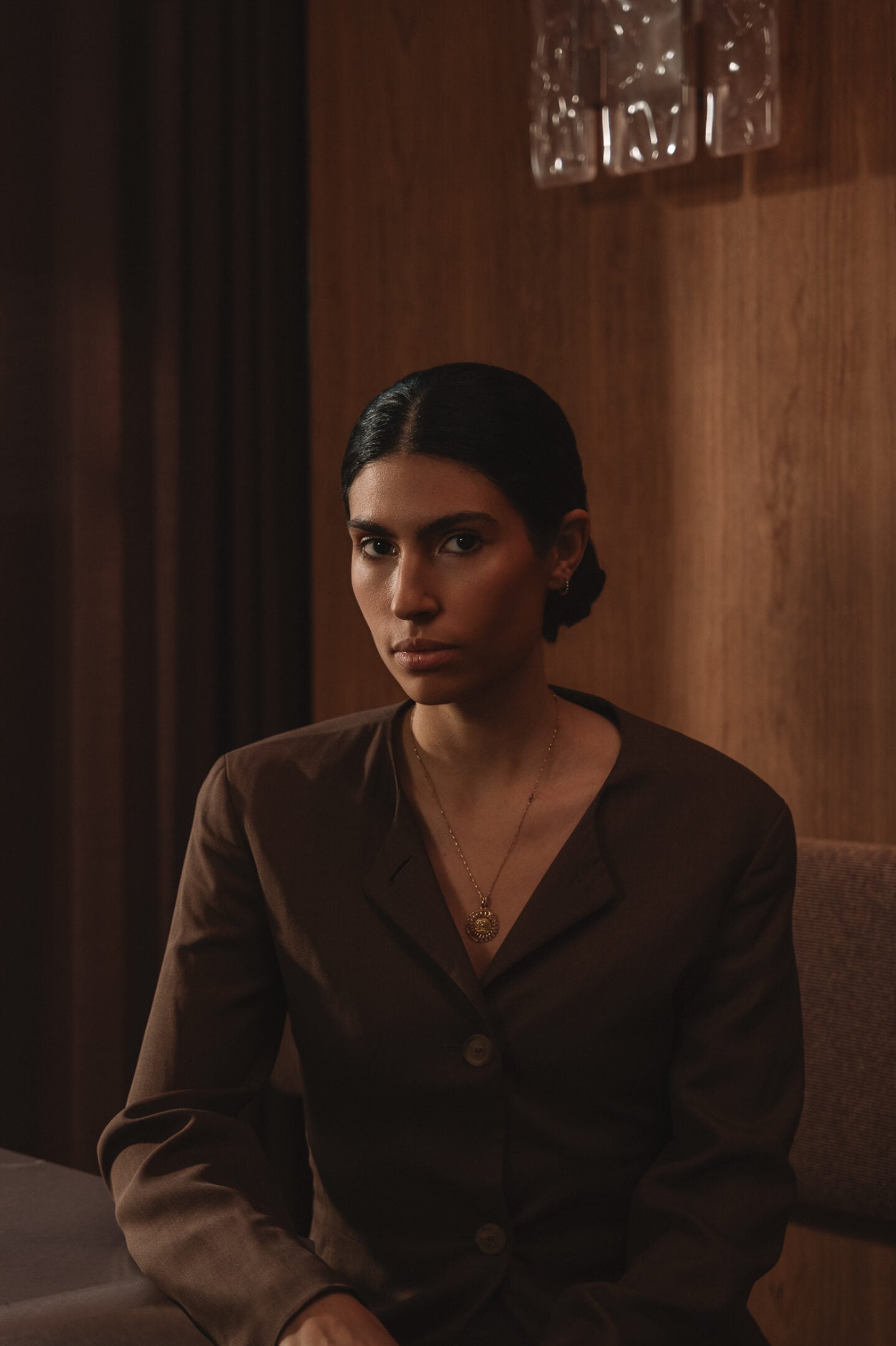
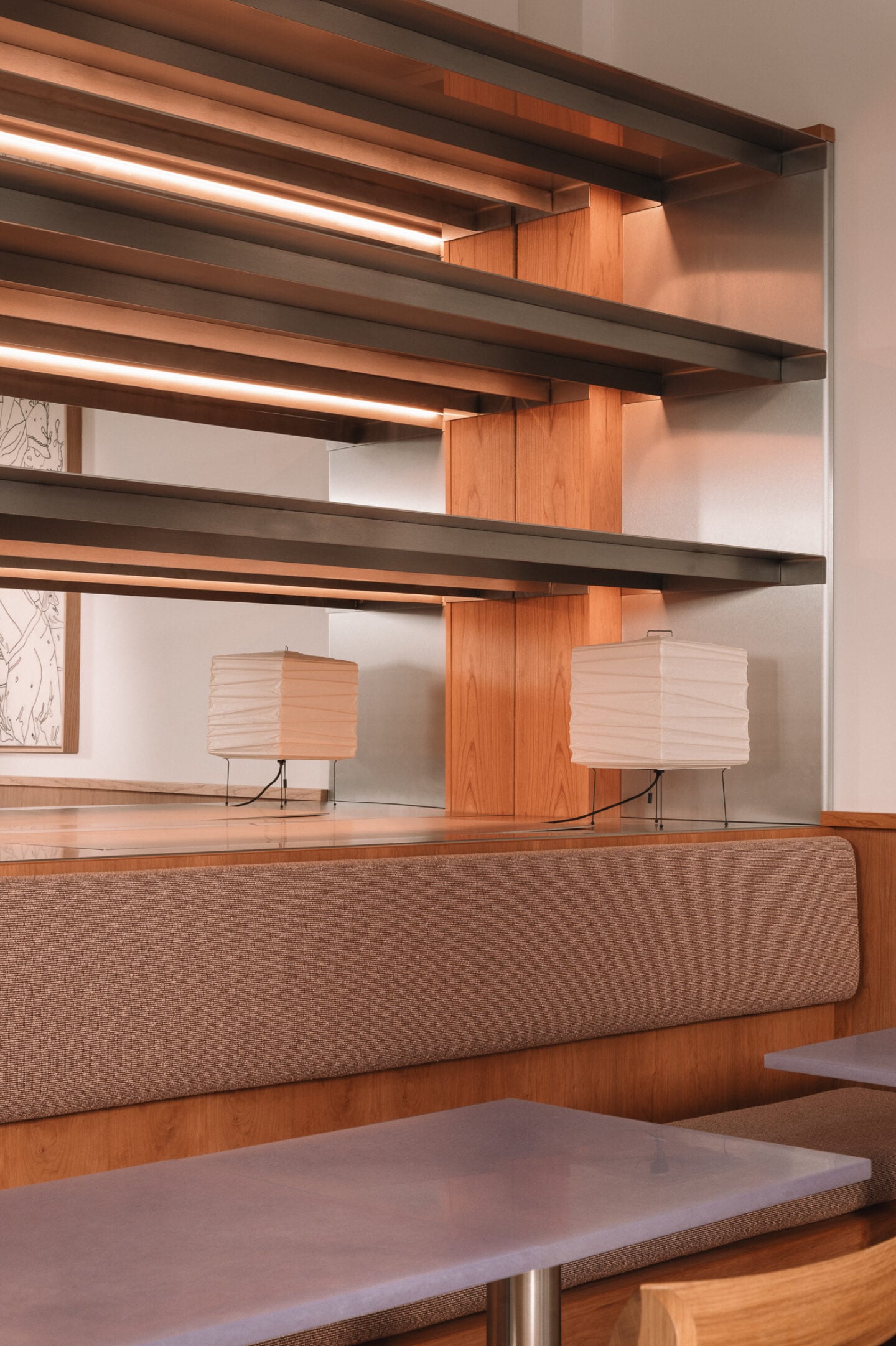
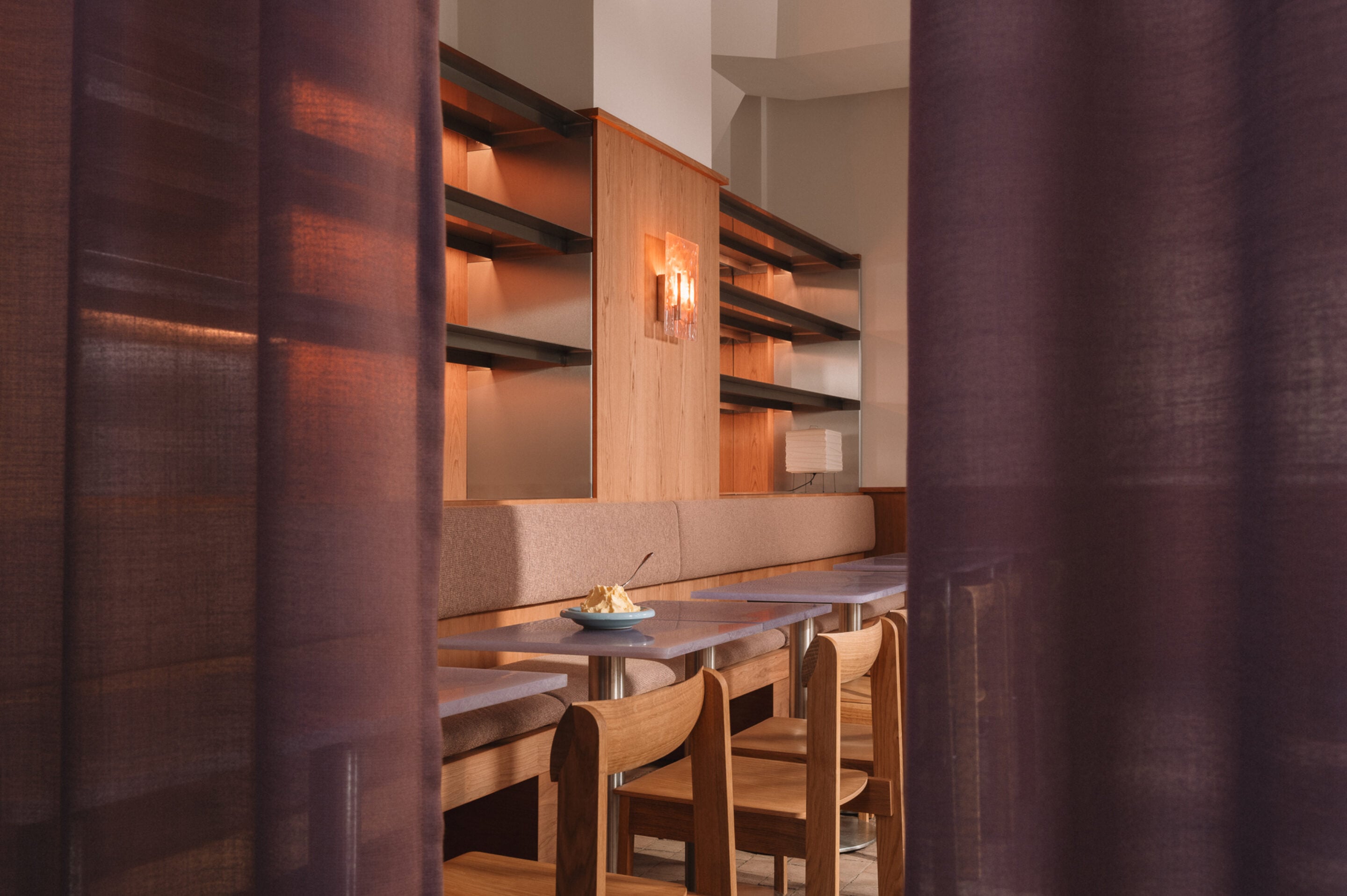
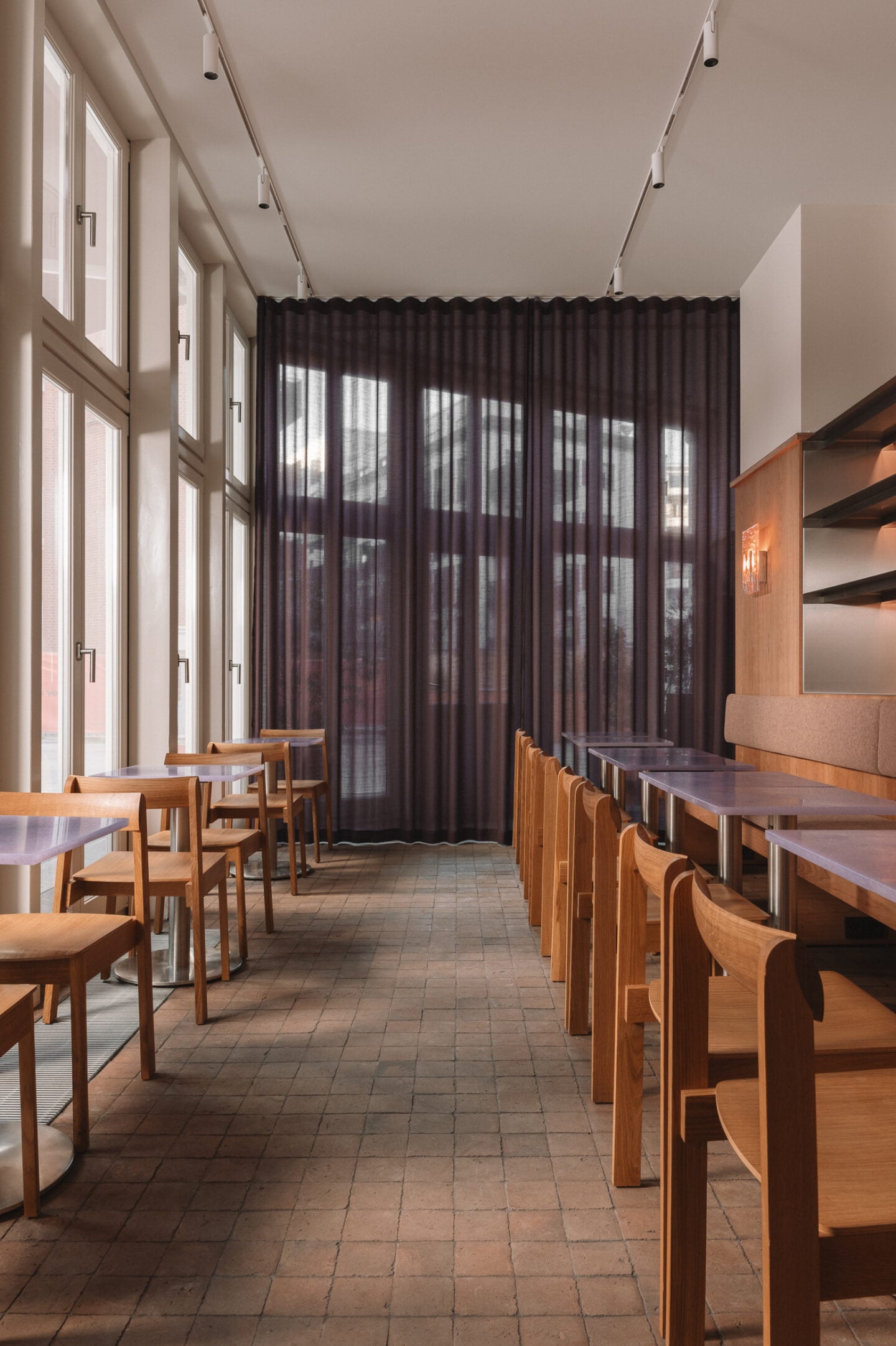
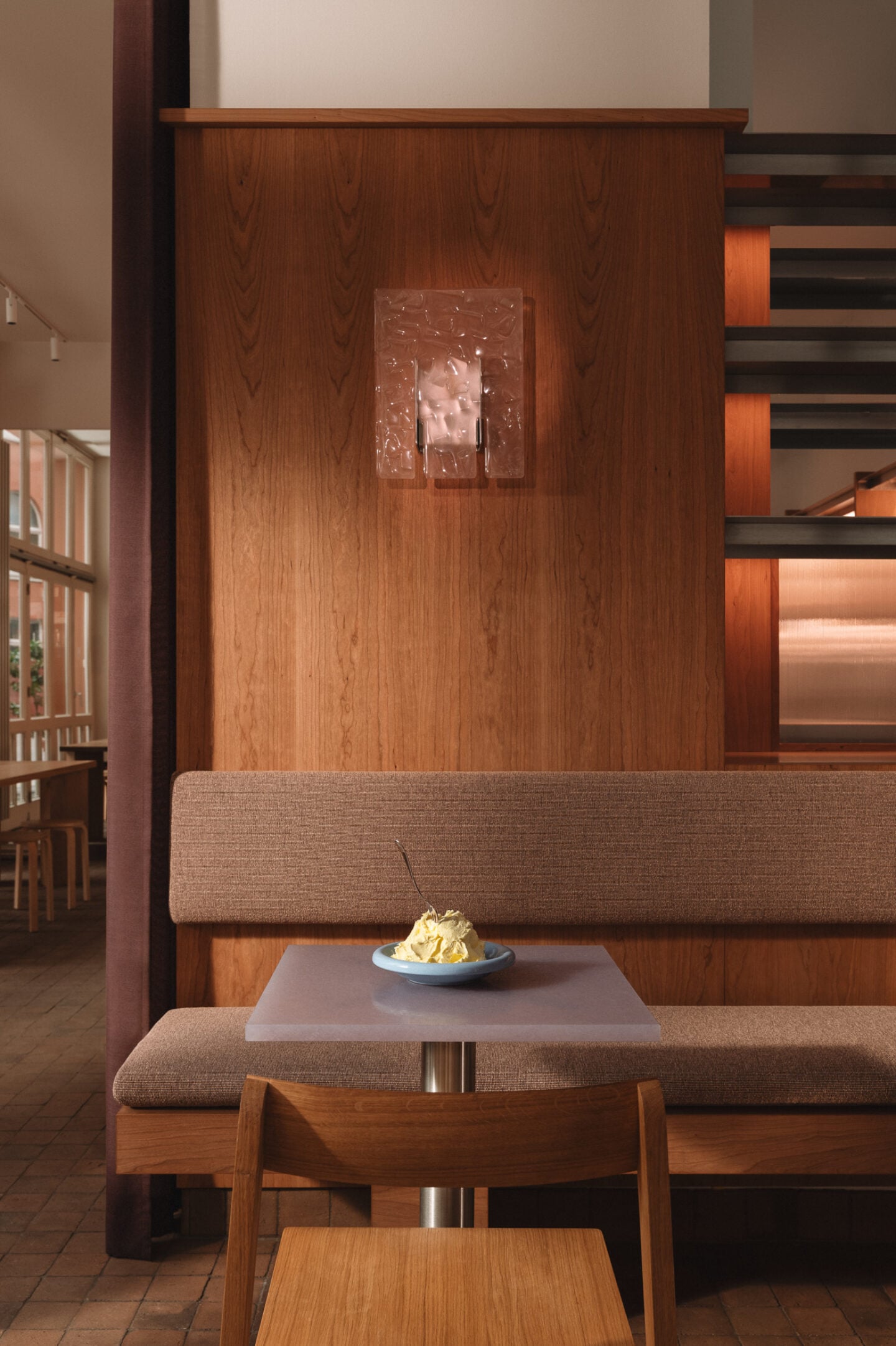
“I hate when everything is completely beige or lacquered, when spaces don’t have any sense of texture."
The graphic identity embraces these ideas. Playful and minimal, its refined sensibility bounces across the webpage and stacks atop itself in the logo. This concept is given physical form by Celeste’s interior design, which focuses on spatial arrangement and a balance of materials. “In every project, I think you have to create some sort of tension,” she says. “I hate when everything is completely beige or lacquered, when spaces don’t have any sense of texture. You have to balance hard things with soft things. That kind of tension results in balance.”
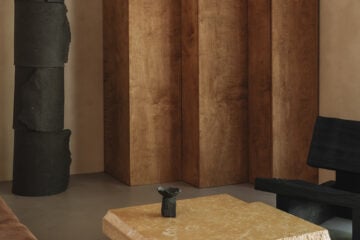
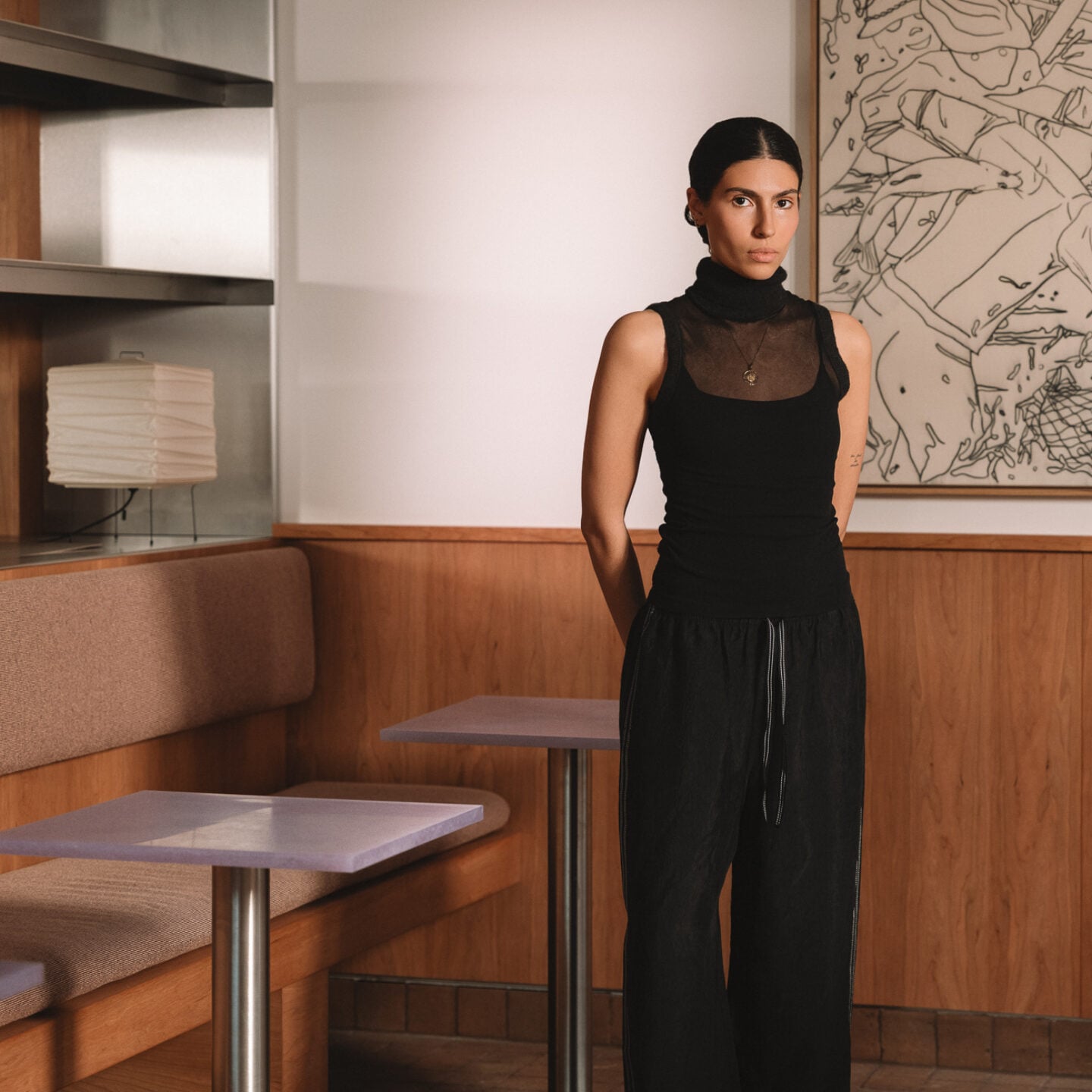
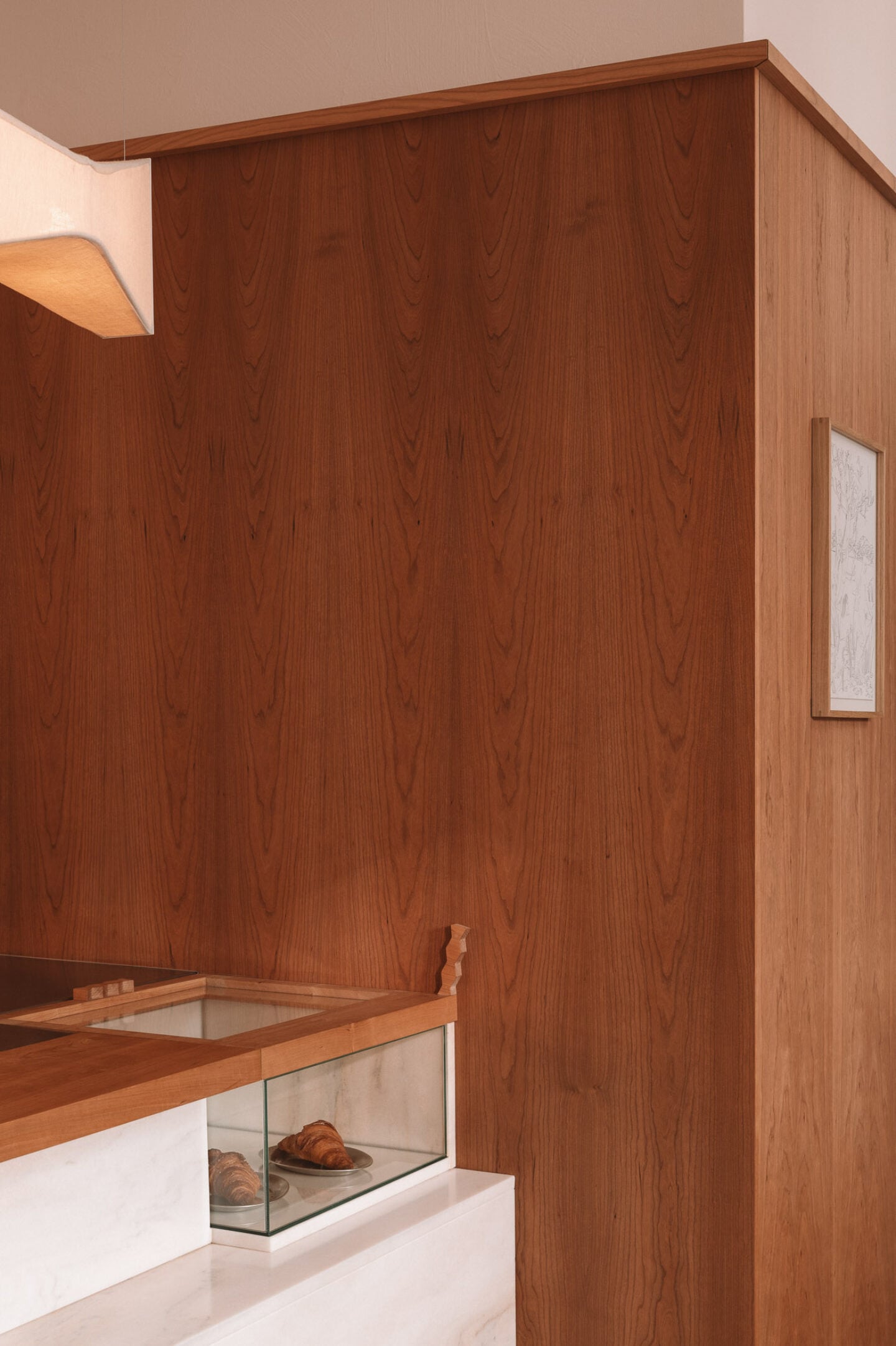
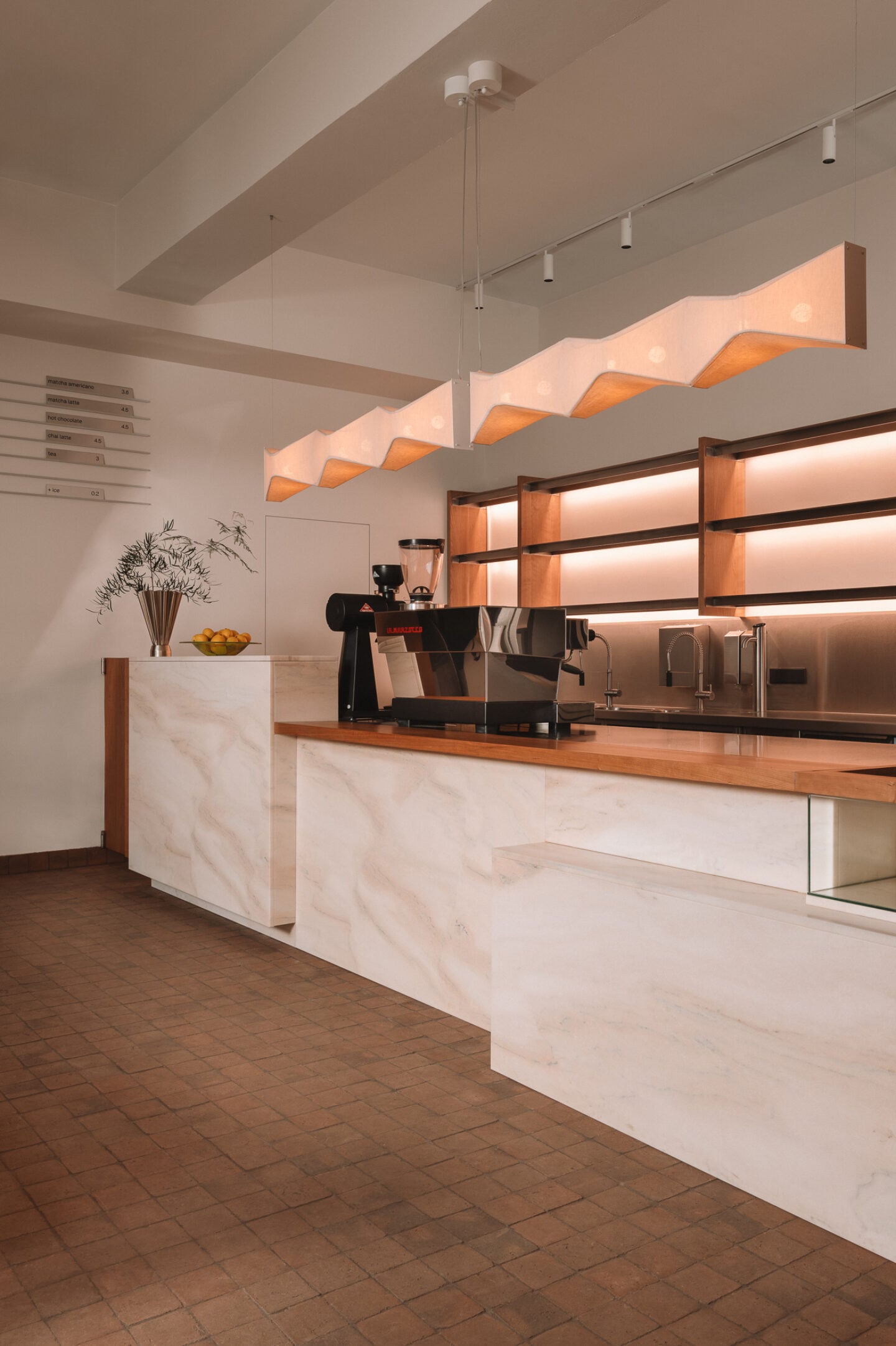
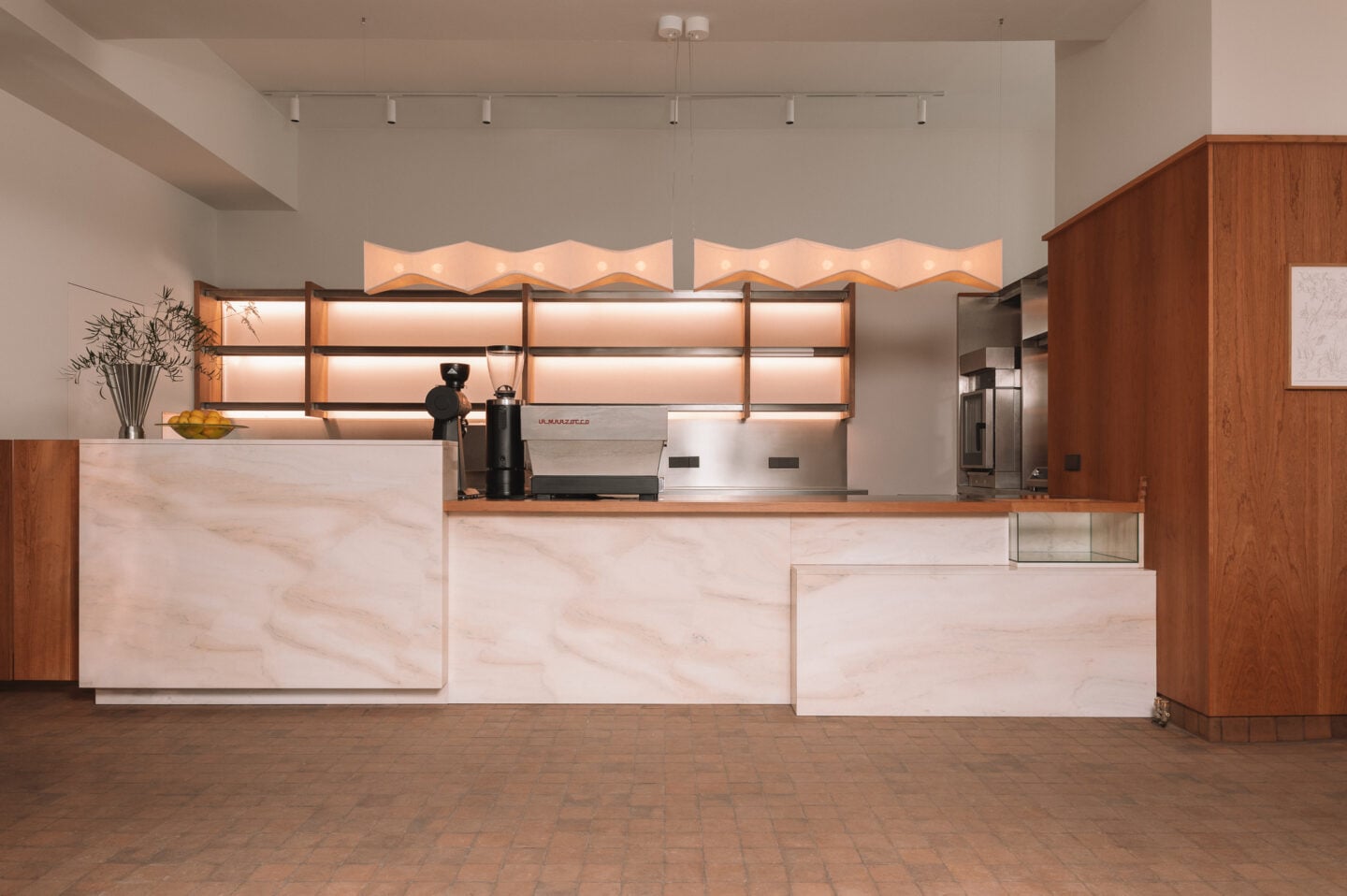
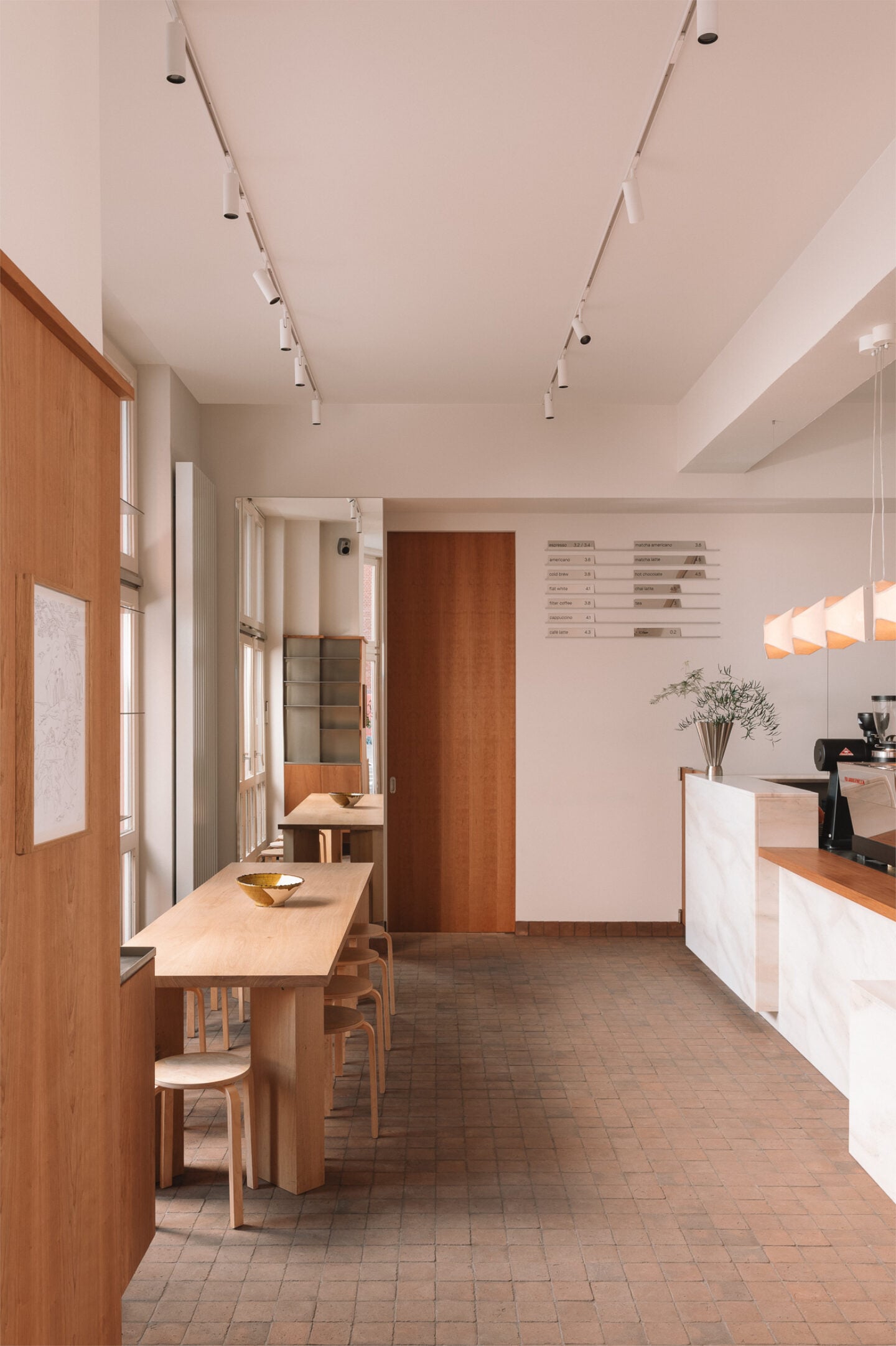
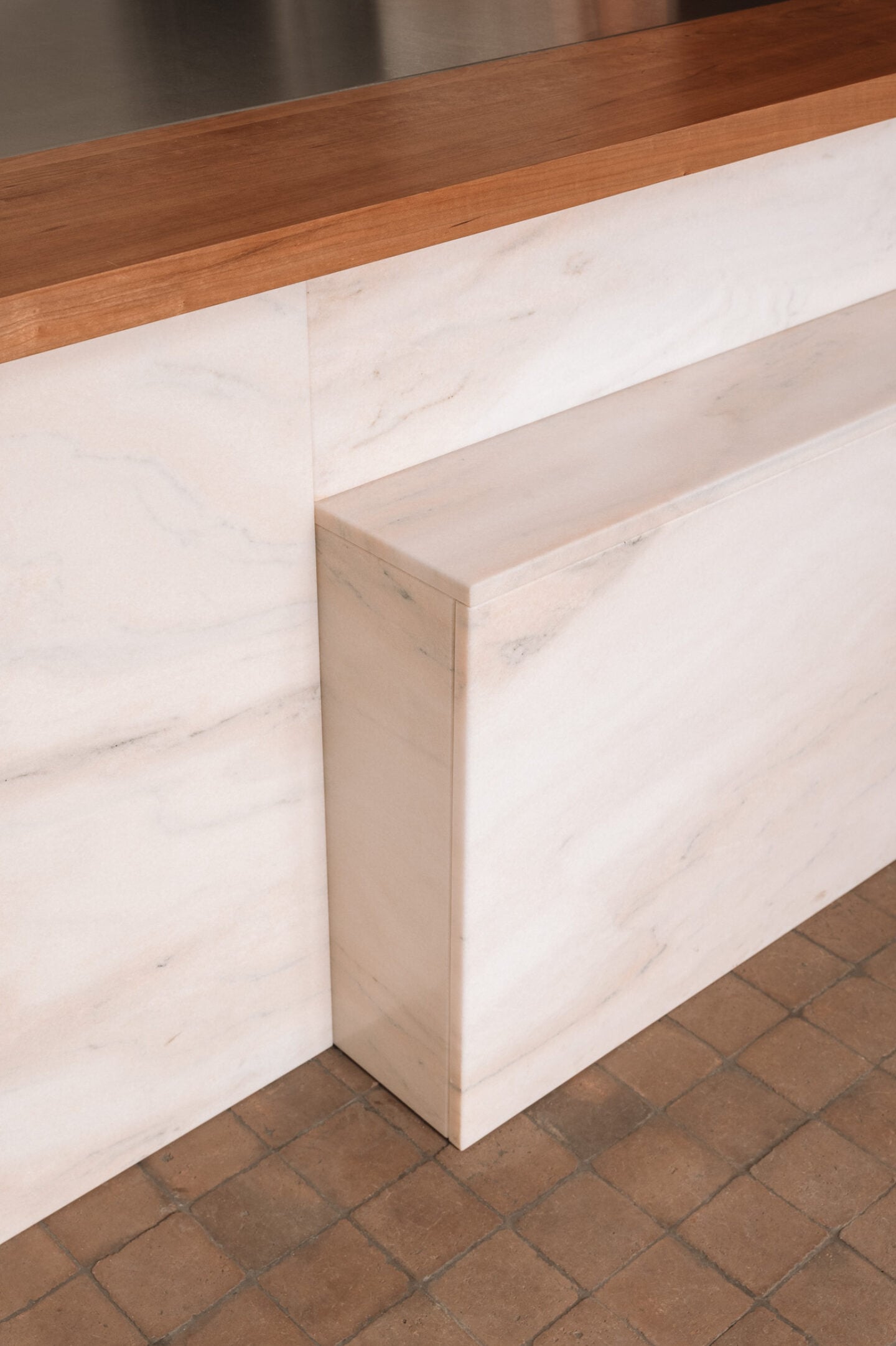
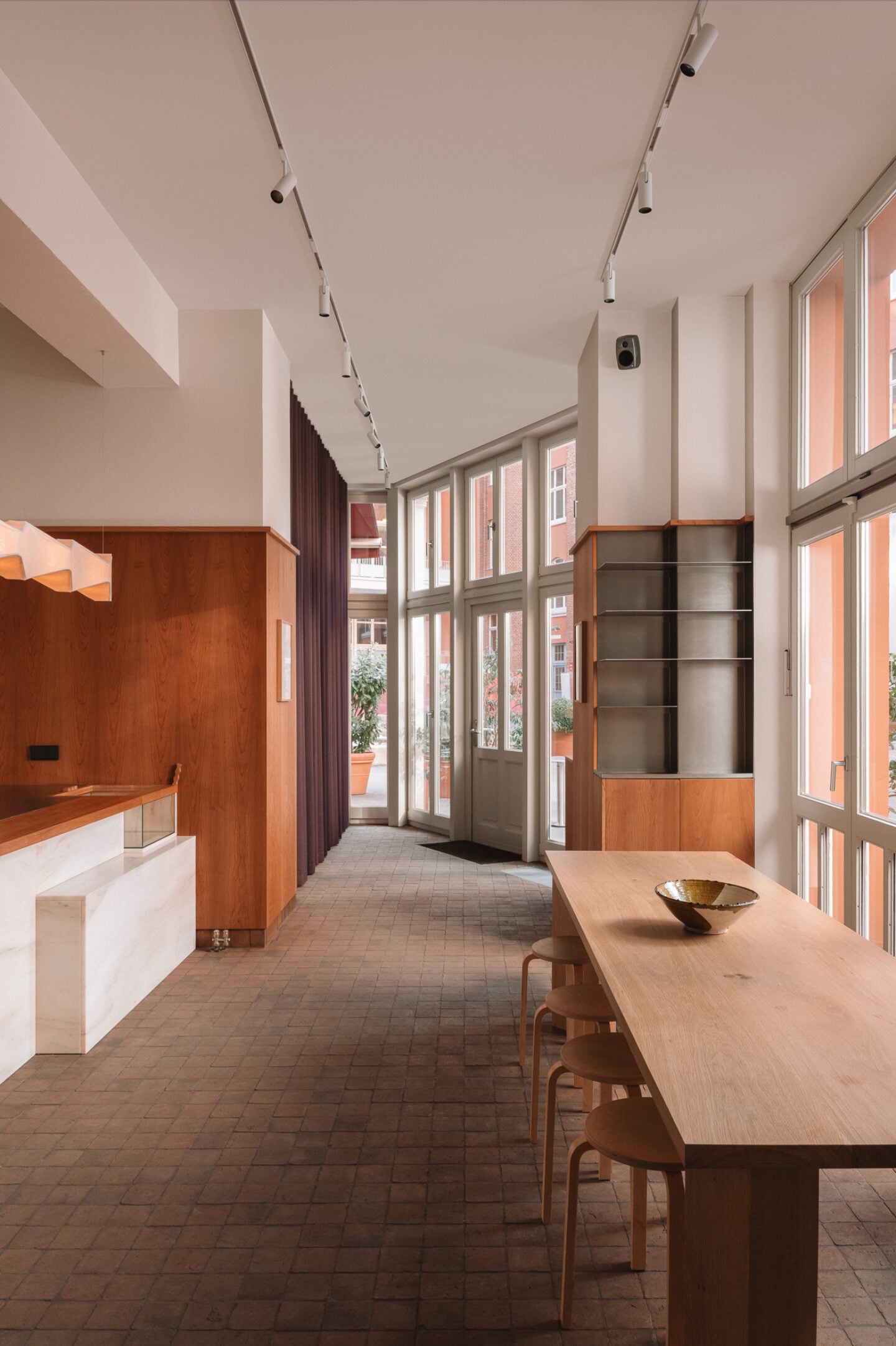
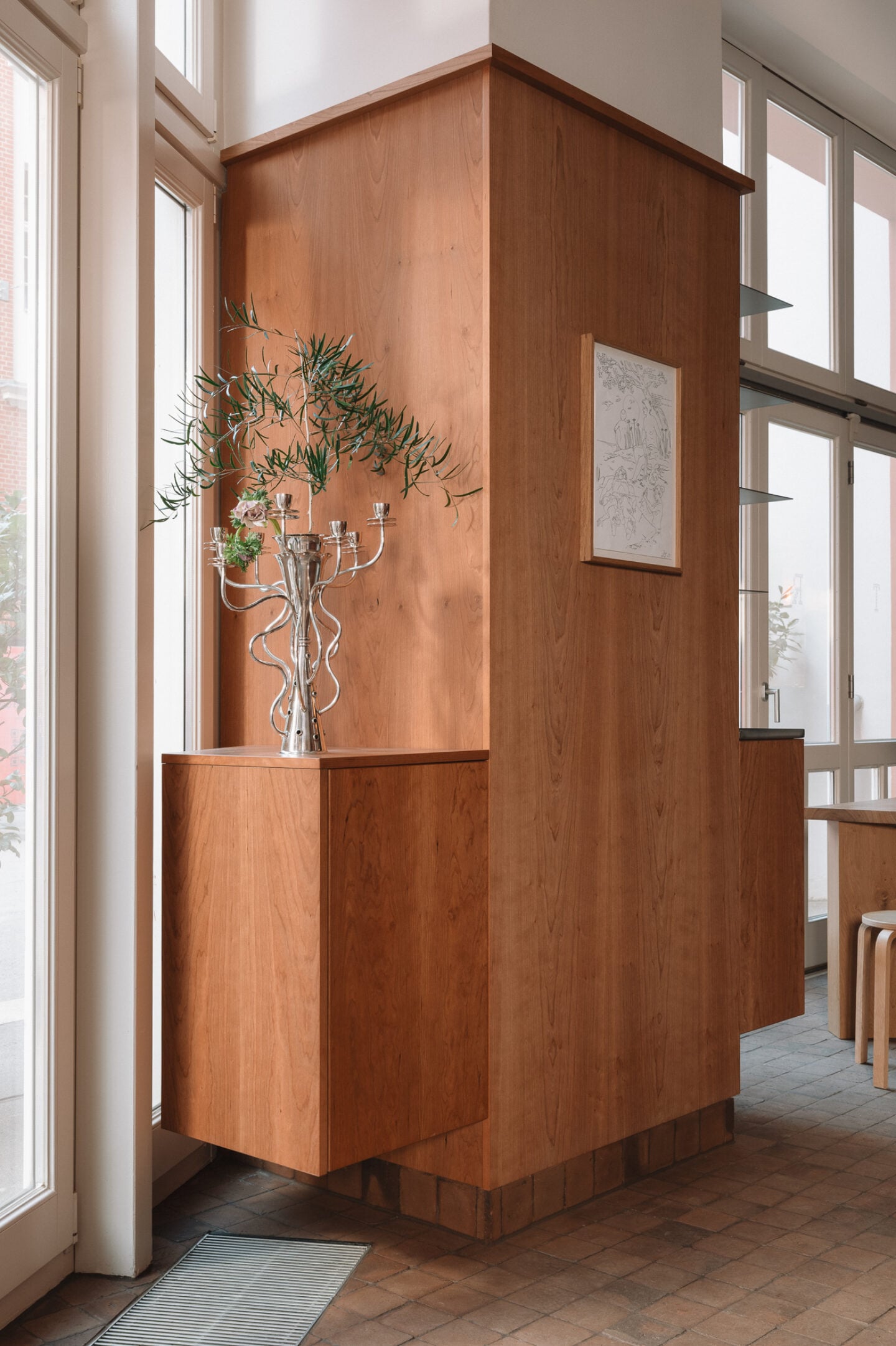
In Strom, this balance emerges through combining traditional techniques and historic elements with contemporary processes and objects. “A lot of thought went into the textures and materials,” Celeste explains. “We spent a long time selecting the marble and the wood, considering how the colours and forms would work together.” The rich darkness of the oiled cherry wood contrasts with the bright weight of the brutalist-edged rose marble counter. The tension between these elements is counterbalanced by the softness of the locally handmade terracotta tiles covering the floor.
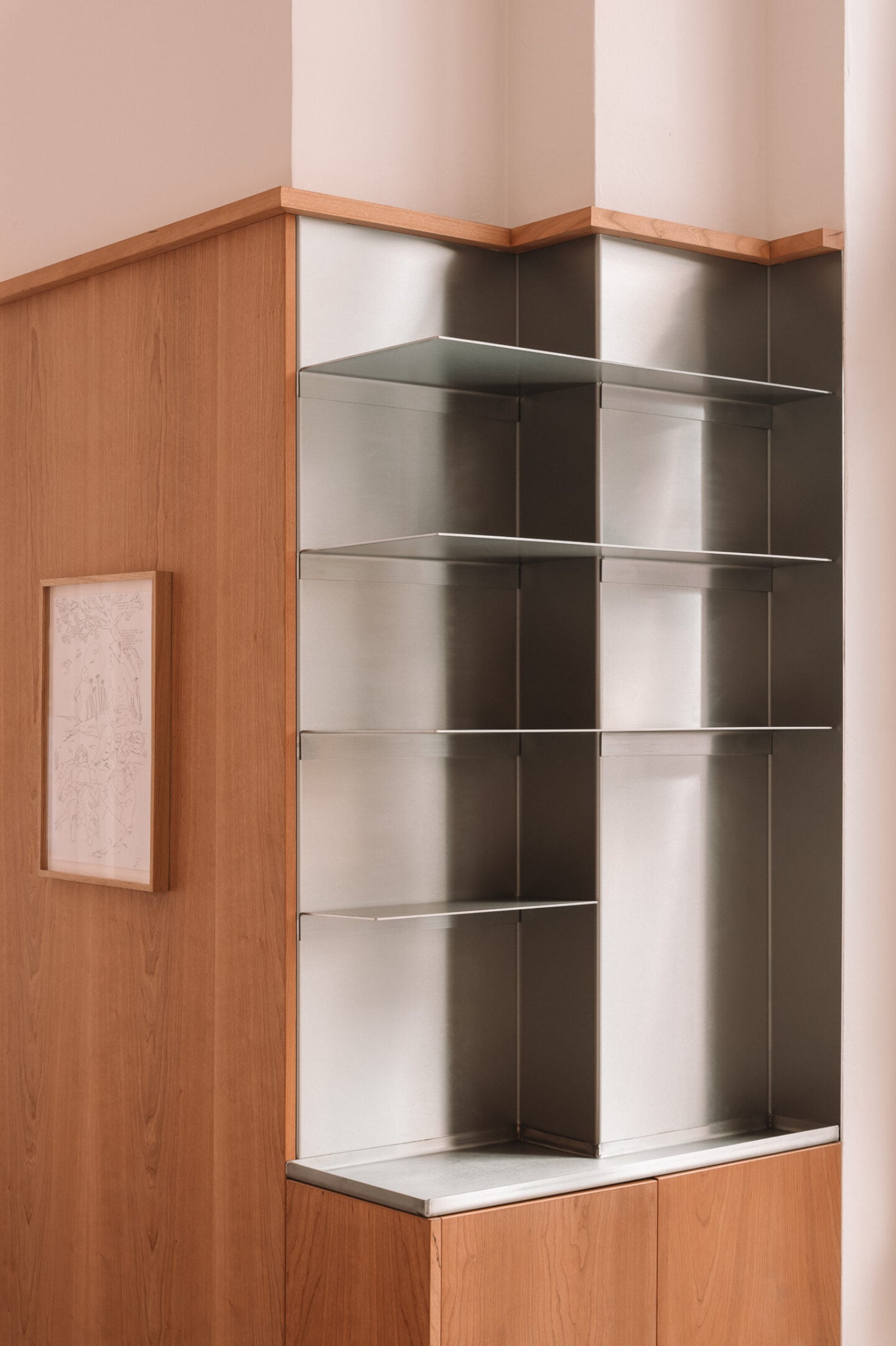
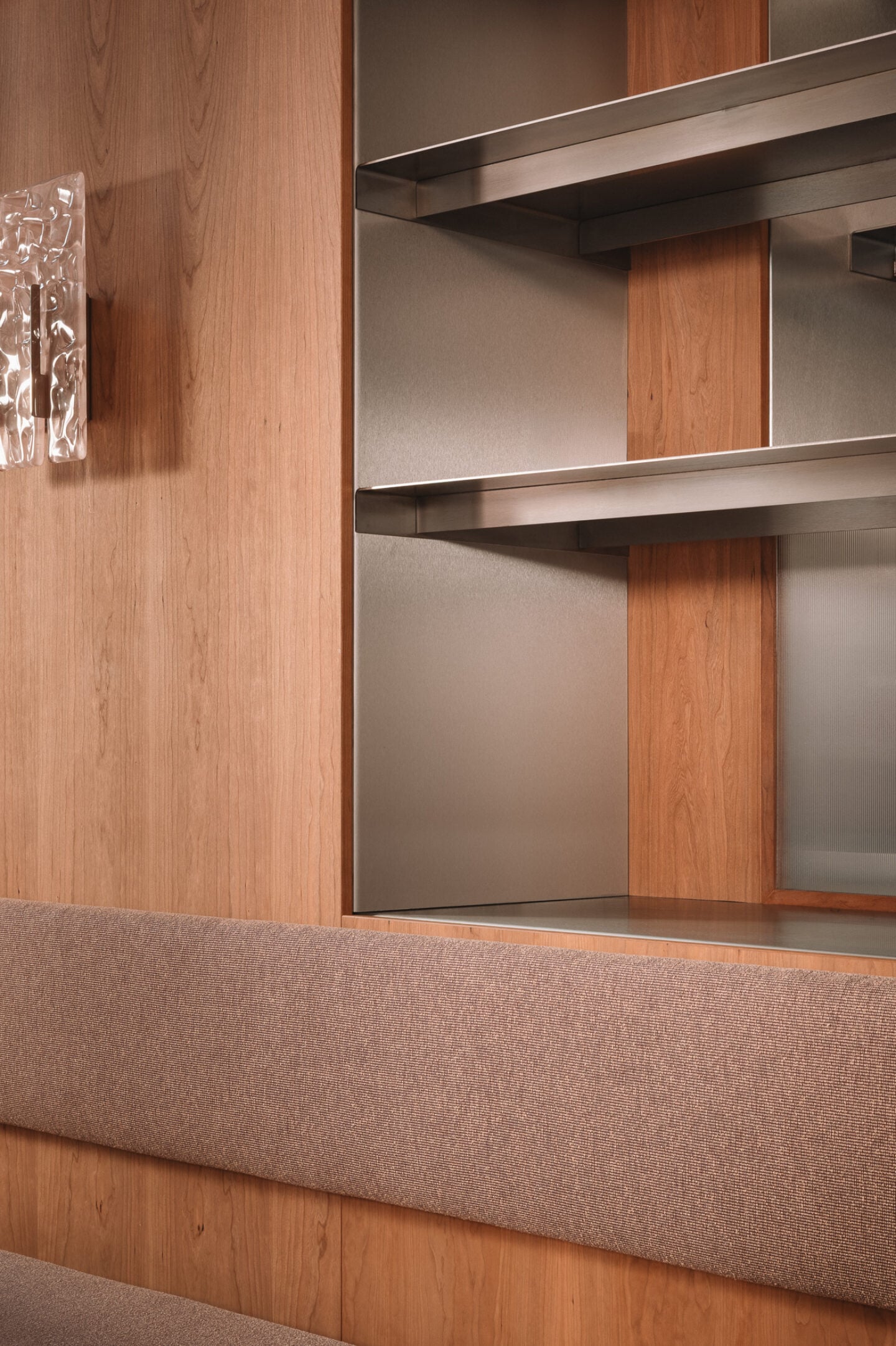
These organic materials are complemented by a range of modern finishes that lend the space a distinct character. Brushed-steel shelves, produced by Studio Ultimo alongside the wooden panelling, hold magazines and objects that Celeste sourced from local antique markets. One shelf provides a view into the kitchen, giving guests a small insight into the creation of their plates before they arrive at their tables. Another features a mirrored backing that adds further depth to the space. Milky-hued mauve tabletops, made from recycled polycarbonate ‘Karlite’ by Dutch studio Plasticiet, are grounded by wooden chairs from Form&Refine and bench seats upholstered in Kvadrat fabric.
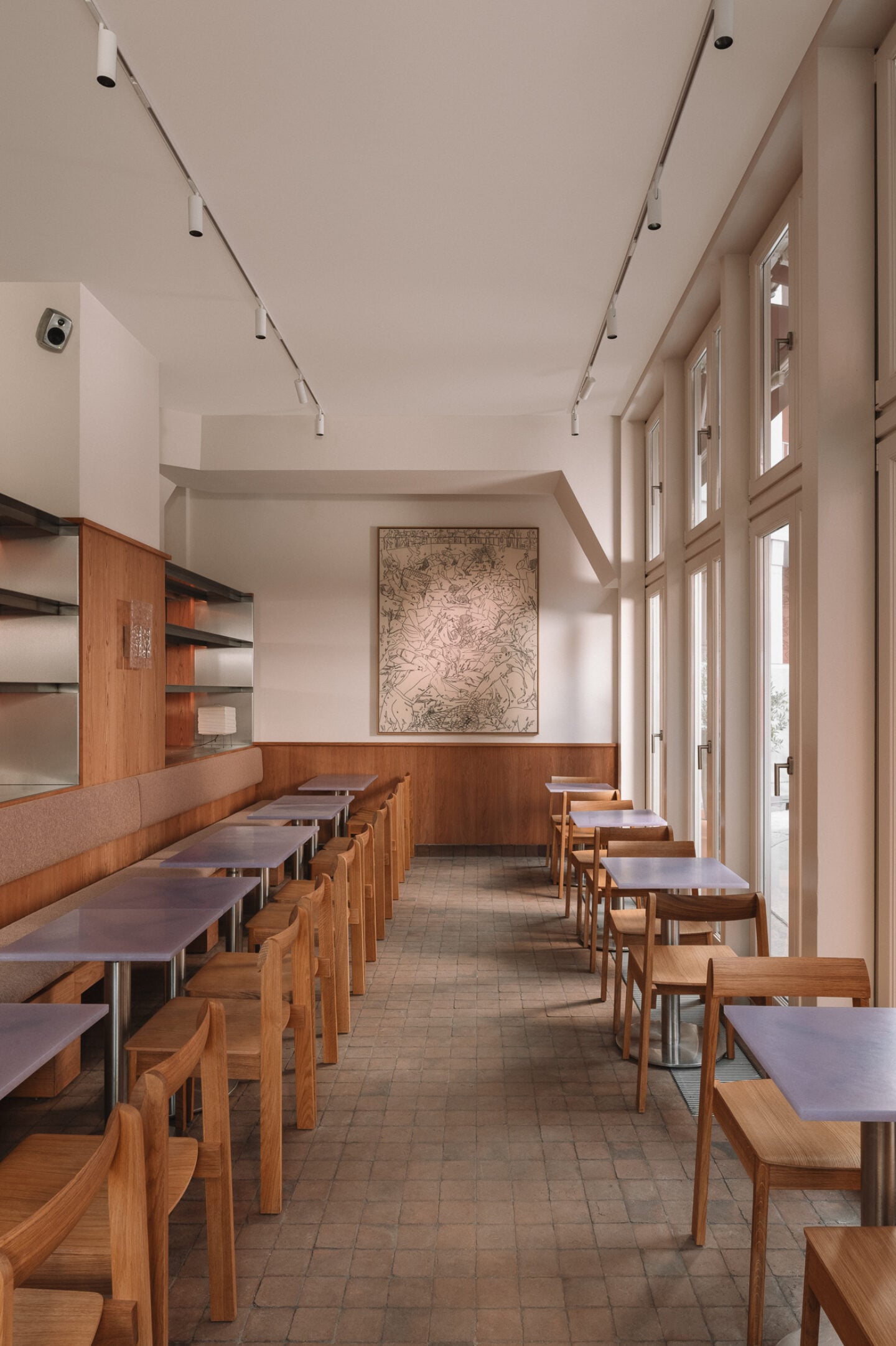
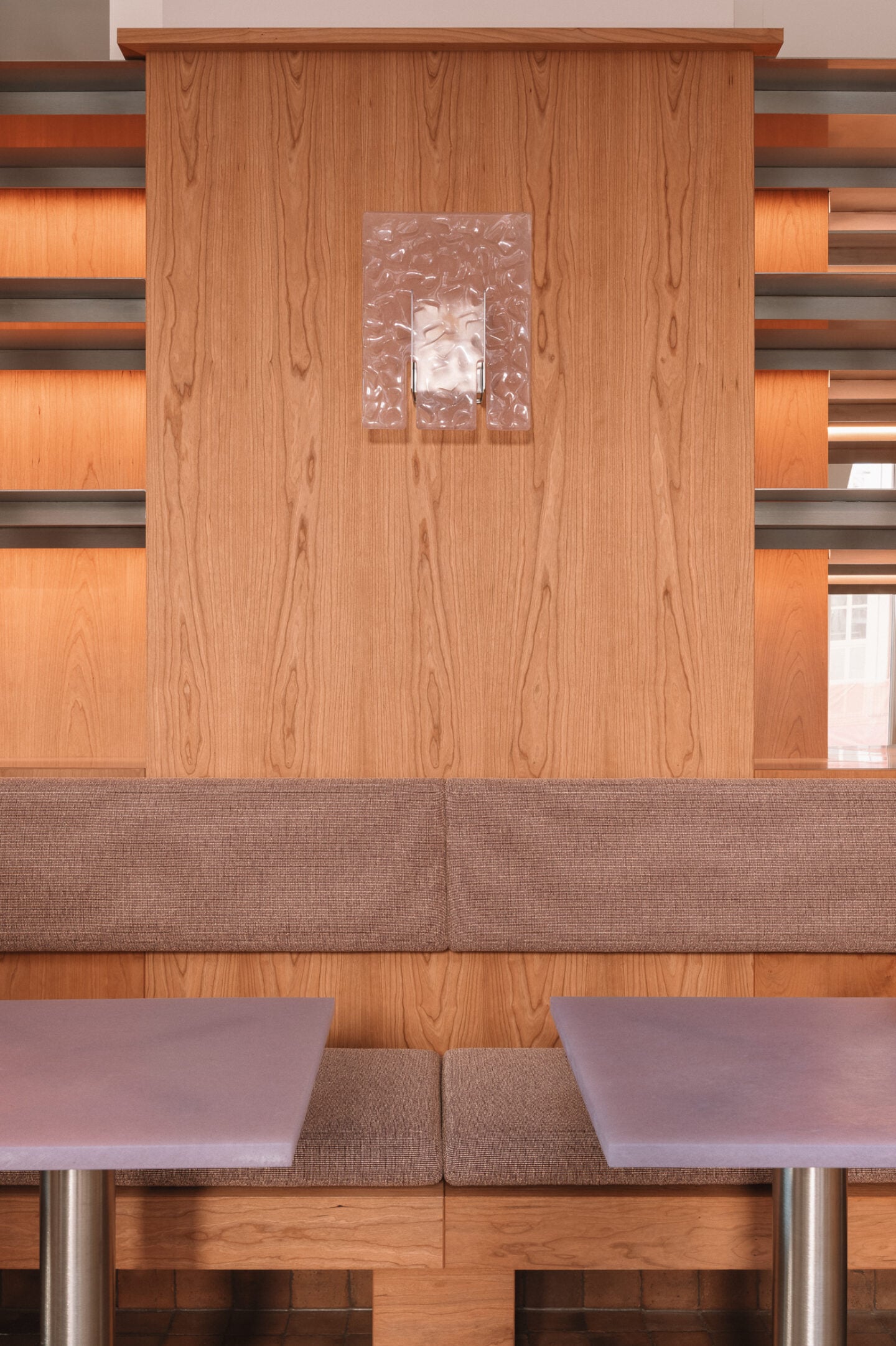
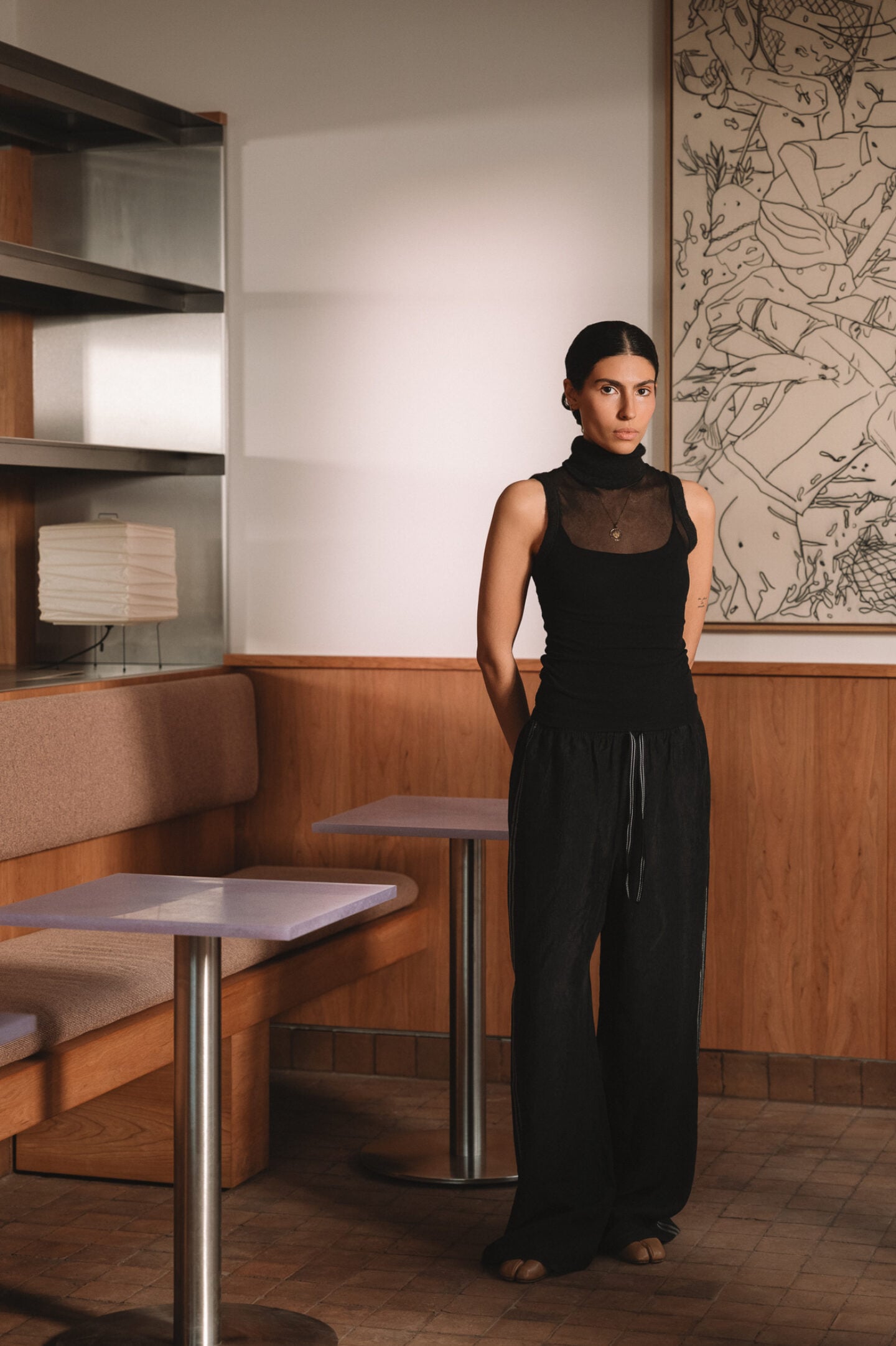
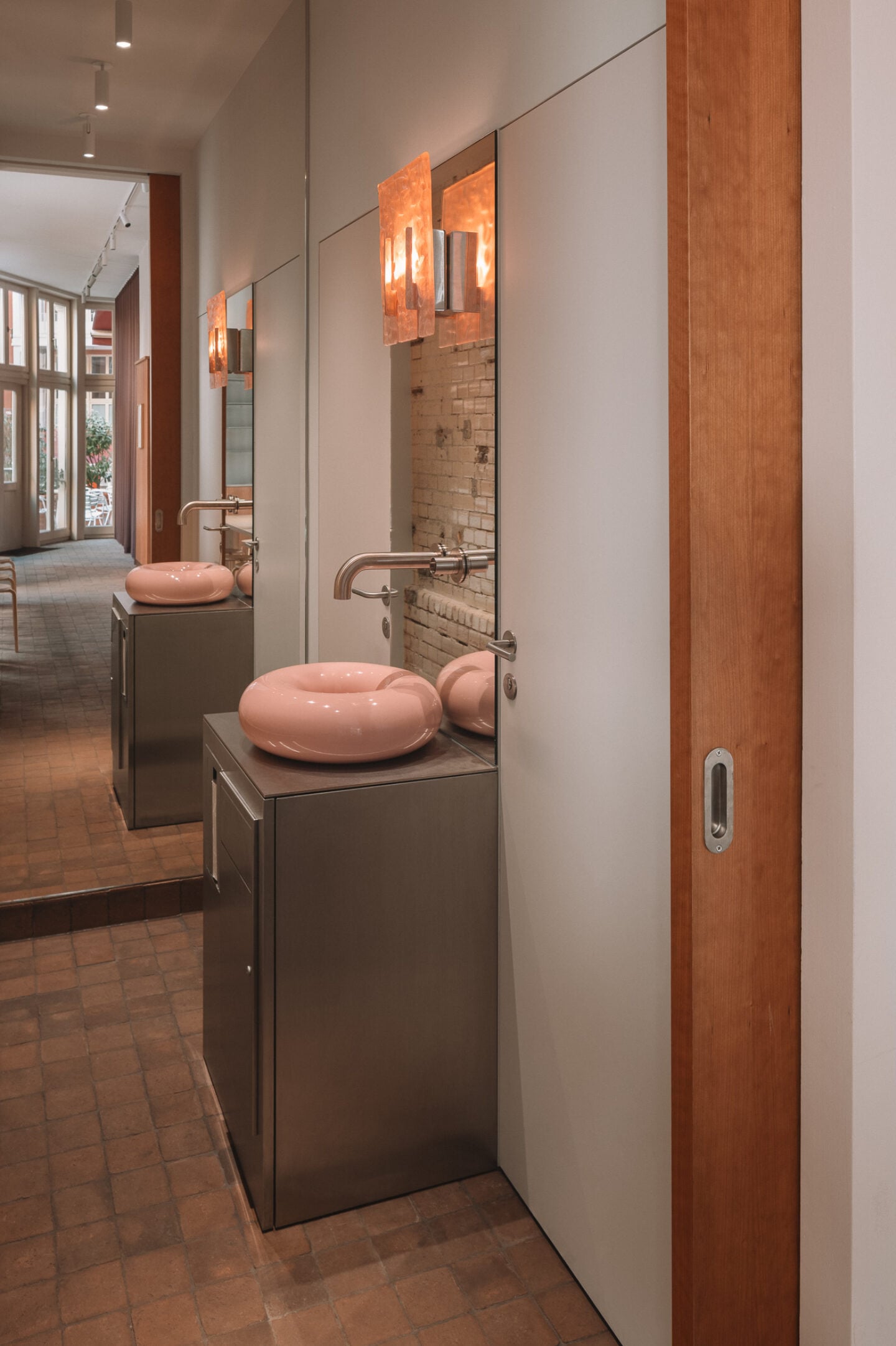
The space features concertina windows that open the café to the courtyard during warmer weather. When the sun is high, they bring ample light into the space. During the winter months, the lighting design is used for aesthetic form and atmospheric effect. Hand-textured Murano sconces from Milan-based studio 6 am cast a warm rose-hued glow across the interior. A Noguchi lamp throws papered light from the shelves, and a faceted pendant by Asca Studio draws the line of sight to the coffee bar below it.
Though the interior is undoubtedly elevated, it is not without a sense of play. The bathroom has been completed with a bulbous, bubble-gum pink sink, which Celeste tells me the tradesmen laughed at while installing it. The walls are hung with black-and-white line drawings by Berlin-based artist David Schiesser, the largest of which depicts a frenzied moment in which fish fly from hands and nets—a nice nod to the wider narrative of a harbour and its flow. “I think it’s important to have fun with design in an authentic way rather than including things because you want to be daring,” Celeste notes.
In doing this, she has created a space that is refined but character-filled. Where the flow of people gives form to the design, helping it reveal its meaning through use. “I really dislike the term third place,” she continues, “it’s so overused. But you do want to create a space where you feel comfortable and welcome, whether that’s through the lighting, table and chair height, seat depth, or the kinds of setups people can settle into. Because some people are just here for a quick coffee. Maybe they just wait until their sandwich is grilled. Maybe they want to work a bit on their laptop. Different people want different things, and you need to cater to all of them.”
Images © Clemens Poloczek | Text: Rosie Flanagan