House Zafari: Studio Penzlien and Maj van der Linden Reframe Berlin Living
- Name
- Sohrab Zafari
- Project
- House Zafari
- Images
- Clemens Poloczek
- Words
- Anna Dorothea Ker
In Berlin’s diplomatic center, not far from Unter den Linden and the Brandenburg Gate, a new interior offers an unexpected lens onto domestic life in a district defined by ministries and embassies.
Conceived by architect Sohrab Zafari and furnished by Ilke Penzlien of interior design practice Studio Penzlien together with gallerist and curator Maj van der Linden, the space steps away from the conventions of a typical show apartment. From its position between curated setting and living environment, House Zafari presents a distilled vision of how architecture, contemporary craft and material intelligence can make the most unexpected of settings feel like home.
A Layered Architecture
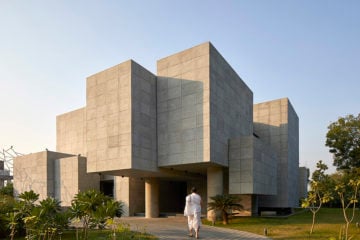
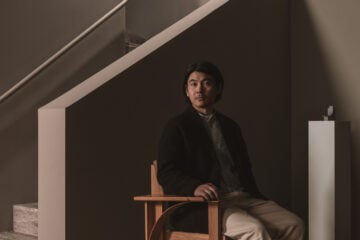
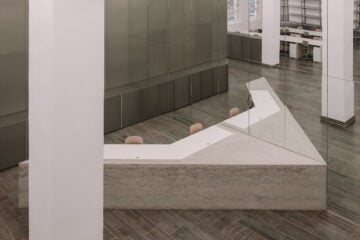
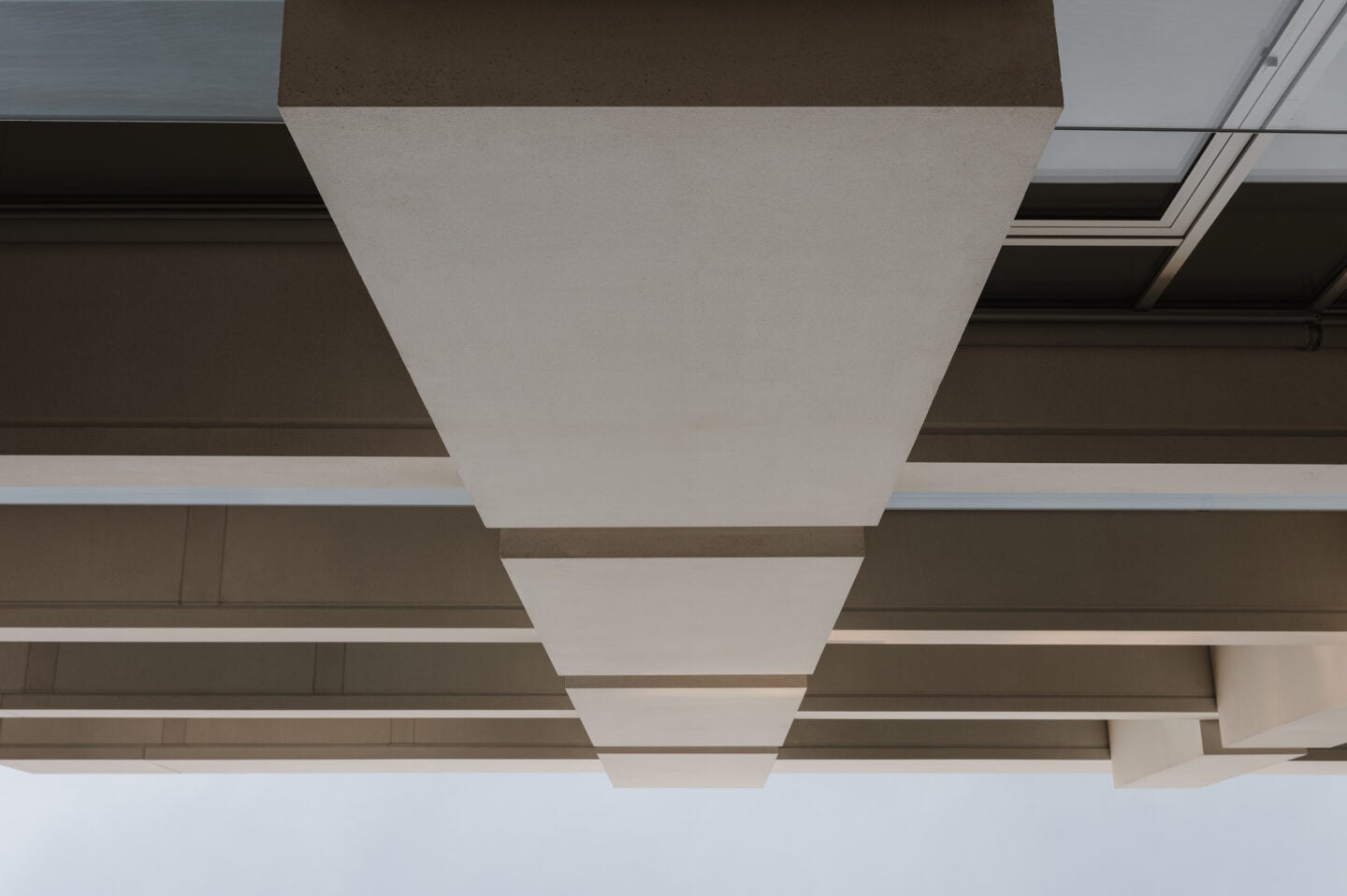
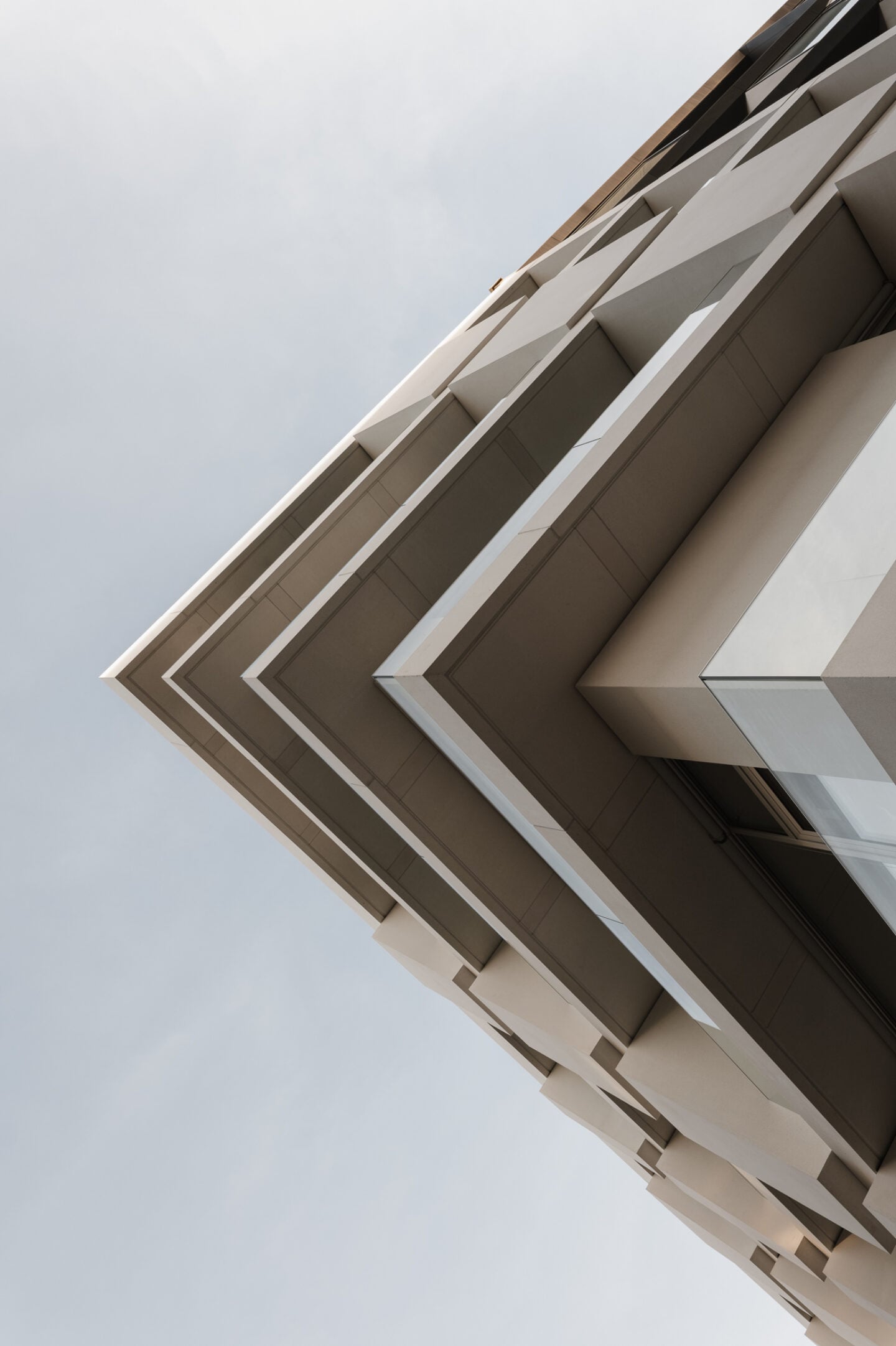
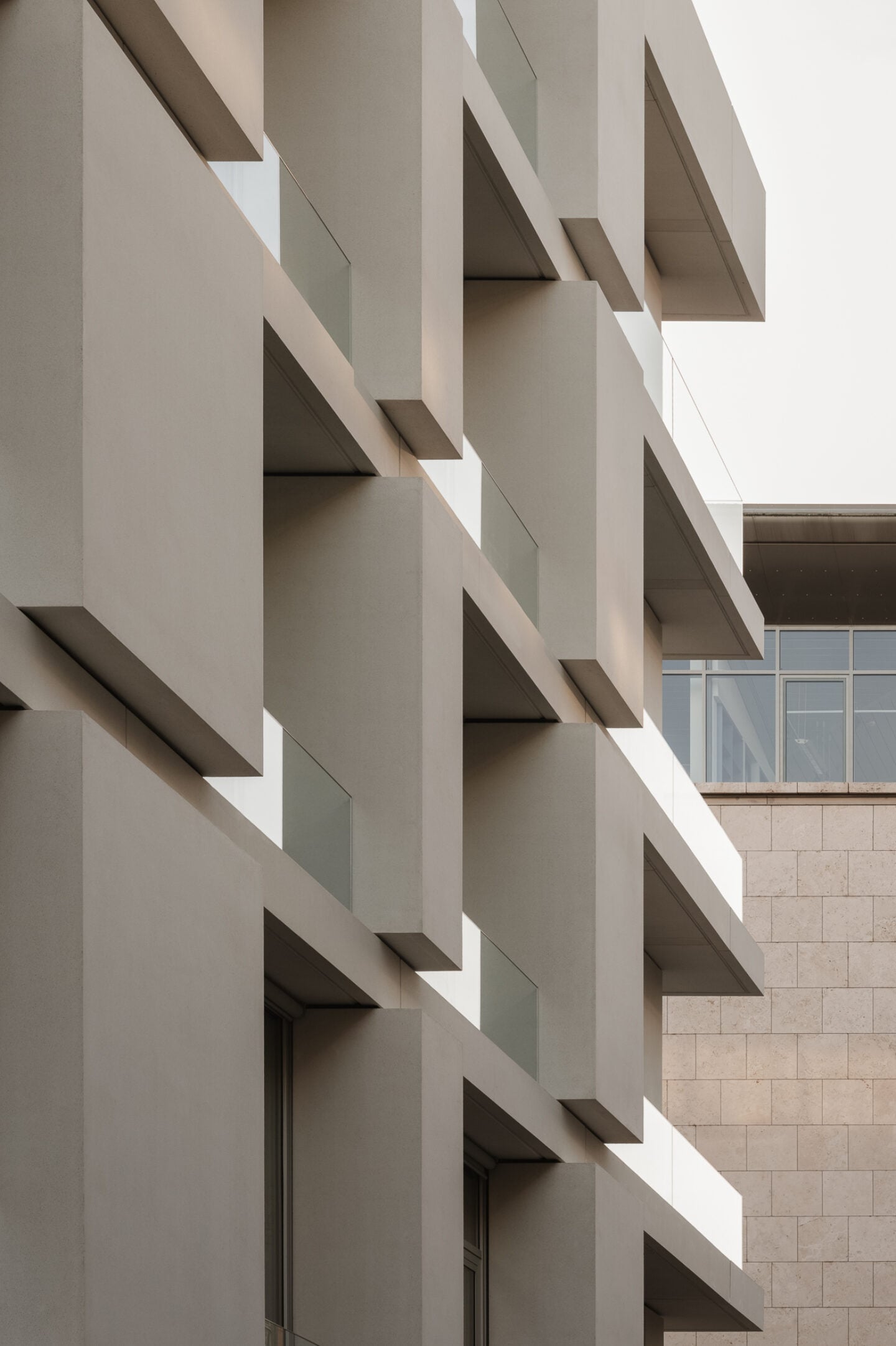
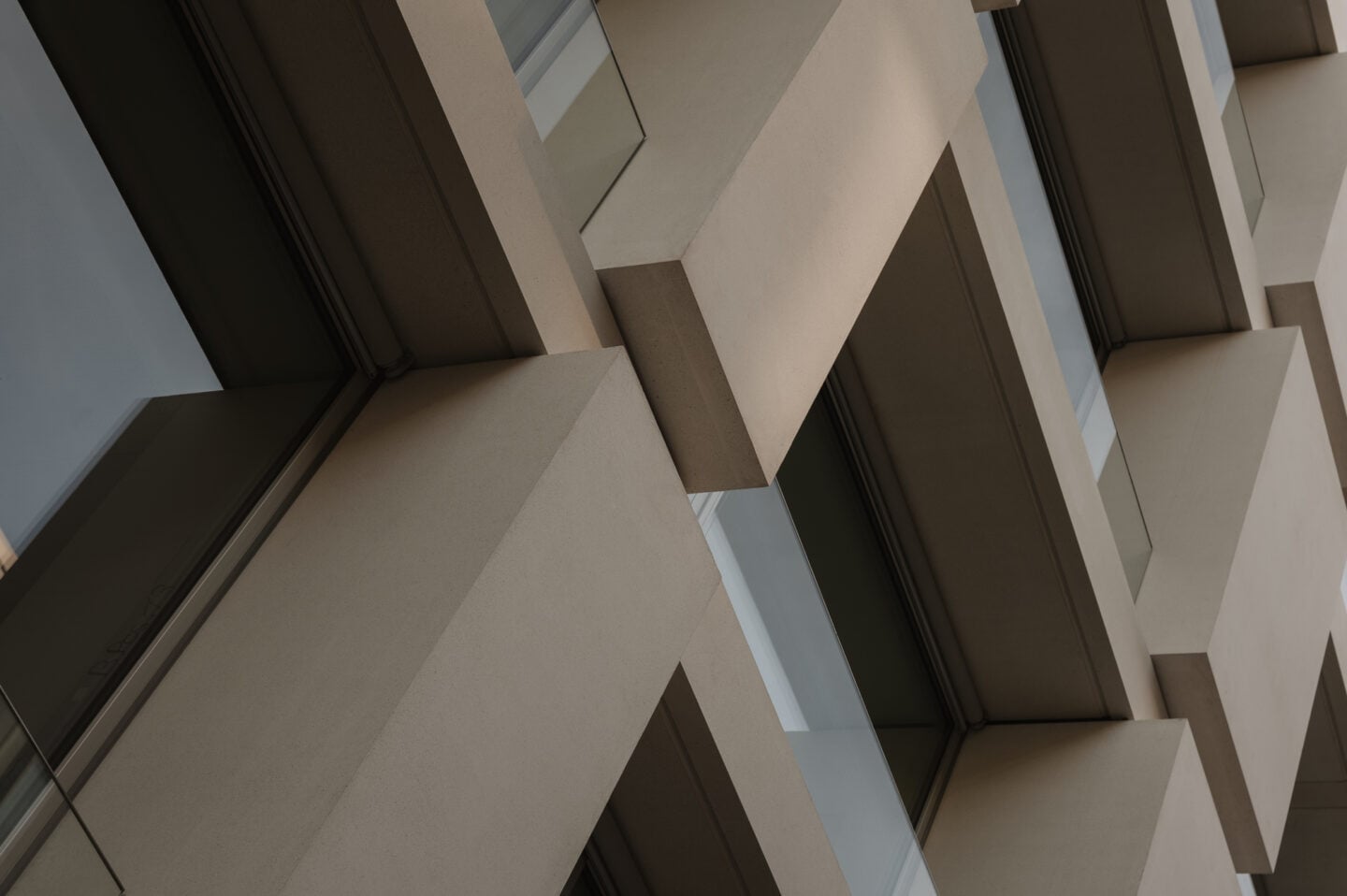
For Zafari, House Zafari’s Schadowstrasse location made for a charged site. “The design was strongly informed by the depth and ambivalence of the site’s history,” he says, describing it as “a place marked by rupture, political shifts, splendor, destruction, as well as freedom, hope and new beginnings.” Rather than mute these influences, he sought to give them spatial expression. Horizontal slabs and offset concrete blocks set the structural language of the house. Each block encloses functional elements such as kitchens or wardrobes and aligns with exacting rigor while retaining a sense of sculptural autonomy.
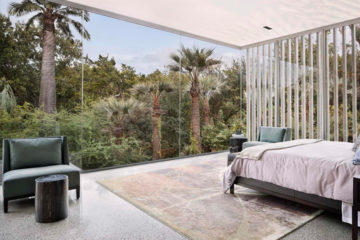
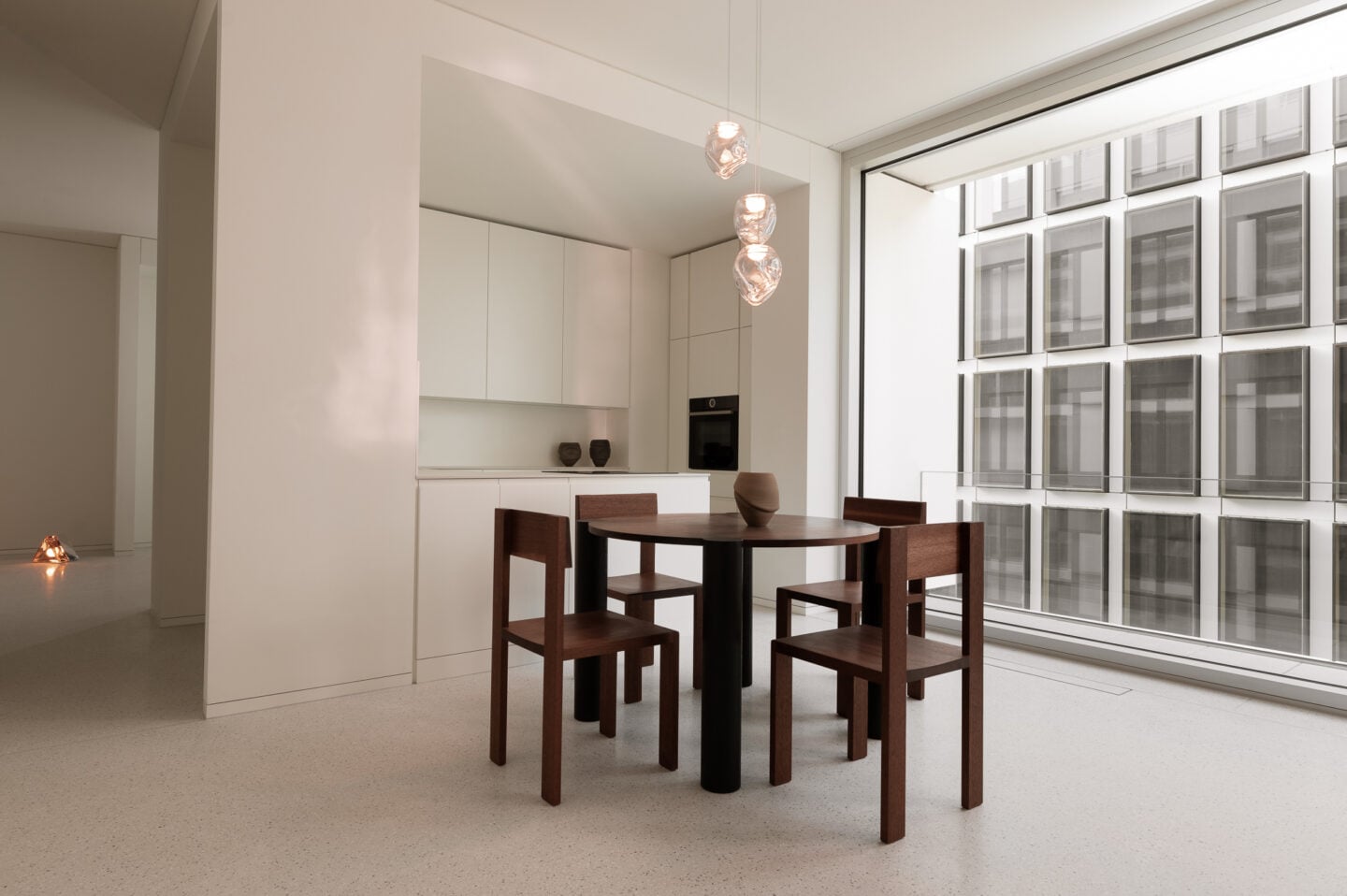
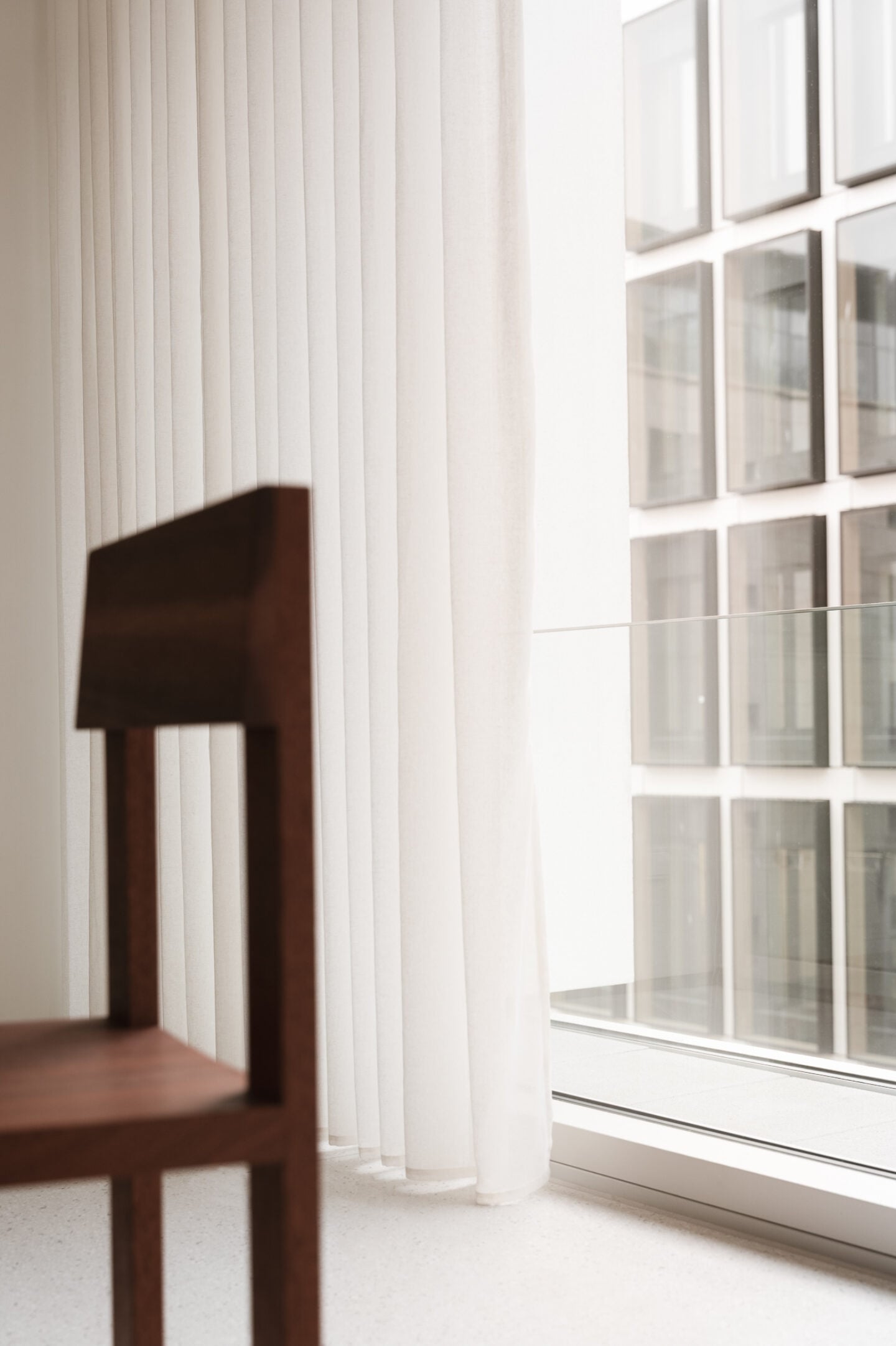
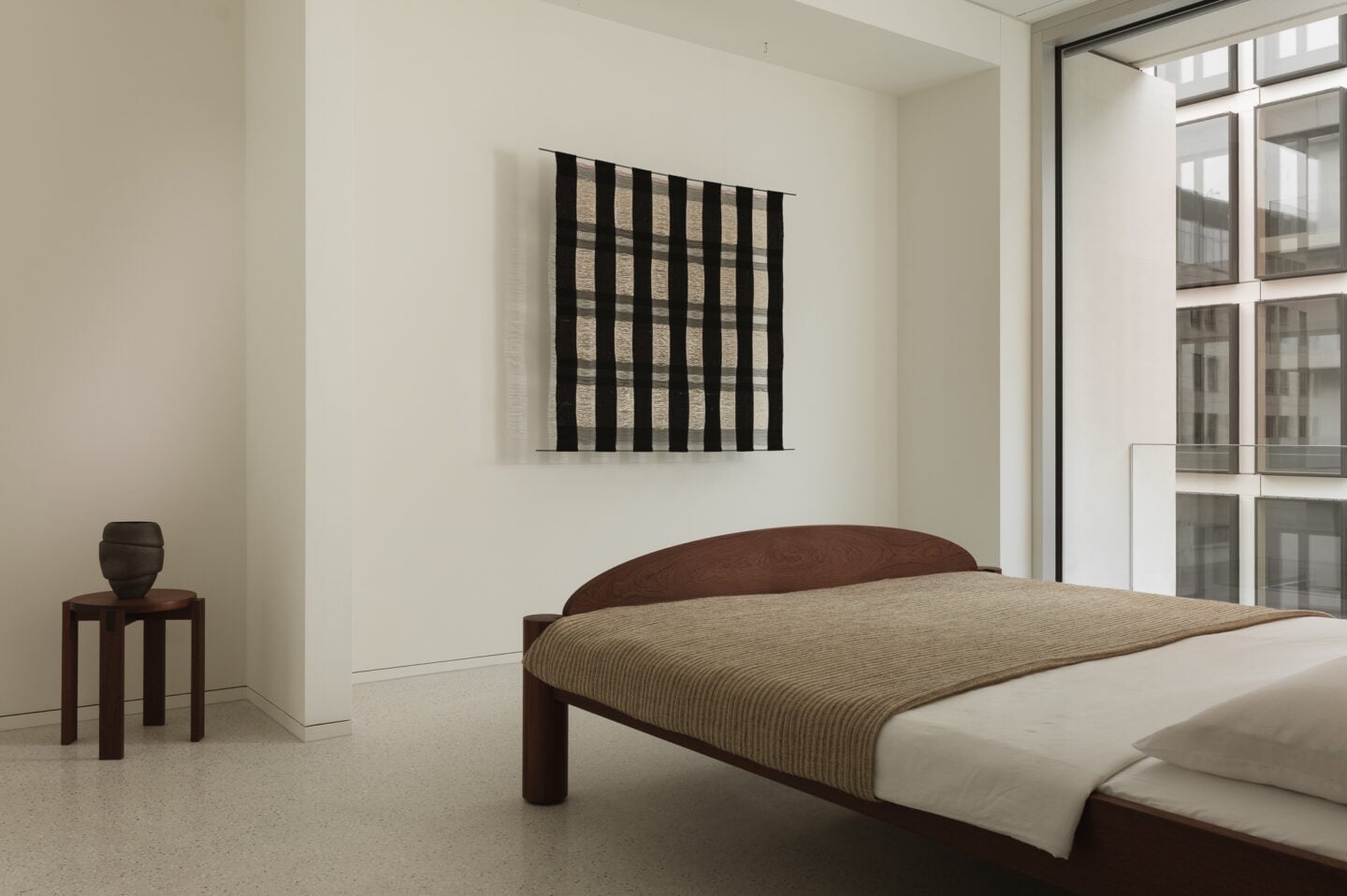
“Everything is interconnected,” Zafari explains. Recessed loggias draw daylight deep into the plan, and full glazing establishes unbroken transitions between inside and outside. The subtle cantilever of the blocks and their rotation at the building’s corner give the façade an enigmatic quality visible from the street, setting the tone for a composition with presence and depth, attentive to its context and sure of its architectural voice. Inside, terrazzo floors draw the rooms into unity with the concrete façade, lending a coherent tone.
Setting the Stage
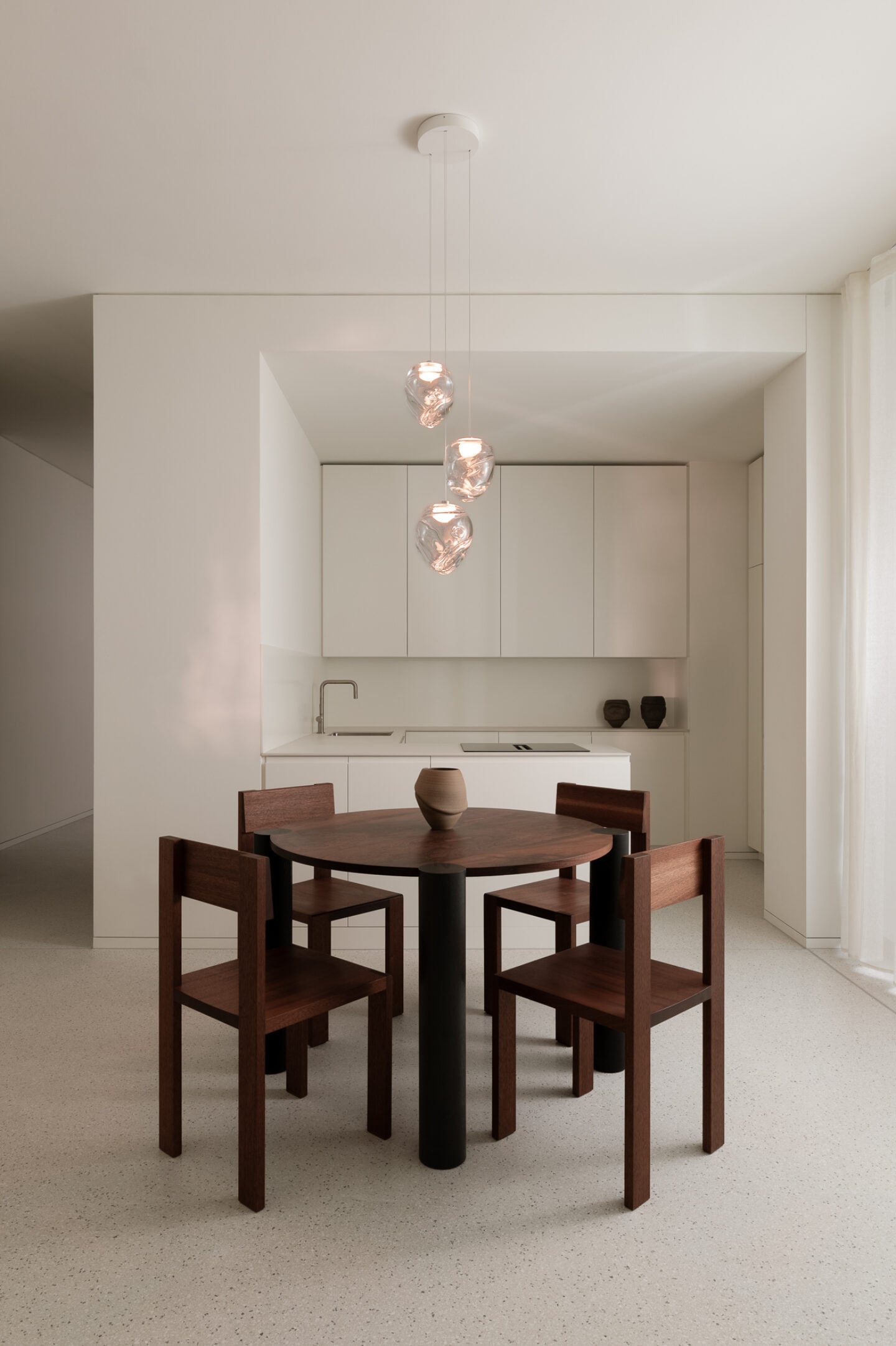
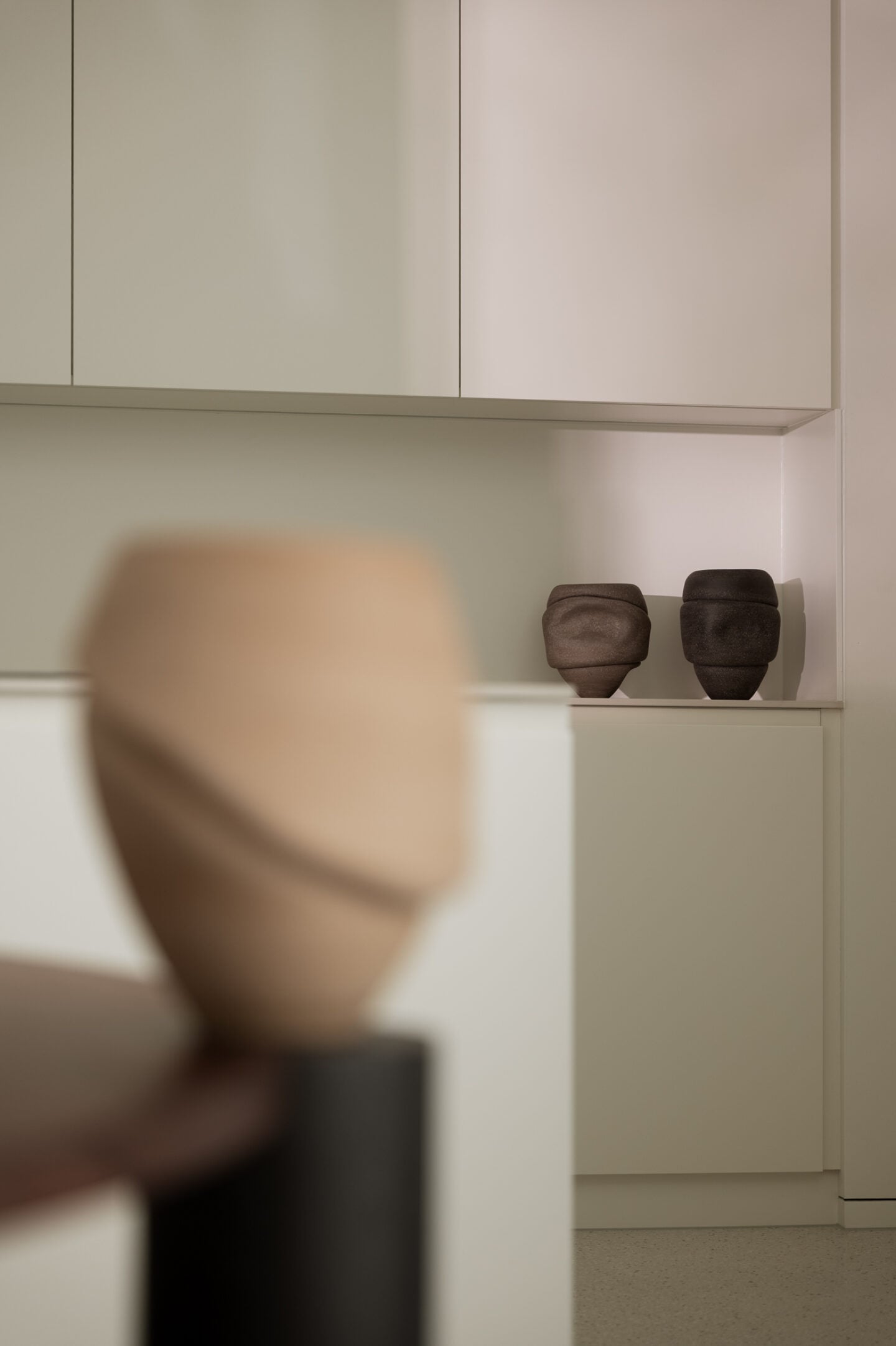
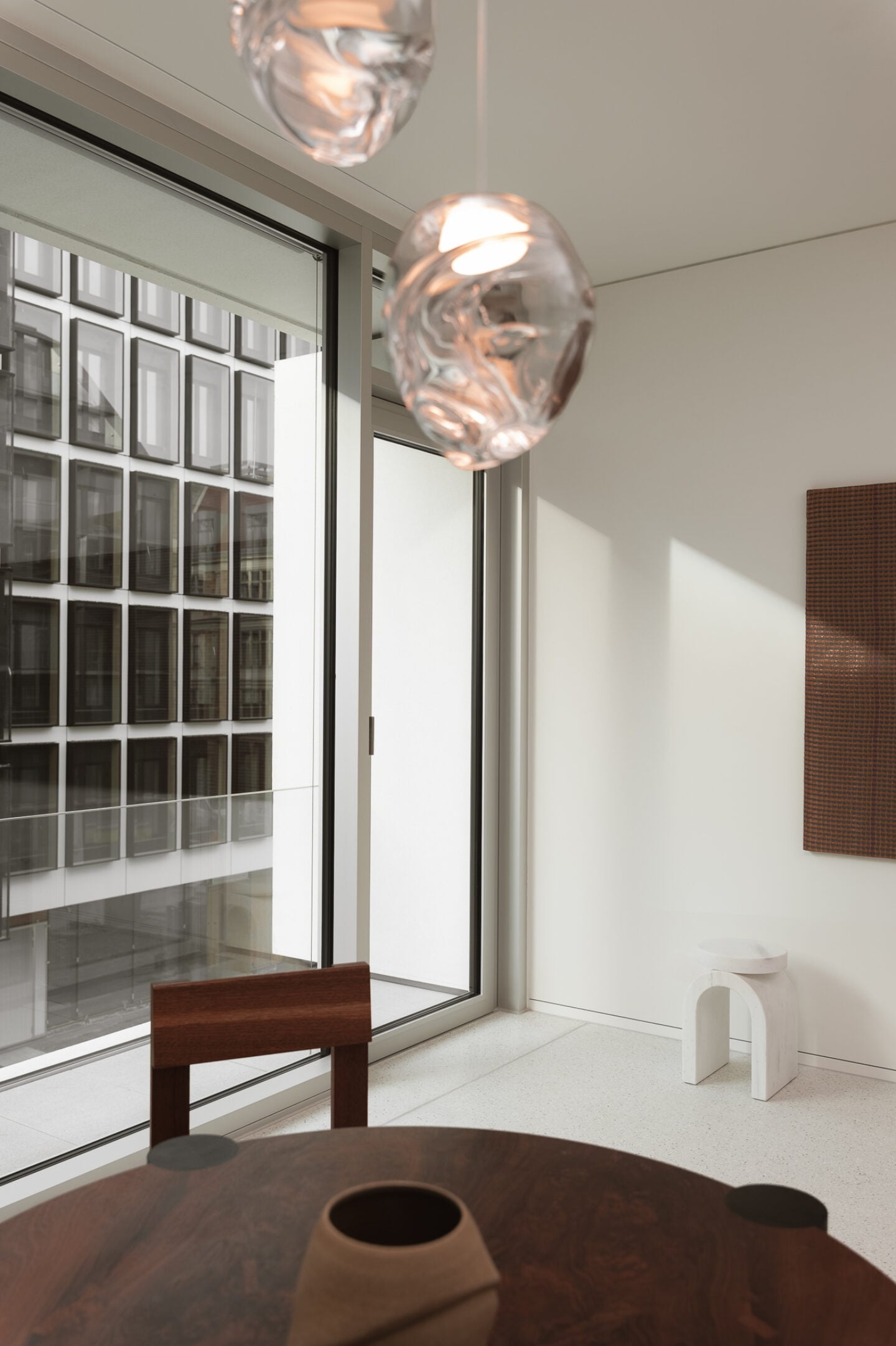
On receiving the commission to furnish one of the units as a show apartment, Ilke Penzlien invited Maj van der Linden to co-curate the space. Their shared intention was to introduce material richness and texture that could balance the building’s pale interior palette. “It is not a typical neighborhood for living,” Penzlien notes, describing the office façades visible from inside. The furnishings needed to counter the surrounding formality while respecting the openness of the architecture. Penzlien sensed the project called for pieces with a distinctive character rather than the usual design classics. “The furniture needed depth,” she notes. “Pieces with material character and substance.”
Working with van der Linden enabled that depth, thanks to a selection drawn from makers tied closely to Berlin’s creative community and to the gallery’s forward-looking program. Together, they approached the as both an inhabitable setting and a showcase for local contemporary craftsmanship, reflecting van der Linden’s curatorial focus on local makers.
The Tactile Register
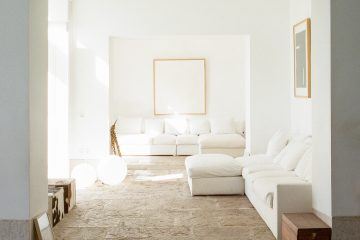
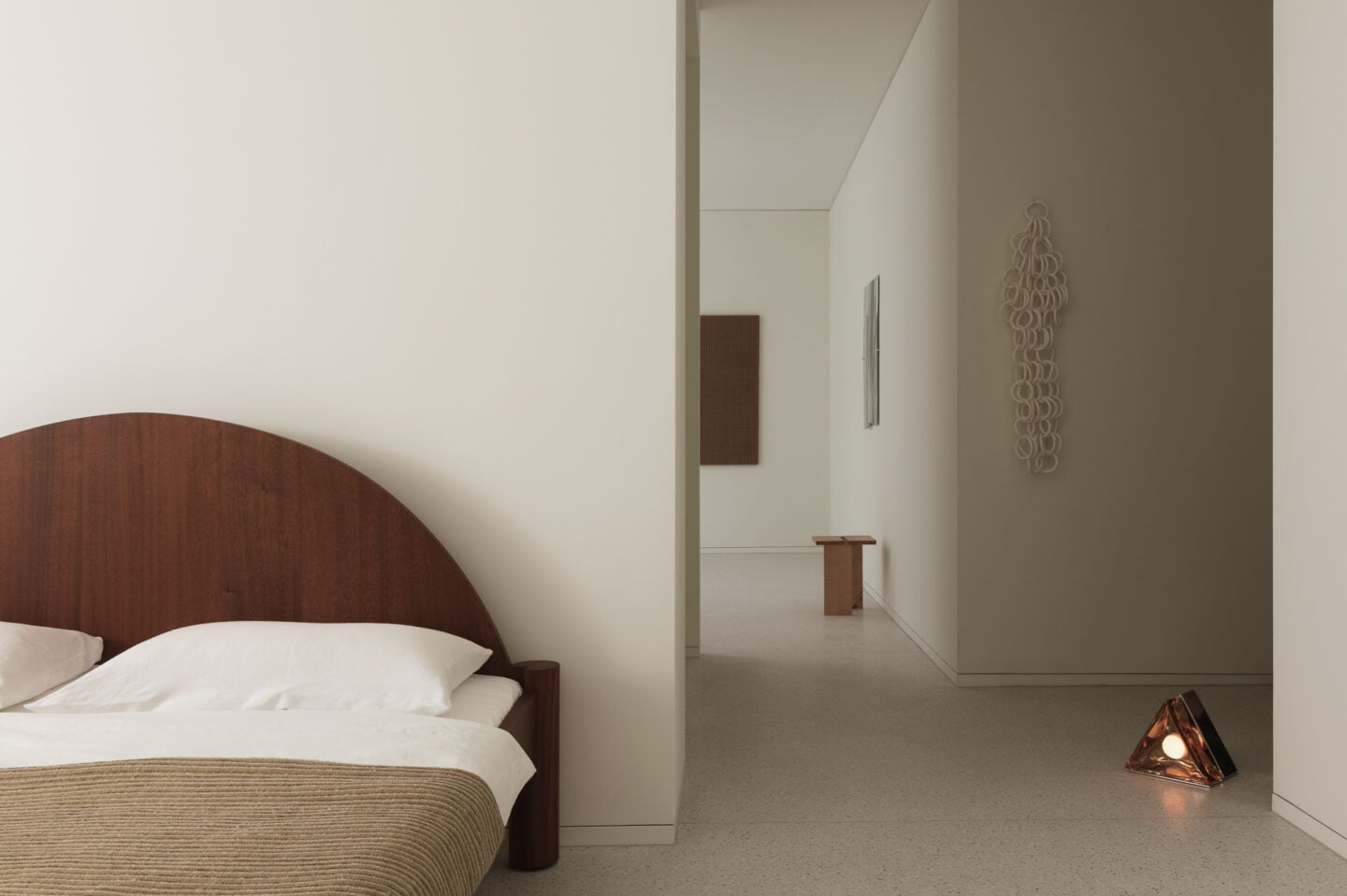
The apartment occupies a position between lived space and curated environment. “An open arrangement that leaves room for interpretation,” is how Penzlien describes it. Its floorplan unfolds from the inside out. Visitors enter at the center, with the living area and kitchen arranged to one side and the bedroom to the other. A generous bathroom precedes the bedroom, and a balcony spans the width of the rooms—features whose proportions lend an impression of breadth that exceeds the square meter count.
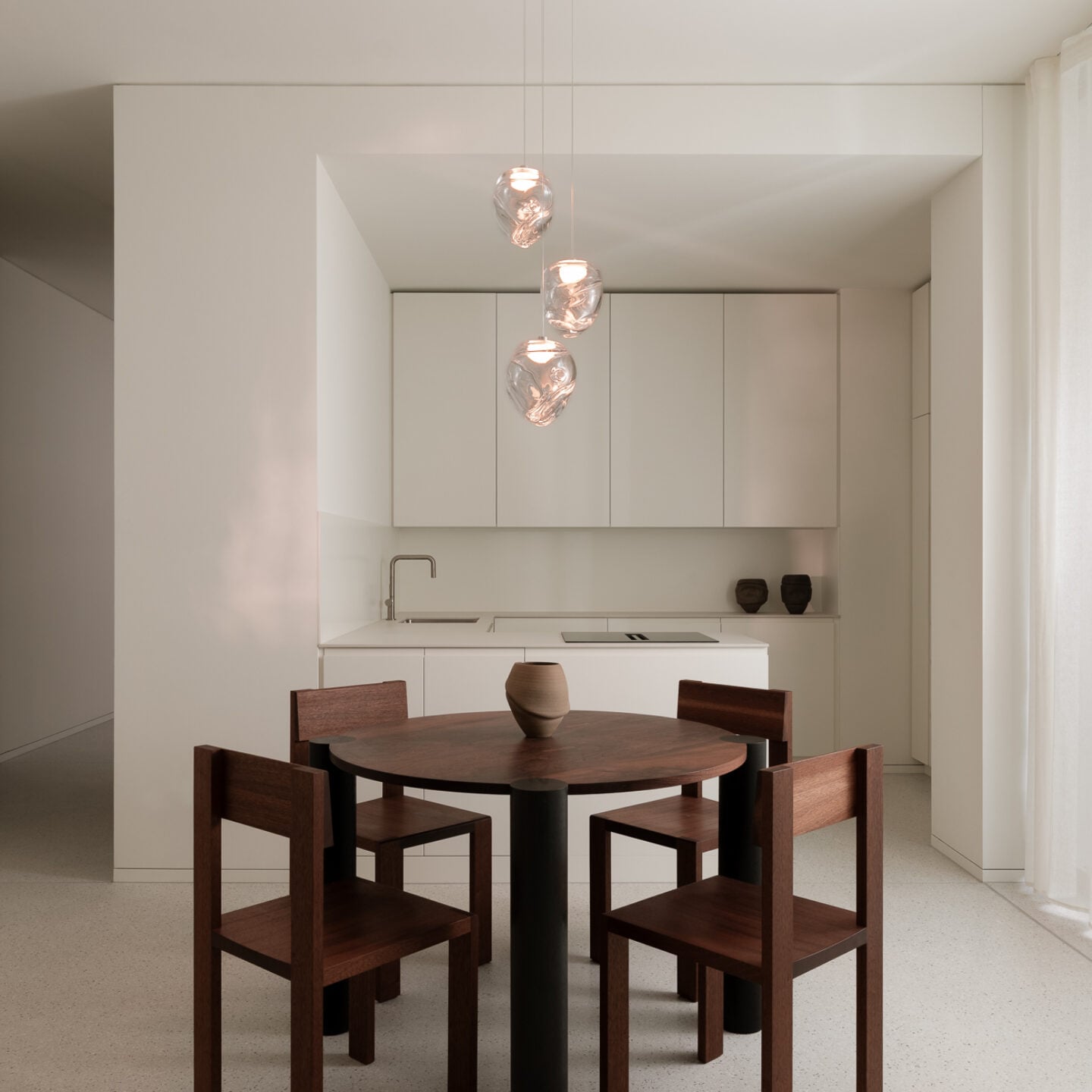
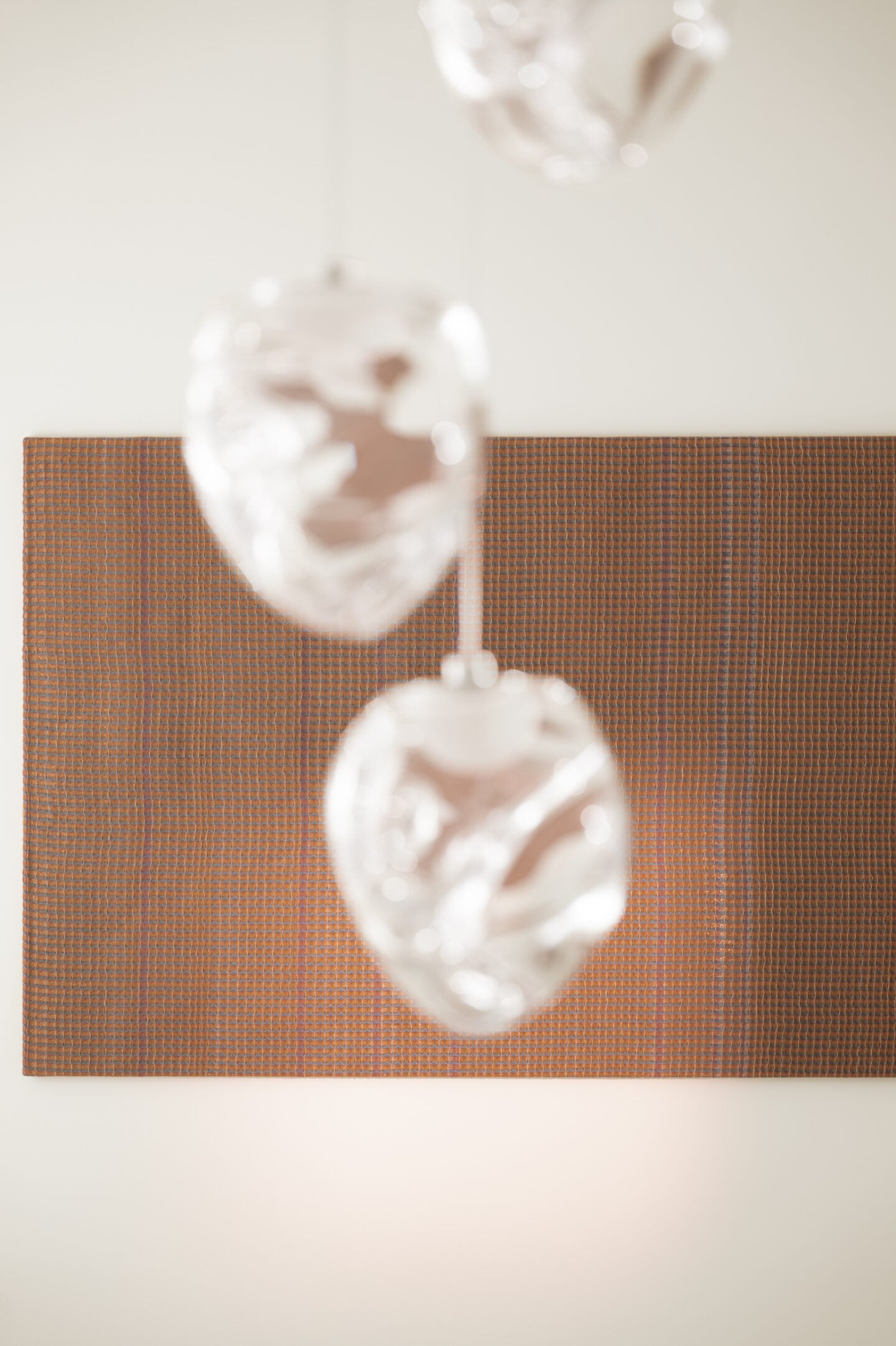
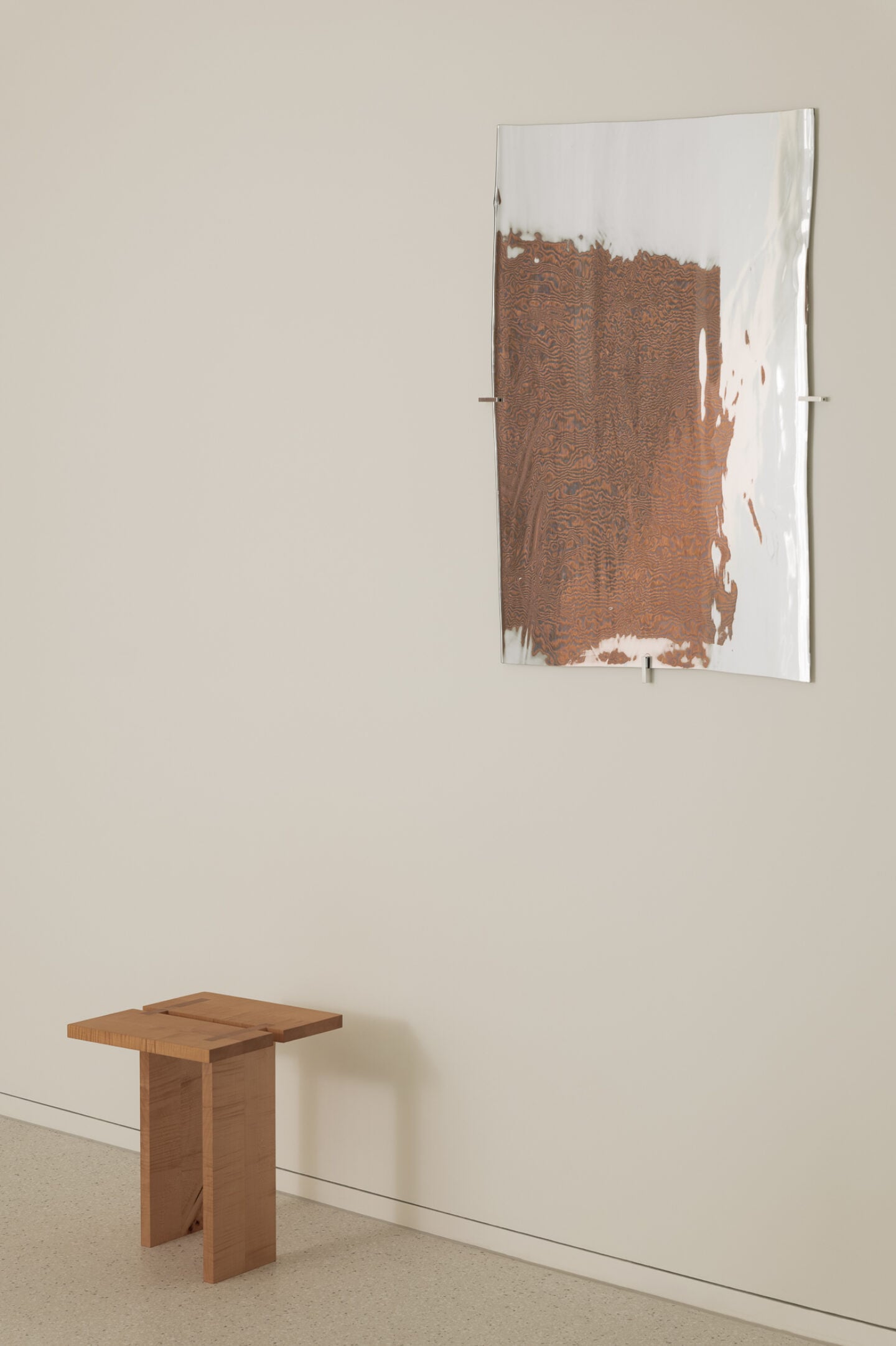
The lighting plan heightens this quality, introducing warmth through pendant and floor lamps that counter the institutional façades beyond the windows. “The lighting added an emotional layer the architecture welcomed,” she says. ‘Analog Glas’ contributes the ‘Omam’ pendant light, the ‘Initï’ mirror and the ‘Lola’ floor lamp. Their mouth-blown surfaces introduce tactile irregularities that respond to Berlin’s changing daylight while “softening the strict grids outside,” as Penzlien puts it.
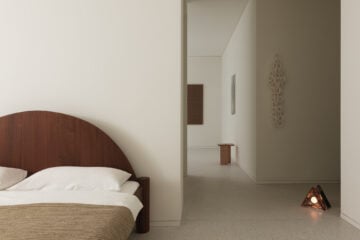
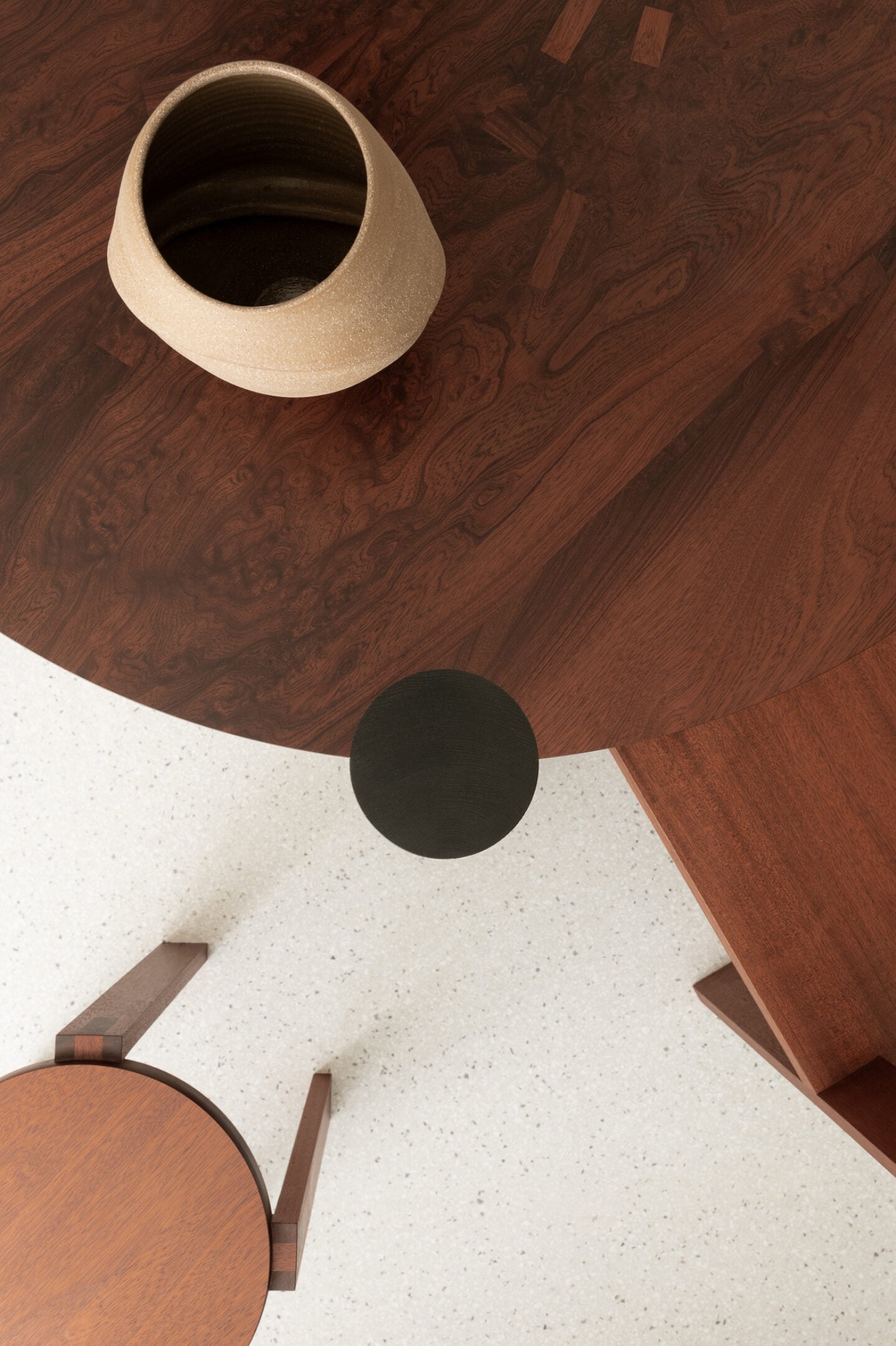
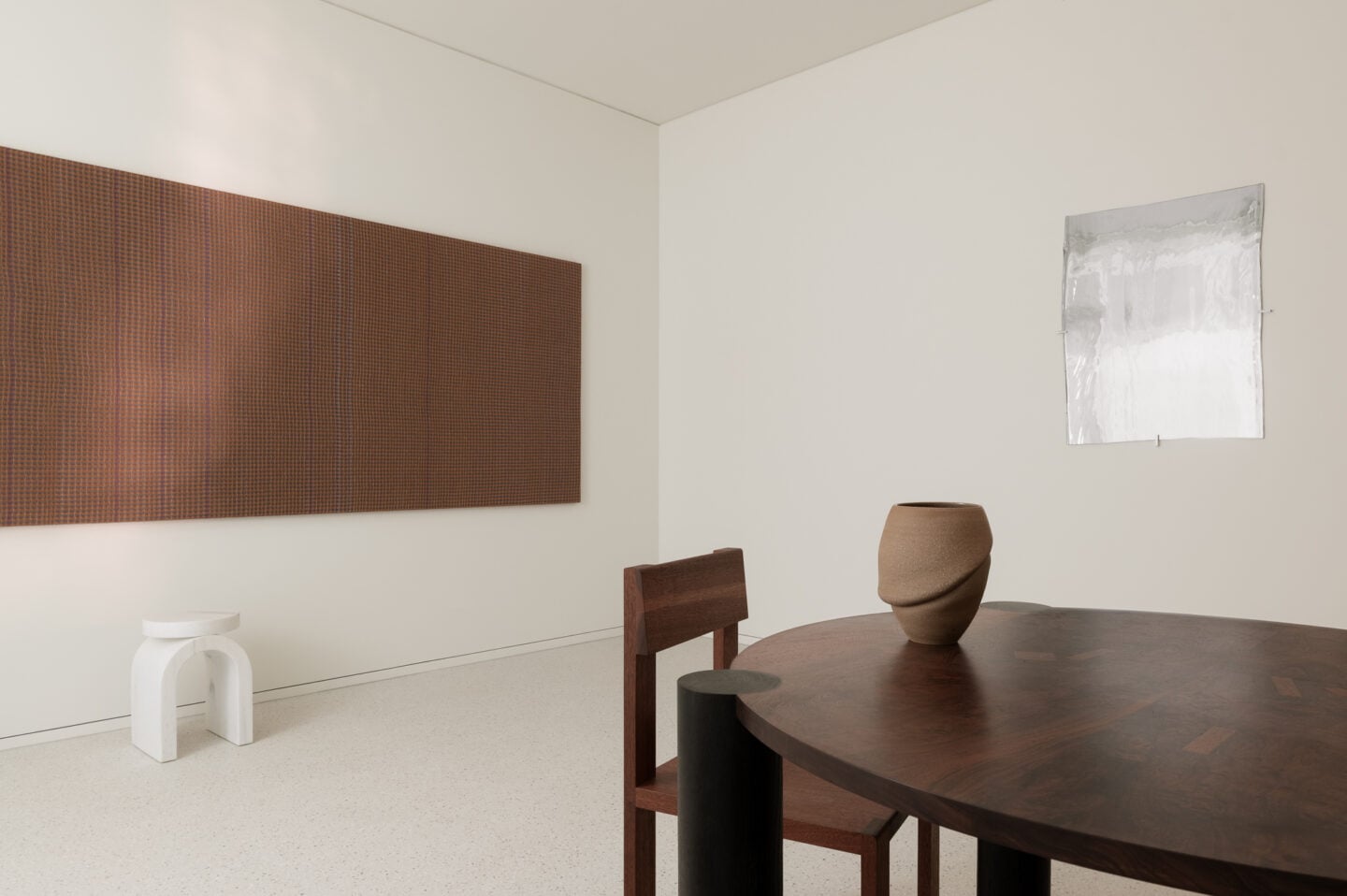
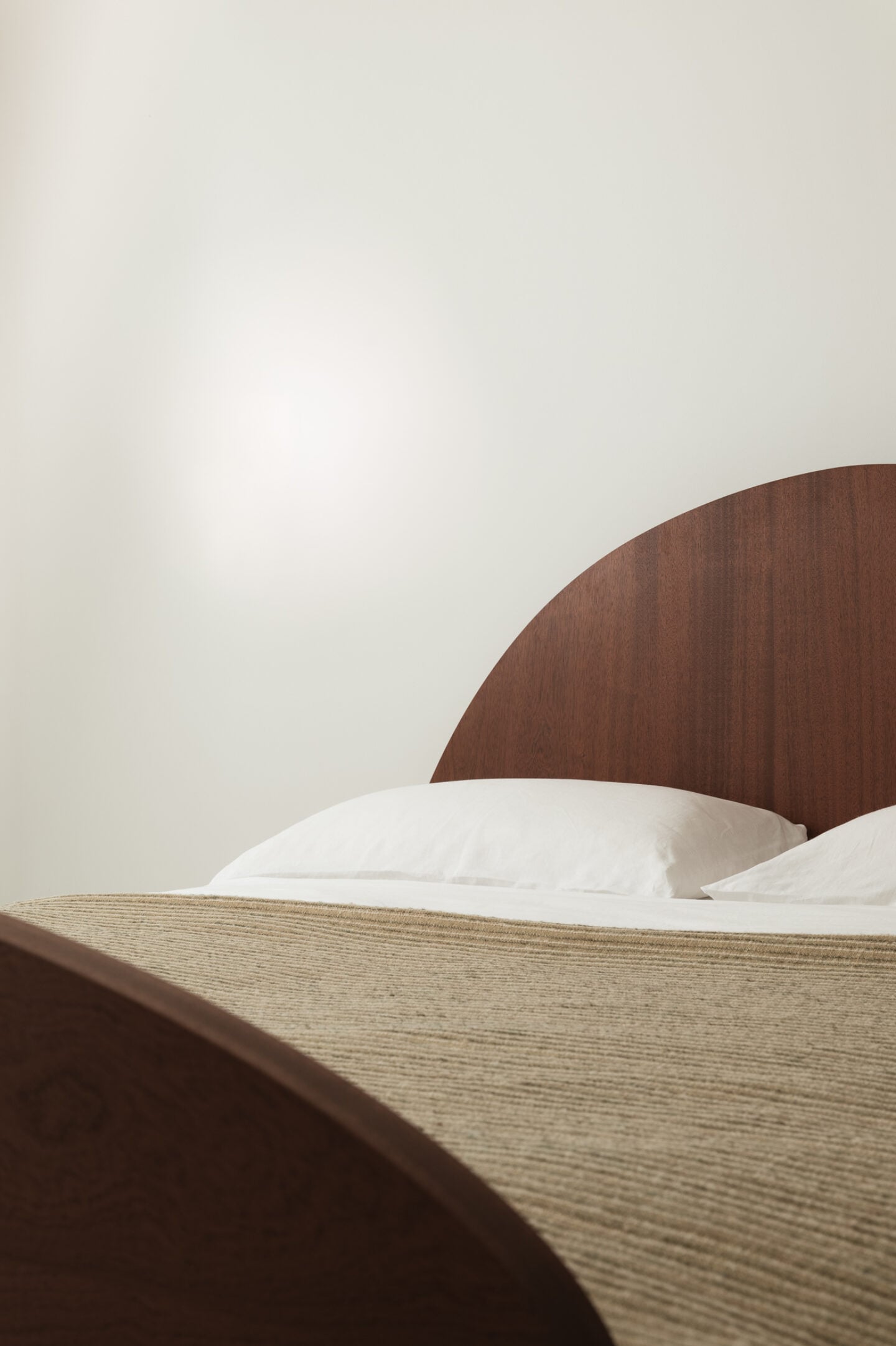
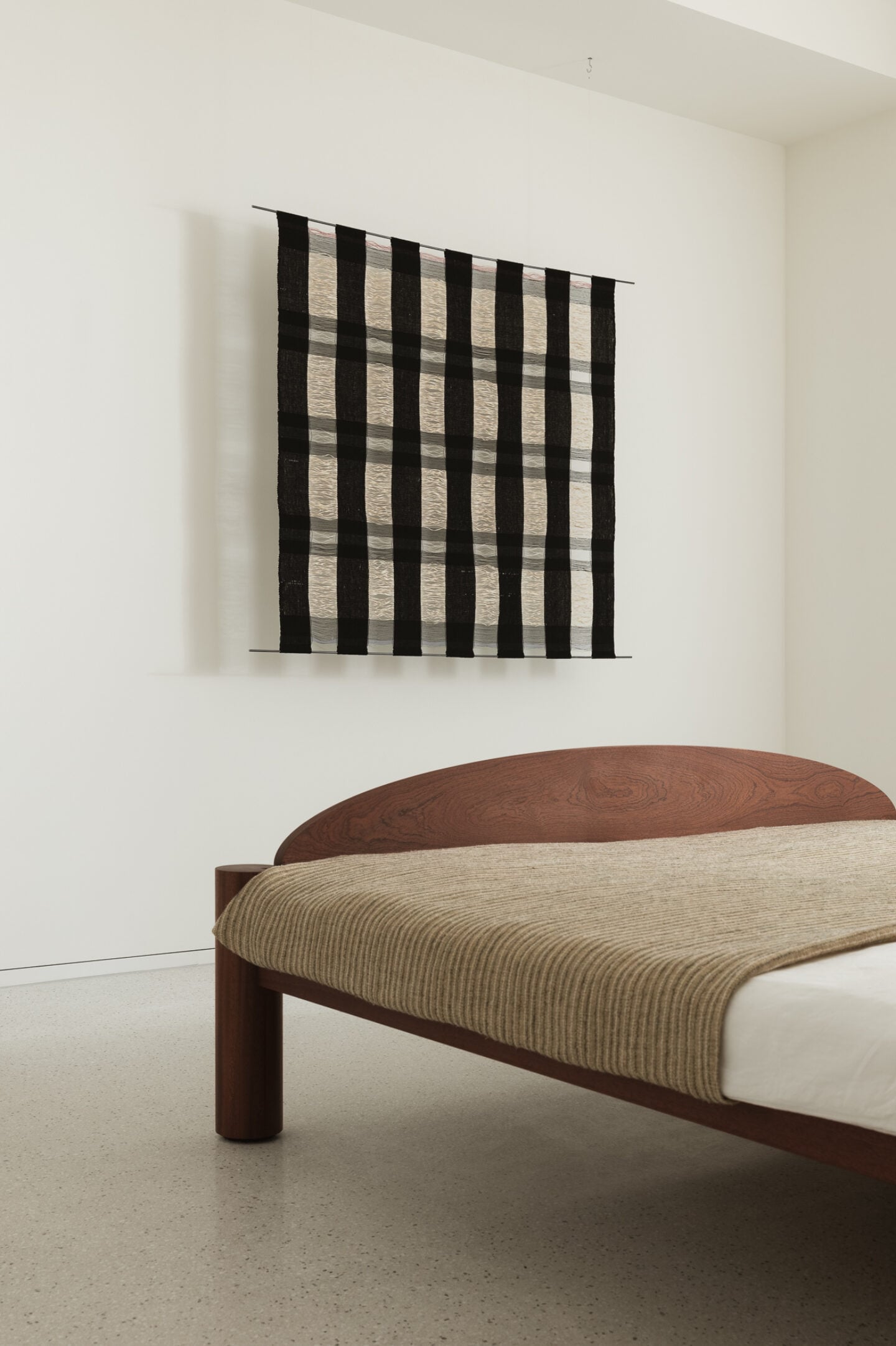
Mack Furniture’s sculptural simplicity threads through the apartment with the ‘Paris’ chair, the ‘Pluto’ stool and the ‘Dreamy’ bed—its arched headboard a nod to French farmhouse vernacular, mellowed by a cover from Belgian textile studio Designs of the Time. Sculptural outlines lend contour and weight, giving each room depth without interrupting the architectural clarity. Mahogany, bog oak and maple add warmth. “Those surfaces and silhouettes have real character,” notes van der Linden.
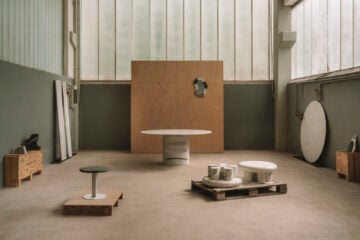
Soft furnishings layer depth throughout. Studio Jumi’s ‘Copper Waffle’ introduces gentle rise and fall in the living area, while Grid II anchors the bedroom with its handwoven structure. “Textiles give a different association, something closer to the feeling of living,” Penzlien says. A set of carefully chosen works welcome distinct voices to the rooms. Jérémy Bellina’s stoneware ‘Bird Jug 01’ brings a playful touch, Sanghyeok Lee’s ‘Domestic Architecture’ table an endearing stoicism, and Myriam Perrot’s ‘Talus’ a subtle textural shift.
Dialogues in Domesticity
For Zafari, seeing the furnished space offered a moment of recognition. Years of construction and design work crystallized into a tangible expression of his intent. Penzlien noted the shift: “It was meaningful to see how the furniture and objects brought the spatial idea into focus.”
House Zafari speaks to currents shaping Berlin’s design culture today—a commitment to material honesty, a feel for form and an exchange between local and international perspectives. Set within its rigorous architectural frame—a bulwark against and its sober surroundings—it outlines a way of living that echoes Berlin’s evolving identity. “Through furniture and objects, we show something of where the city stands today,” van der Linden reflects. “Many creative people live here, people with international backgrounds, doing remarkable work.” In a part of the city dominated by civic façades, the apartment introduces a softer mode, showing how thoughtful choices in form and material let domestic life carry its own tone within a formal urban setting.
Images © Clemens Poloczek | Text: Anna Dorothea Ker