The Art of Flowers: In Conversation with Carolin Ruggaber
- Name
- Carolin Ruggaber
- Images
- Clemens Poloczek
- Words
- Rosie Flanagan
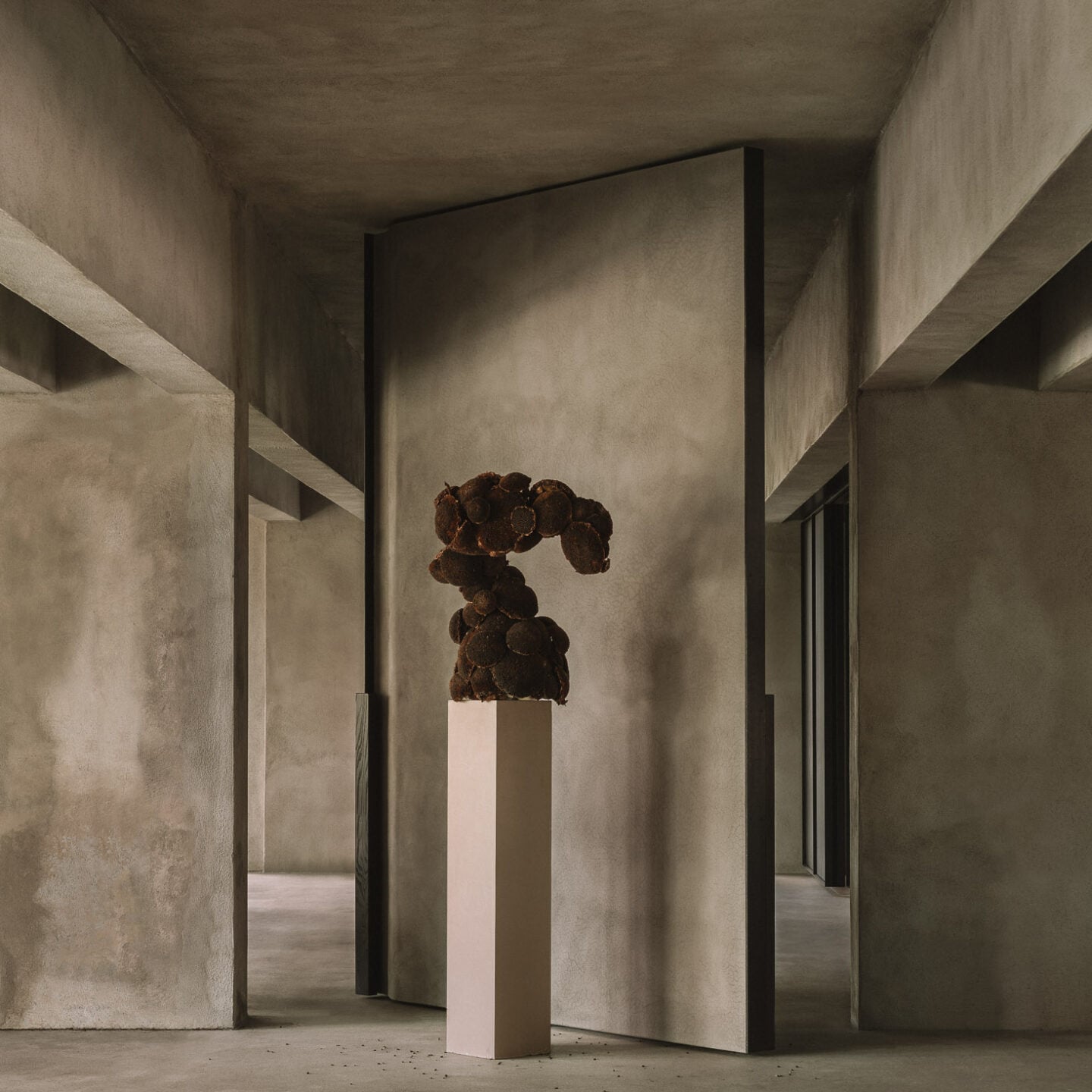
Caro Ruggaber’s studio sits beside a meadow-like field that edges the River Spree — wild green pushing into what was once a heavily industrial landscape. It feels a fitting place for the artist, who takes nature’s miraculous and ephemeral forms and transforms them into sculptural works that occupy the threshold between the built and the grown.
Ruggaber was raised far from Berlin, in the Black Forest, a bucolic idyll where rolling hills meet densely wooded mountains and medieval, half-timbered villages glinted with folkloric charm. A place that she says is – and isn’t – exactly as you would imagine. As a child, she spent a lot of time in her grandmother’s garden picking flowers, “Not in a proper way, I’d only ever take the top: the flower itself,” she tells me with a smile. Working from a bench her father made her, she would transform these errant blooms into small bouquets and Christmas wreaths. “I guess this was my first touch point,” she continues. “I always said I wanted to be a florist when I grew up. Whenever I was asked, I was entirely confident. Of course I was going to be a florist!”
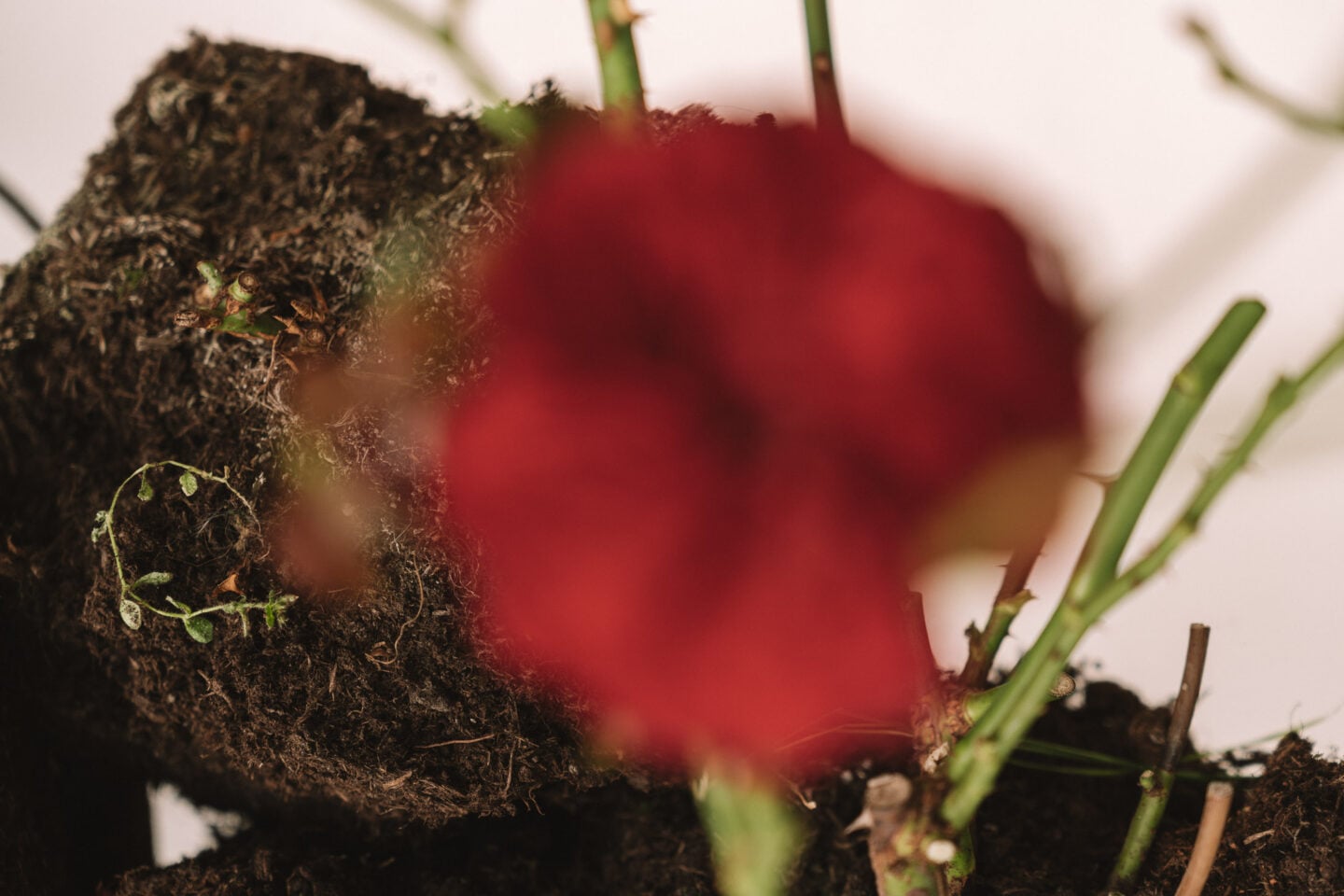
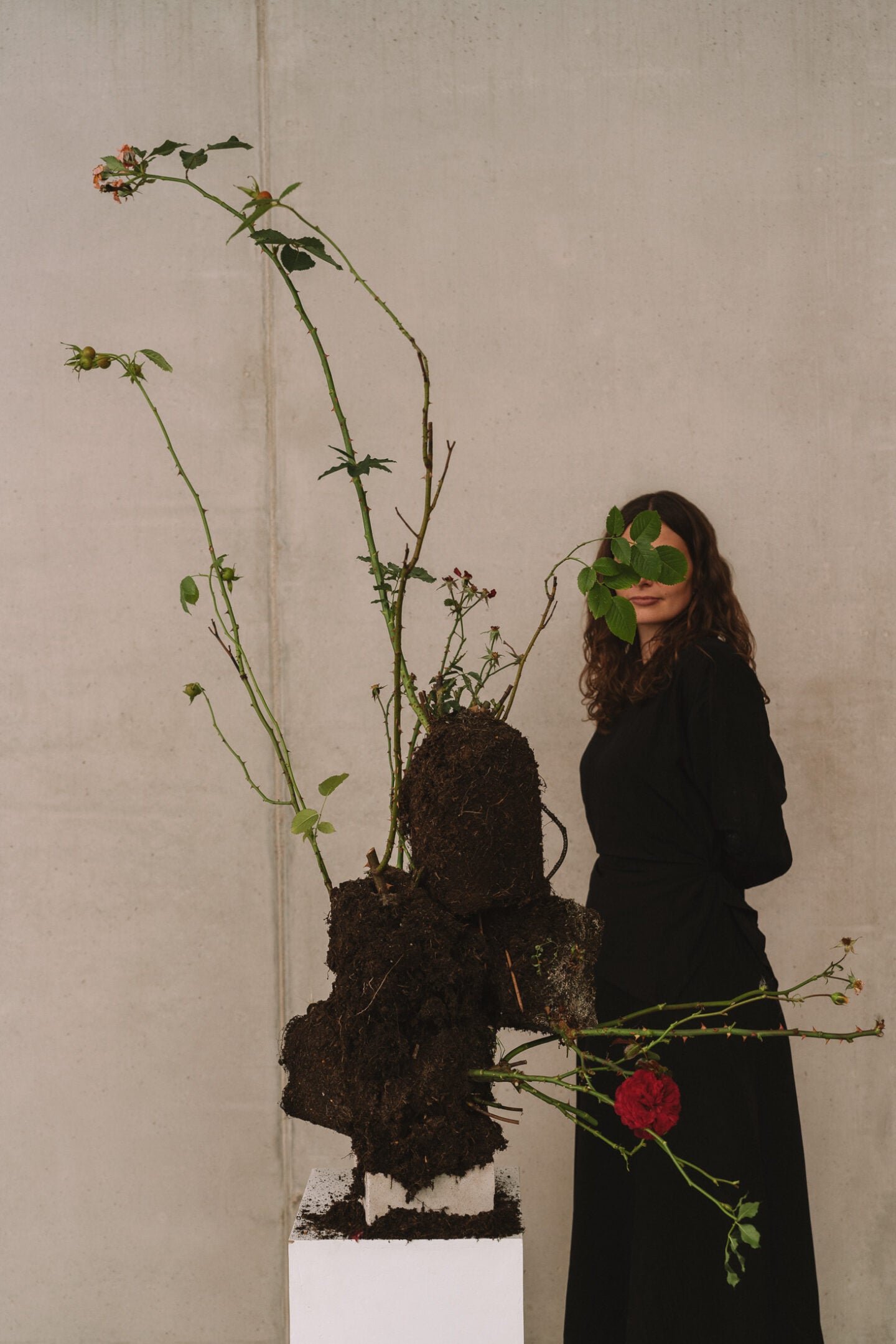
Her path began with an apprenticeship at a small flower shop. She was sixteen years old. “I’m of a generation that was told not to pursue a craft, that they would do better in life if they studied something instead,” she explains. “I feel very lucky that my parents were so encouraging of this path. They really wanted all of their children to do whatever they felt would fulfill them.” By eighteen years old, Ruggaber was a qualified florist. She worked in Germany before leaving Europe to travel through India and work in Australia. Her path brought her back to Europe, where she attended the Academy of Flowerdesign — a Swiss graduate school centered on floral design as artistic practice. Then came Berlin. And later, Covid.
“When Covid hit, it felt like the time to do something because there was no work anywhere — there were no jobs, no events, nothing.” Ruggaber used the suspension of everyday life to her advantage, dedicating time to developing a practice outside of clients and commissions. Her work took form in abandoned buildings and in guerrilla-style installations in public spaces, colourful moments that brought the joy of flowers to people weathering a deeply strange and isolating time. She extended her portfolio with ‘Upside,’ a flower pop-up in a small gallery space. “The pop-up ran for a week and was so successful that we took it to Paris and to Amsterdam,” she continues. “I met people there, and more projects followed. It was really the beginning.”
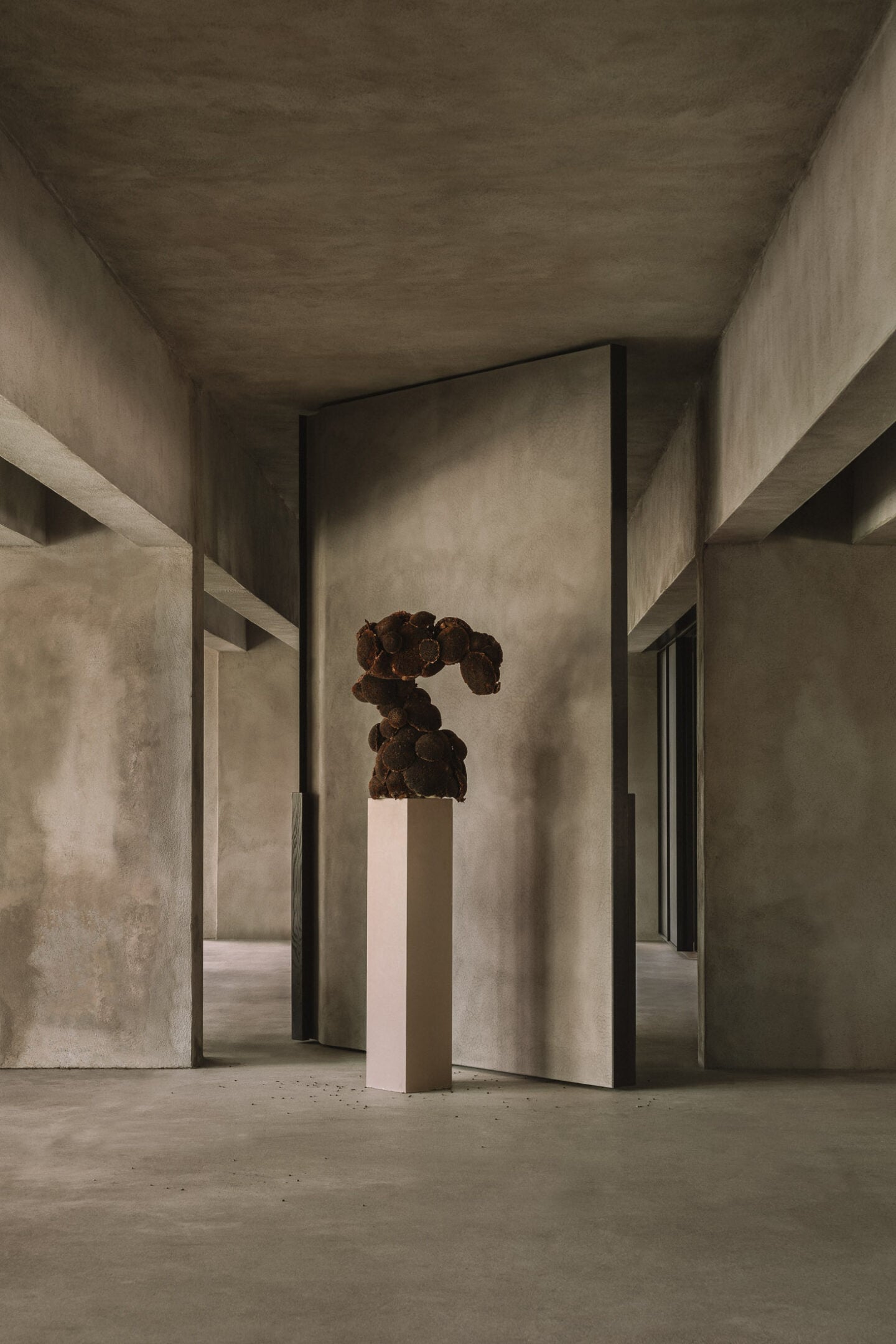
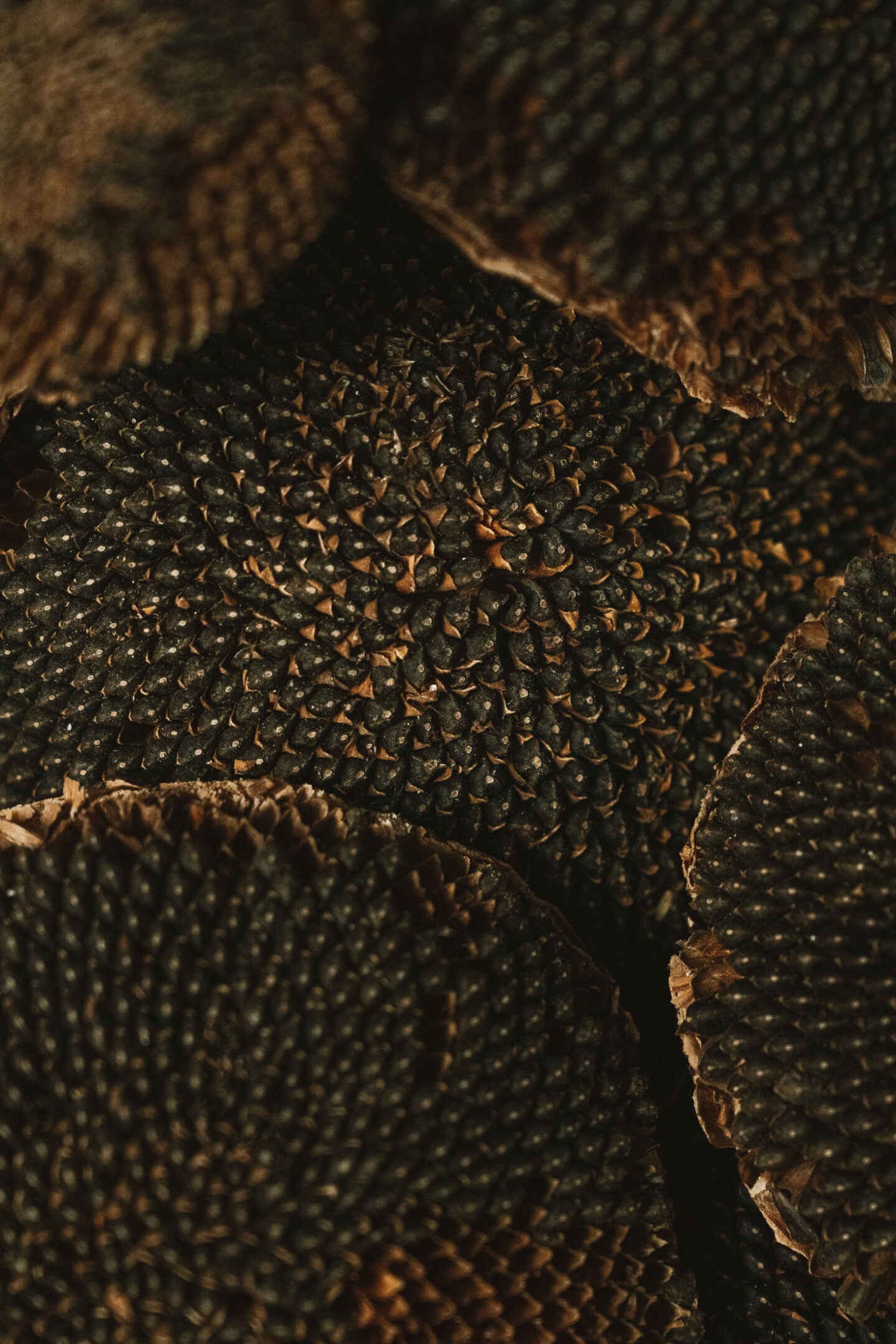
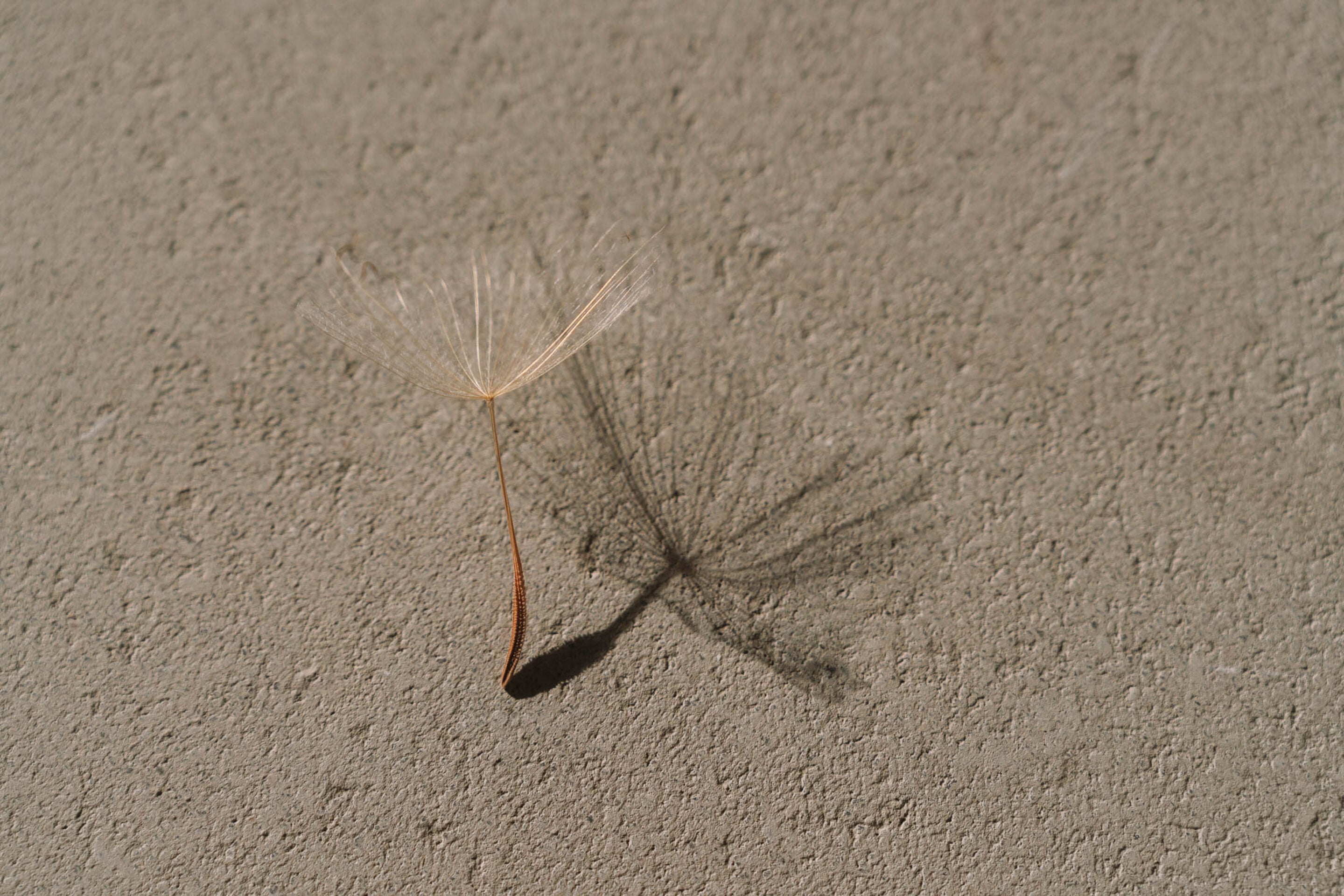
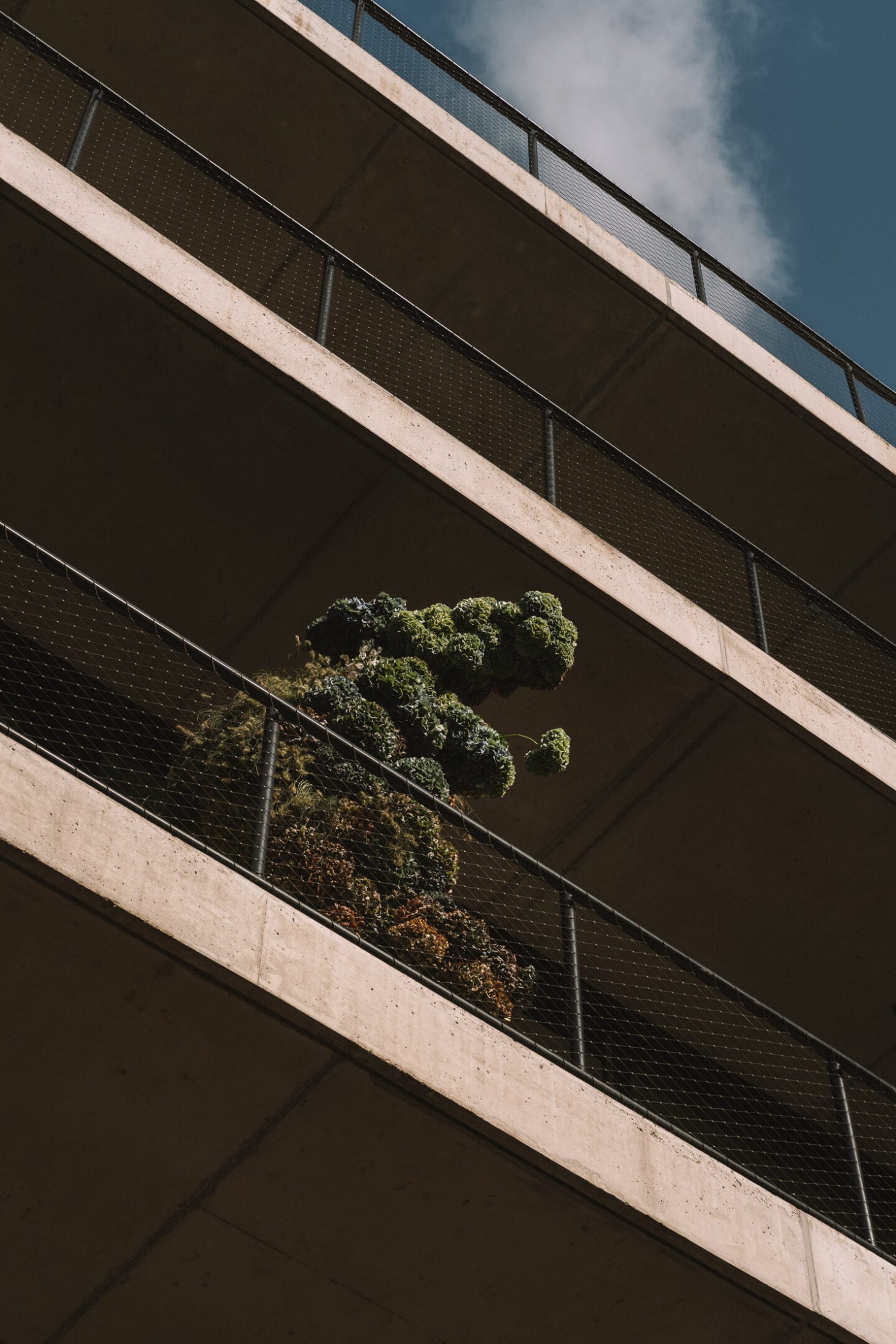
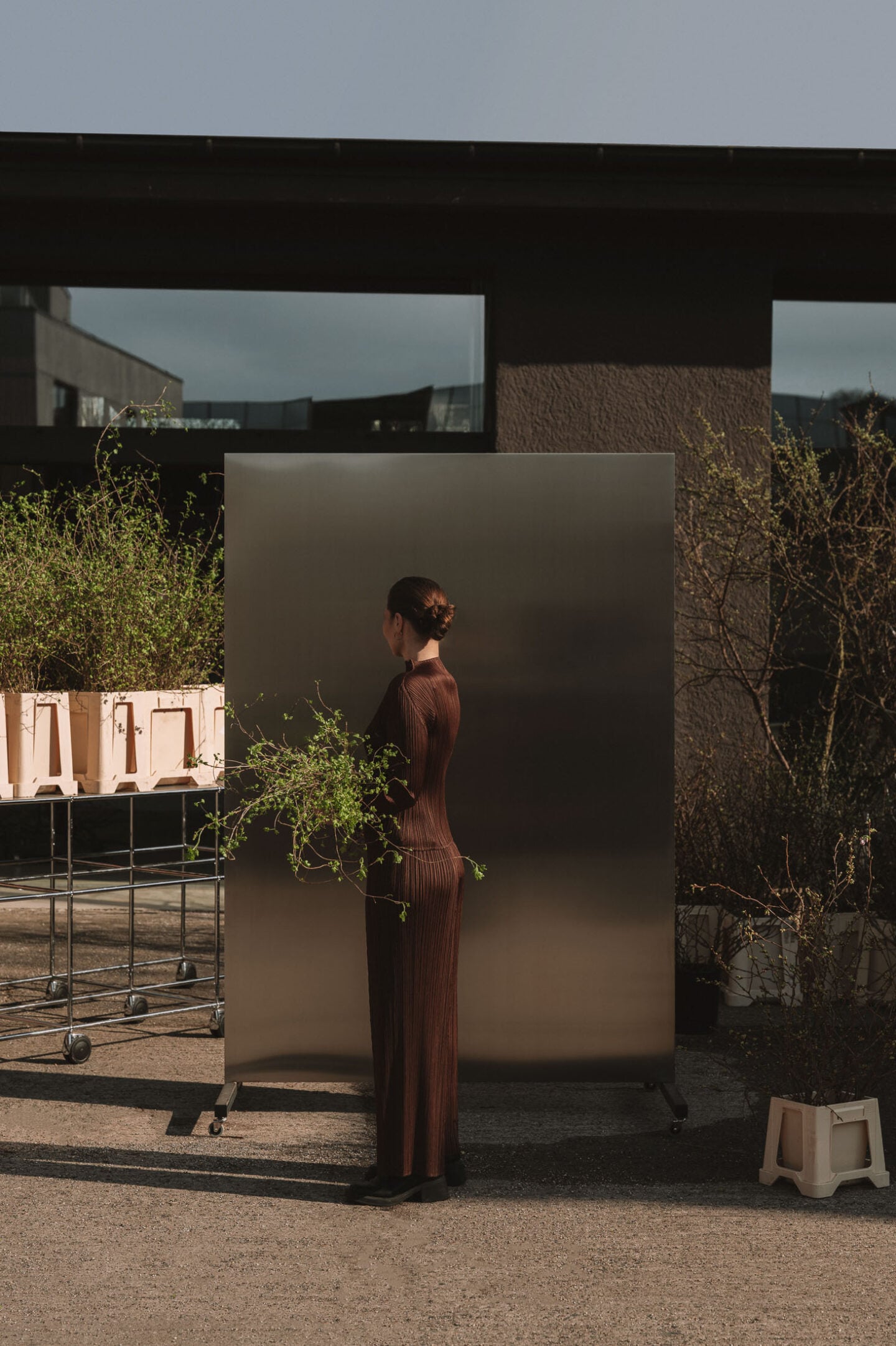
In the years since, the scope of that beginning has expanded substantially beyond just a flower shop. Her floristry is no longer seen as only a craft; it is understood as an art: “I think it is one of the most interesting times, or maybe the most interesting time yet in floral design, because there are so many boundaries that still exist — there are so many things that are yet to be done,” Ruggaber explains. Her delicate sculptures and large-scale installations have been exhibited around the world, their balanced forms and unusual floral combinations coveted by art institutions, design studios, and luxury fashion labels alike.
In a recent commission for Cartier, she used Calla lilies to create centrepieces alive with movement: bunches of white and wine-dark blooms balanced upon one another, their apple-green stems creating a single, wave-like form. For the Hermès flagship store in Barcelona, she designed two monumental floral sculptures that spiraled from the floor to the ceiling; a mass of red roses anchored at their base by blooms in earthen orange and lilac. These organic forms were inspired by the visionary architecture of Gaudí, who eschewed straight lines and sharp corners, preferring the perfection of the shapes found in nature.
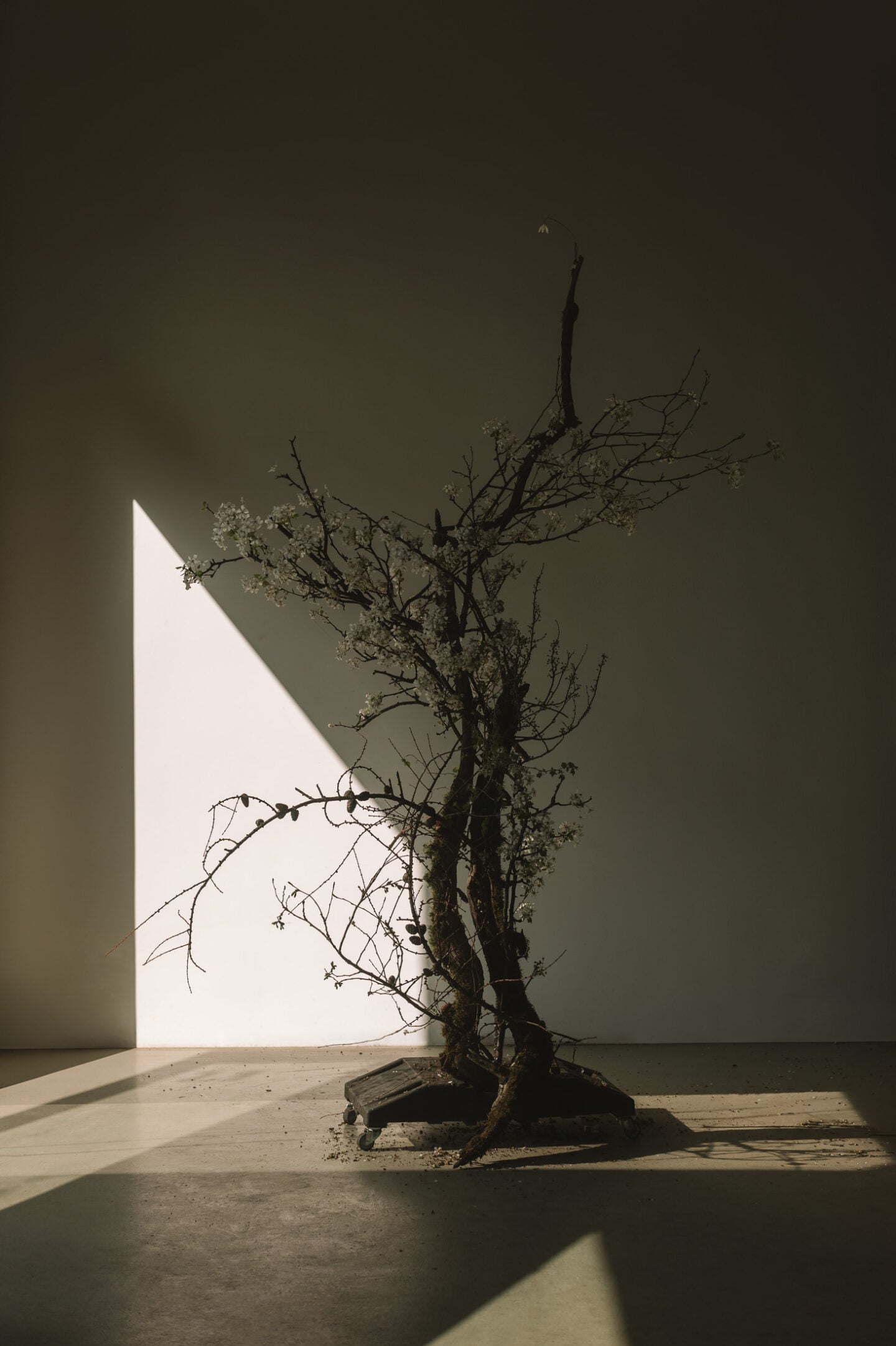
Like Gaudí, Ruggaber draws her sculptural forms from the world around her. In conversation, she describes herself as a “transmitter,” someone responsible for recontextualising the beauty of nature as a way of helping people understand it. “Very often my compositions are based on the golden ratio or shapes found in nature,” she says. “I have one folder full of photos of clouds. Another full of photos of rivers. How do they flow? What shapes do they make? Nature understands form so perfectly. Rather than creating something new, my role is to show people what is already there: taking something from nature and putting it in a different context, twisting it around, and helping people look at it differently. Which is ironic, because this beauty is around us all the time. It’s in the sky, it’s in the clouds, the flowers, the trees… but by bringing it into a different context, people really see it for what it is.”
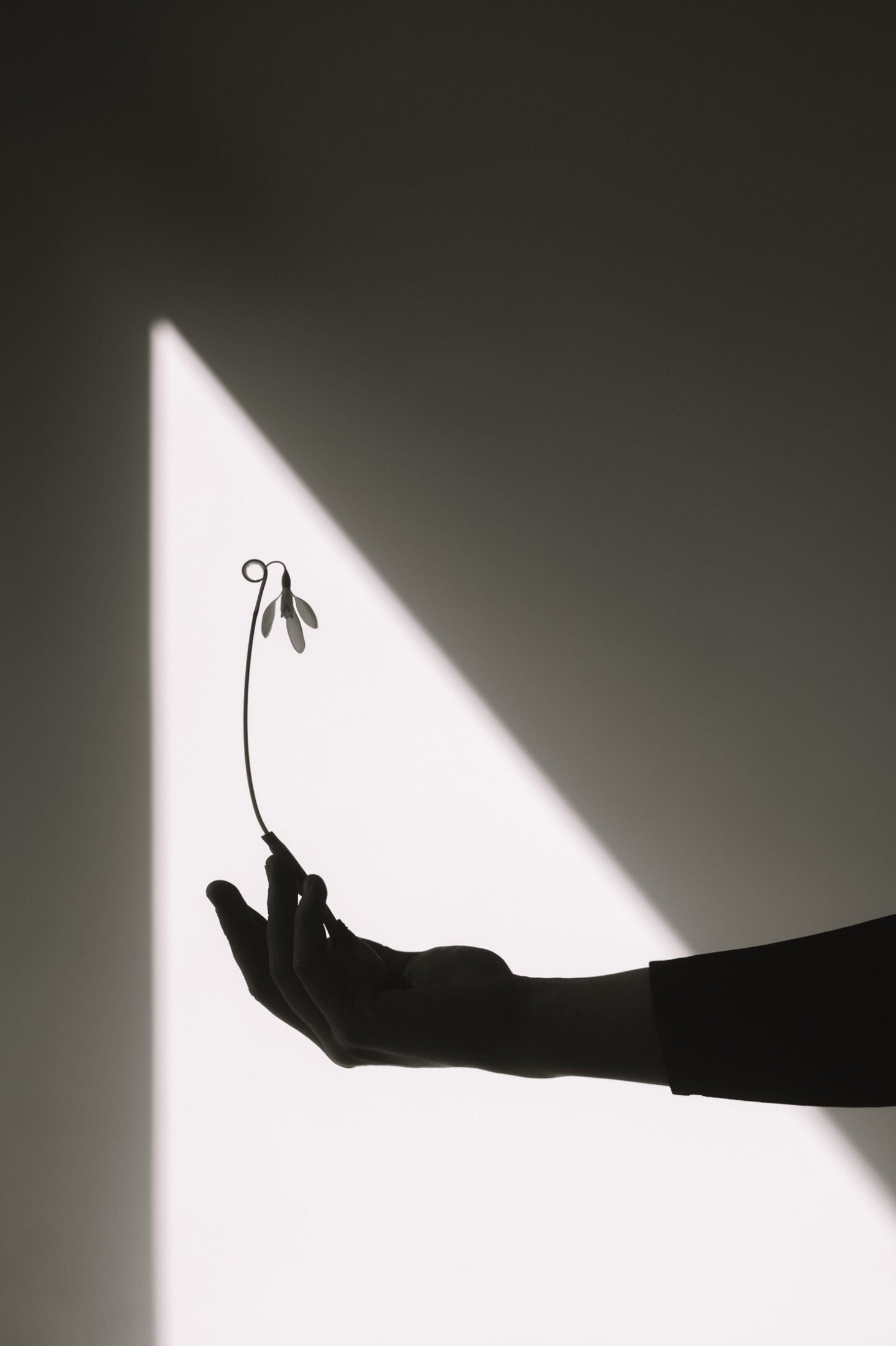
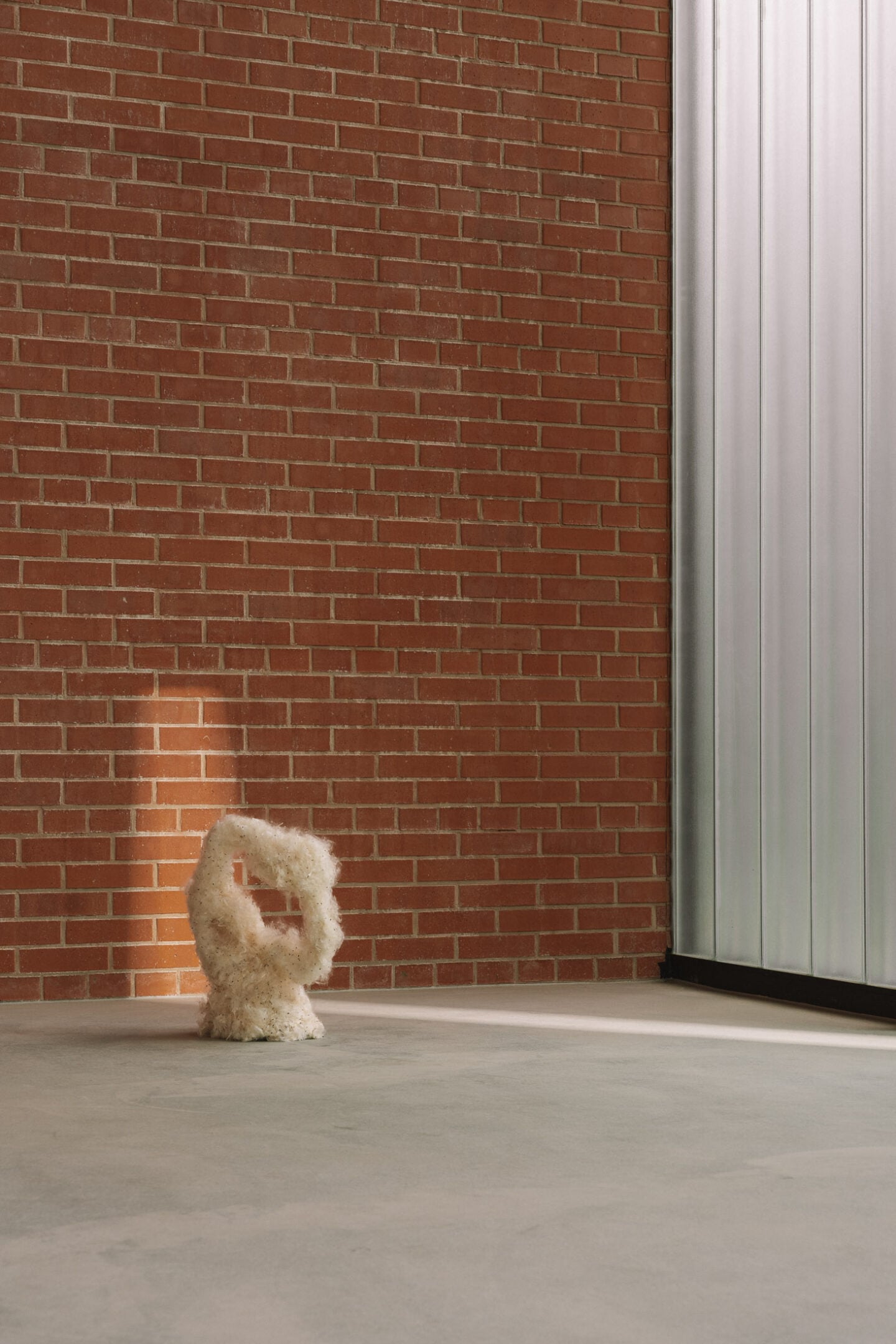
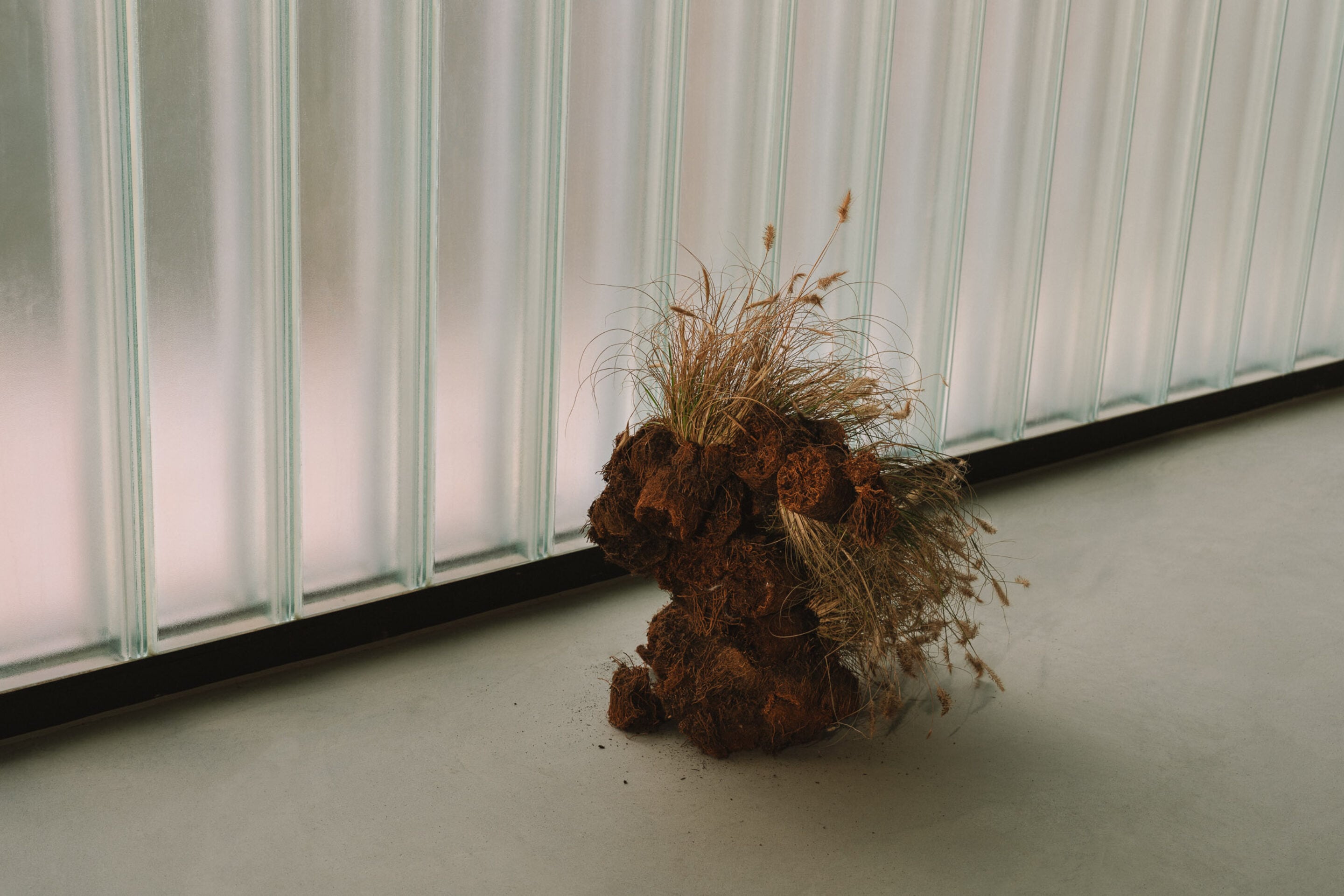
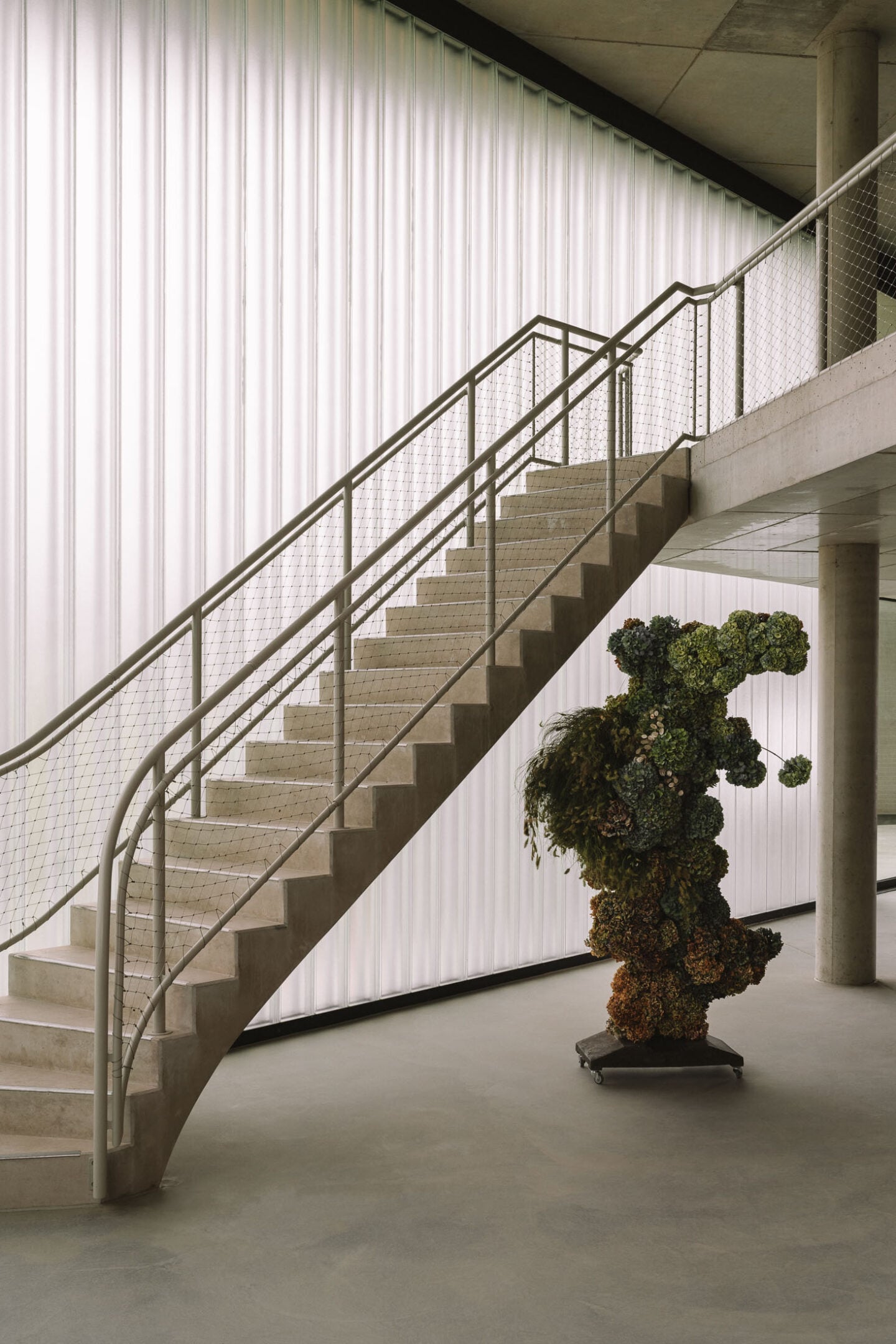
When designing, she attends closely to the surroundings that the work will be shown in: “I always start by thinking about how the whole composition will work: not just the installation, but the surroundings too. From here, I go to the material, to the flowers, to the work itself. It has to make sense in its context. When asked to elaborate further on her creative process, she admits she never quite knows how to answer. “I’m lucky, I guess. I see the concept or the architecture, and I understand what needs to be expressed quite quickly. It’s very rare that I don’t have inspiration or an idea. Often, though, that first idea doesn’t work out — and through trial and error, I am brought to something I never would have thought of. I think it’s really important to keep an open mind and not to follow trends. I’m trying to do things that feel honest. When I am creating, I always have this Bauhaus sentence in my mind: Make it simple but significant.”
Location: Flussbad | Images © Clemens Poloczek | Text: Rosie Flanagan