Essential Forms in Modern Jewelry: ORFÈVRE Presents Walter Wittek
- Name
- ORFÈVRE
- Images
- Malte van der Meyden
- Words
- Anna Dorothea Ker
For over fifty years, ORFÈVRE has been a home for jewelry that values meaning as much as beauty. Among the artists it champions, the German sculptor and goldsmith Walter Wittek stands out for a radical clarity of design that unites minimalism, conceptual depth and technical mastery.
Their recent collaboration brings Wittek’s timeless works into renewed focus—from the awarded Ouroboros Ring to the iconic 1979-designed Tension Ring—highlighting heirloom pieces whose formal simplicity belies profound significance.
ORFÈVRE: Art Beyond Ornament
Since its founding in 1969 in Düsseldorf, ORFÈVRE has approached jewelry as a form of artistic expression beyond ornamentation. The gallery for fine jewelry and objets d’art championed the interplay of thought and technique from its inception. It rapidly established itself as a pioneering hub for conceptual yet highly wearable jewelry, challenging traditional norms while demonstrating how the medium could be at once rigorous, poetic and experimental.
The founders—ten pioneering artists and goldsmiths from across Germany, including Peter and Marie Hassenpflug, Wilhelm Buchert, Dietrich Bring, Herbert Fischer, Bernd Munsteiner, Klaus Neubauer, Dieter Pieper, Hadfried Rinke, Gisela Seibert-Philippen, and Heinrich Wildt—shared a vision of presenting exclusive, artist-driven collections under one roof. Their work explored the interplay of materials and transformed jewelry into an arena for conceptual dialogue, often using alternative materials alongside precious metals and stones to create pieces of wearable art.
Over the decades, ORFÈVRE has remained a destination for heirloom-quality, handcrafted jewelry, combining innovation with masterful technique. In April 2020, goldsmith and designer Lisa Scherebnenko became director, taking the helm from Peter Hassenpflug. She continues the gallery’s commitment to fostering both established and emerging artists. The evolving collection, like the partnerships on which it is premised, spans eras of artistic exploration, presenting rings, bangles, and objets d’art that combine technical precision, conceptual clarity and enduring expressive power.
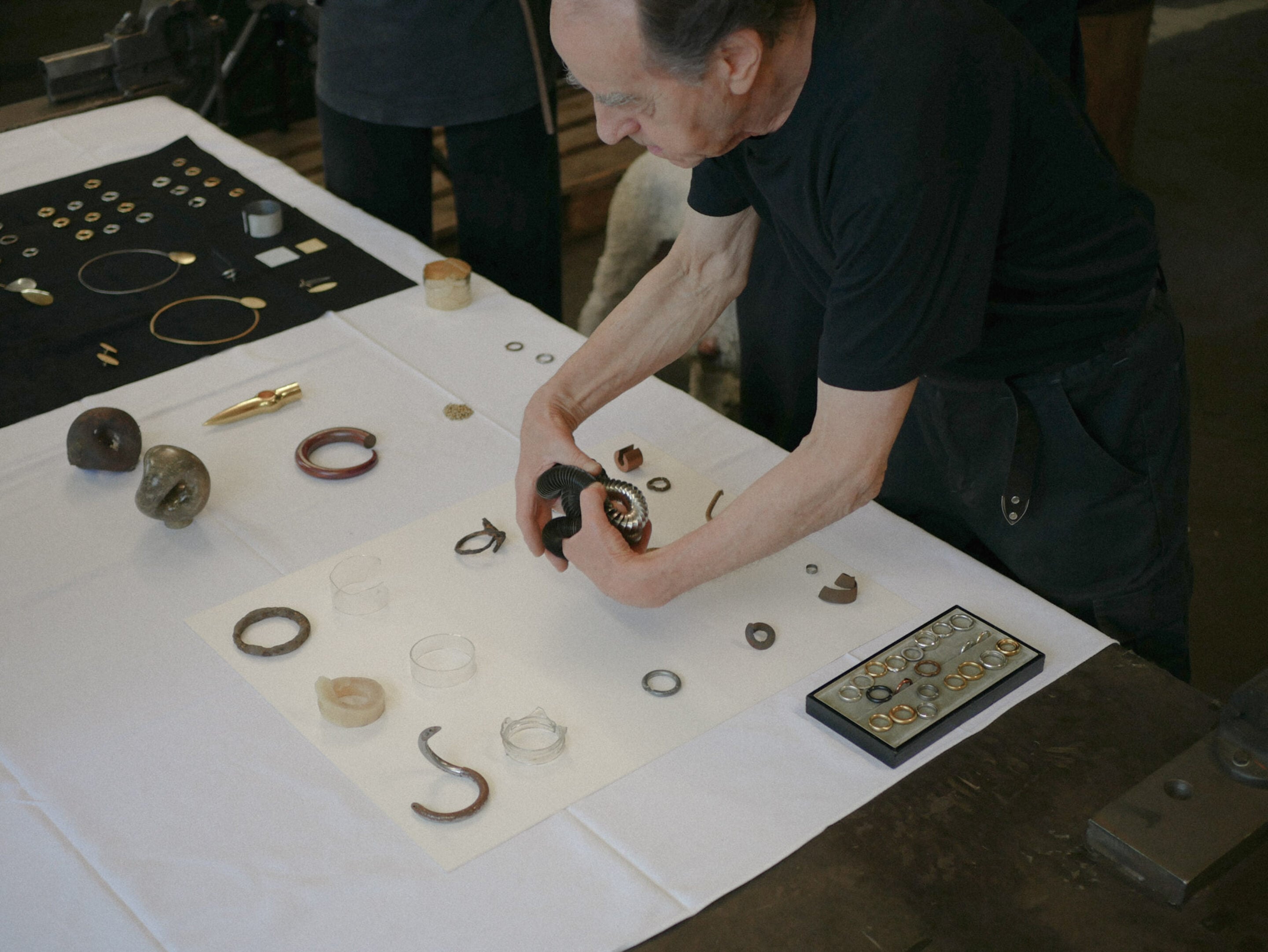
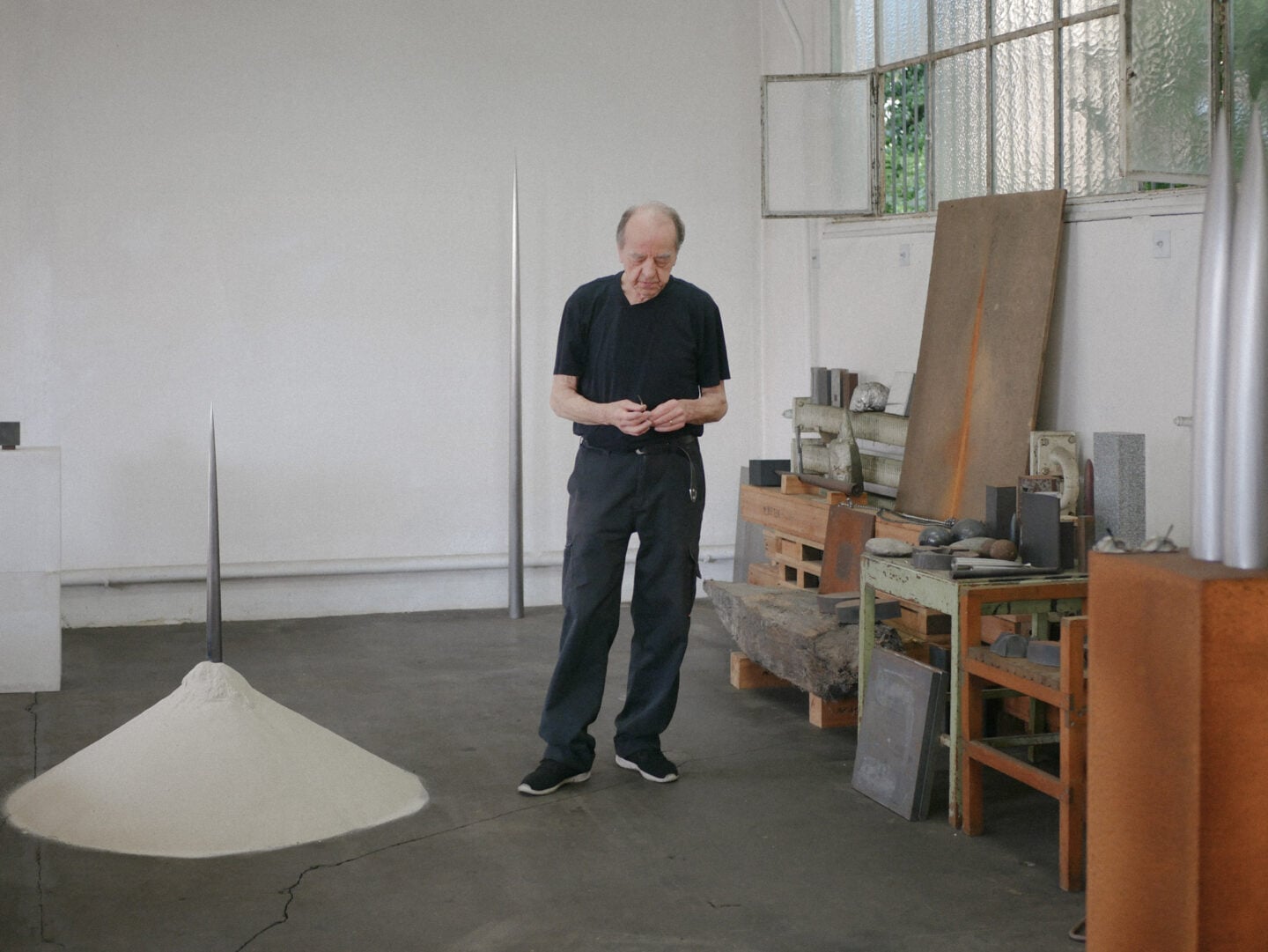
Walter Wittek at Work
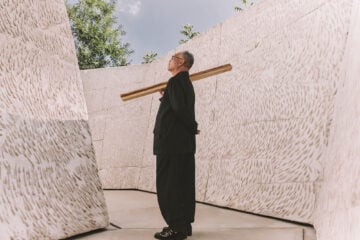
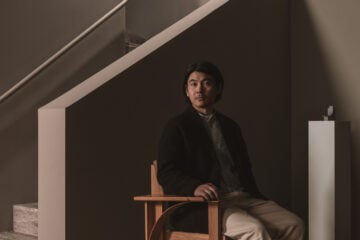
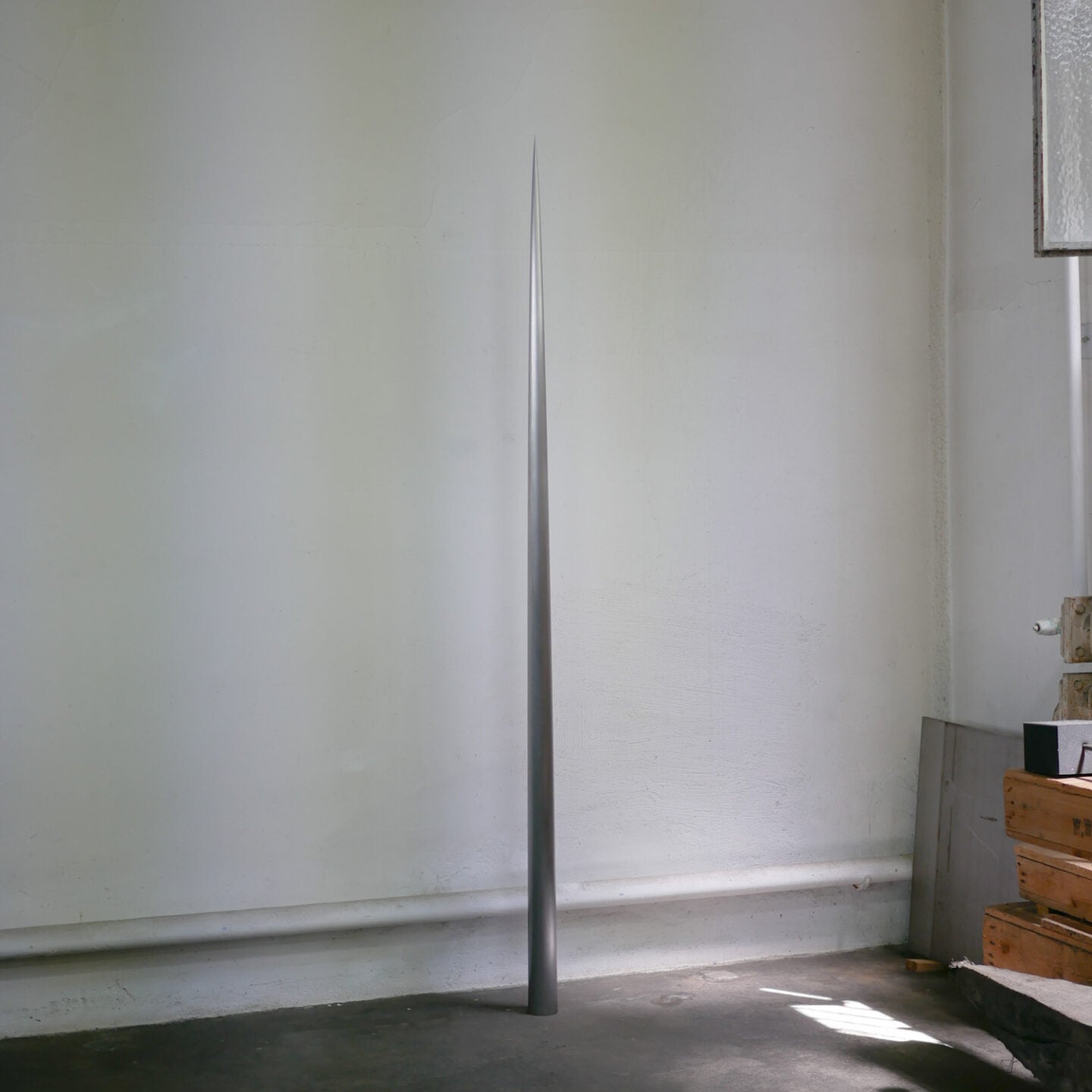
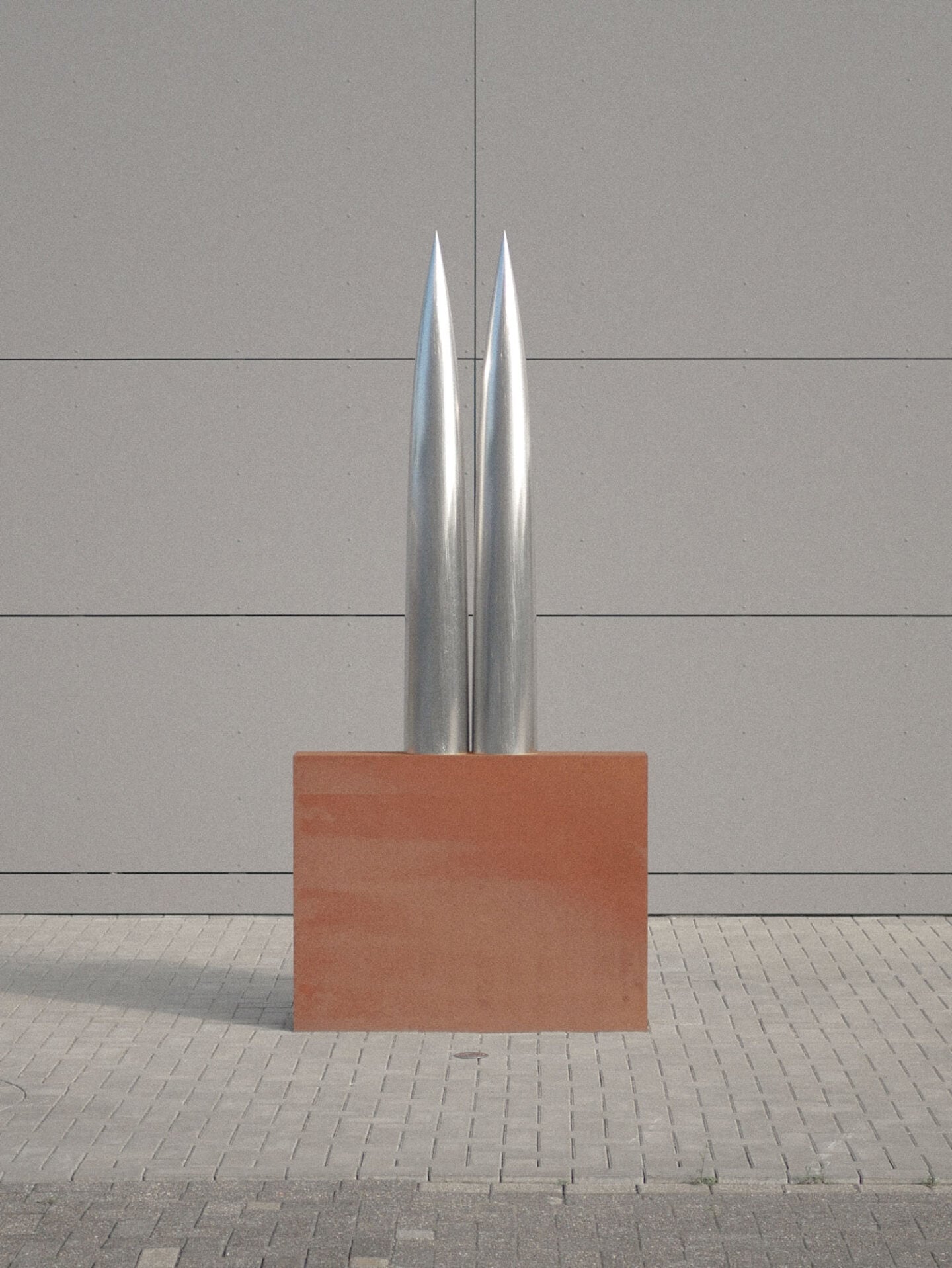
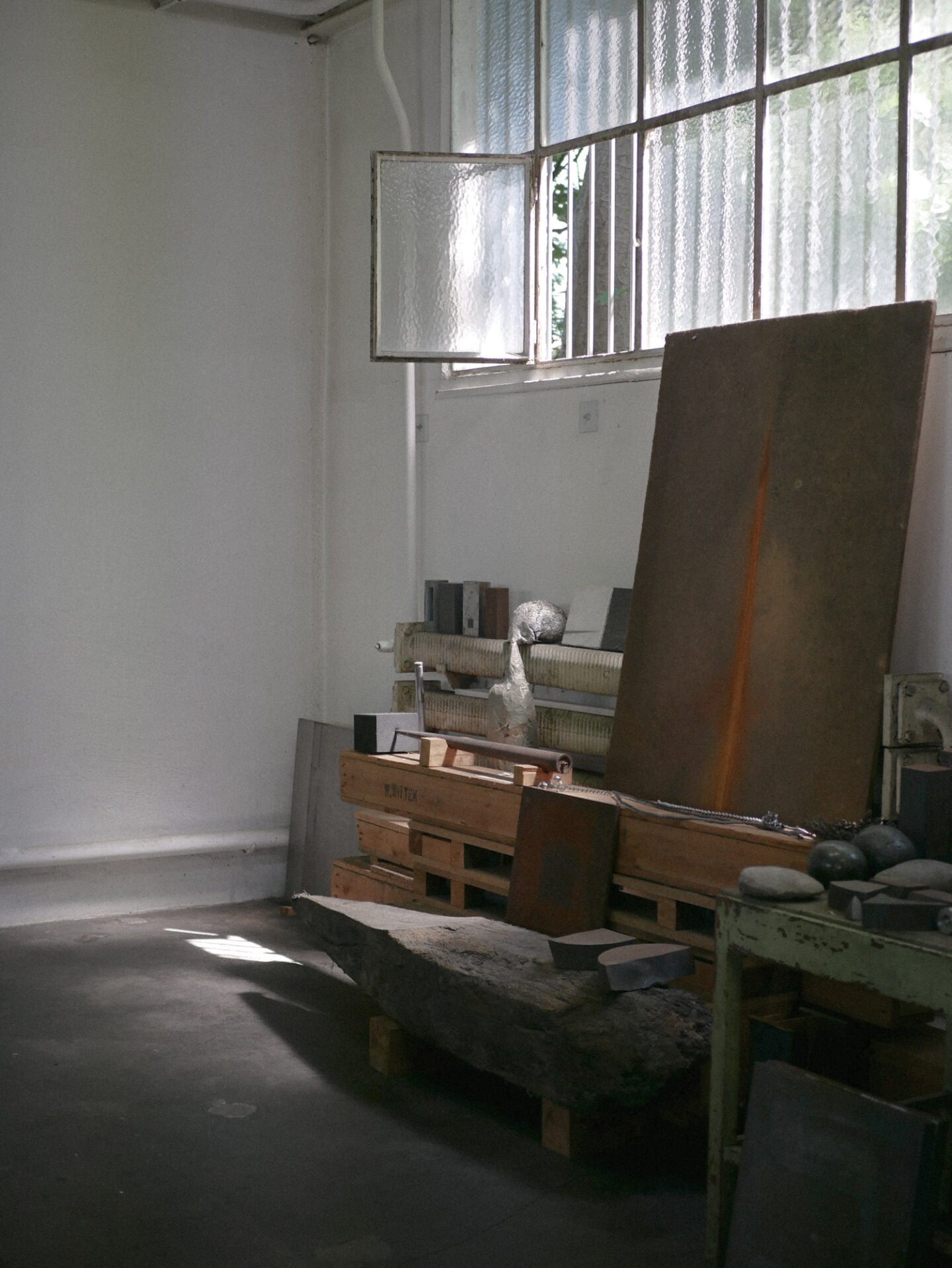
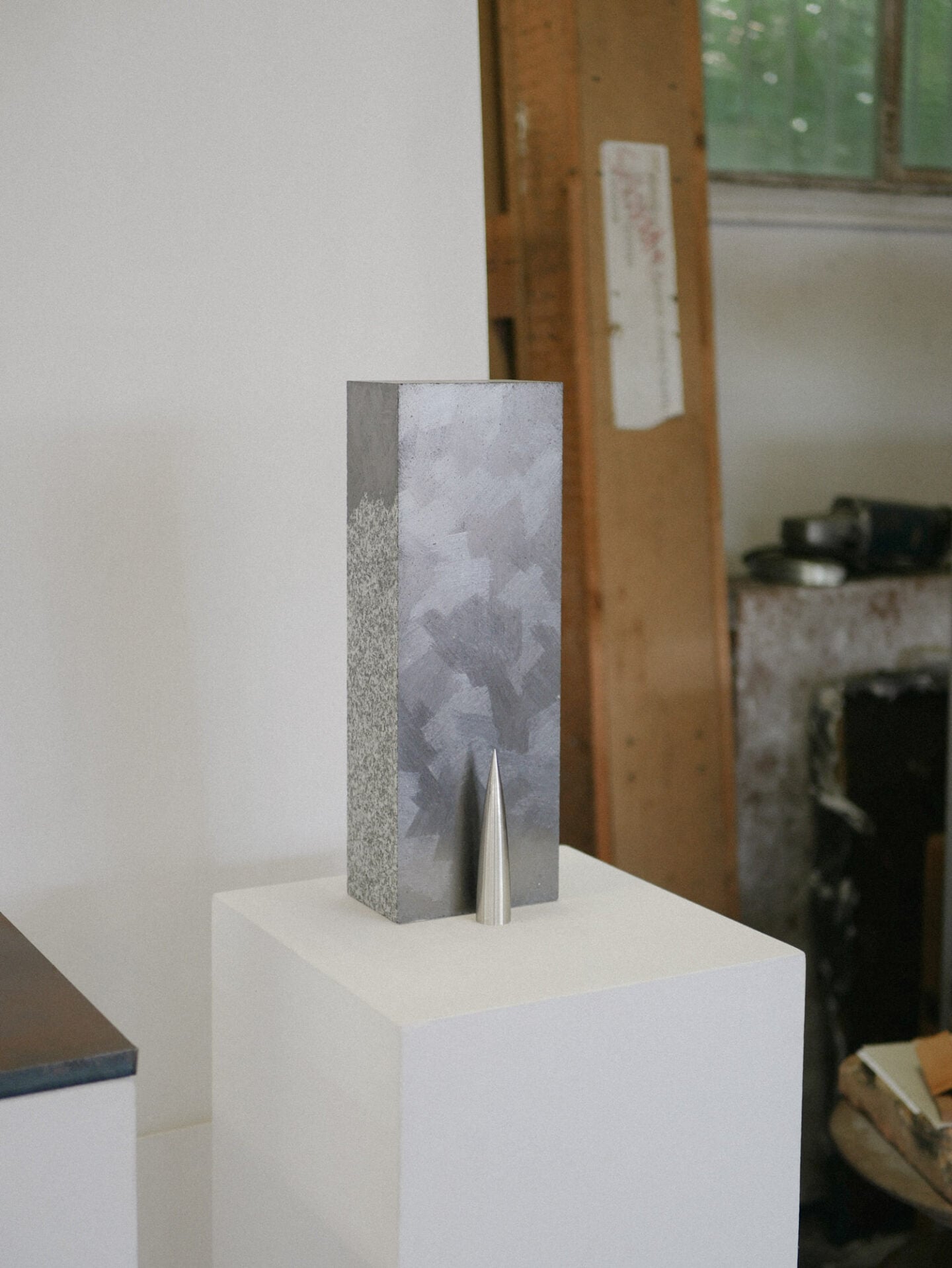
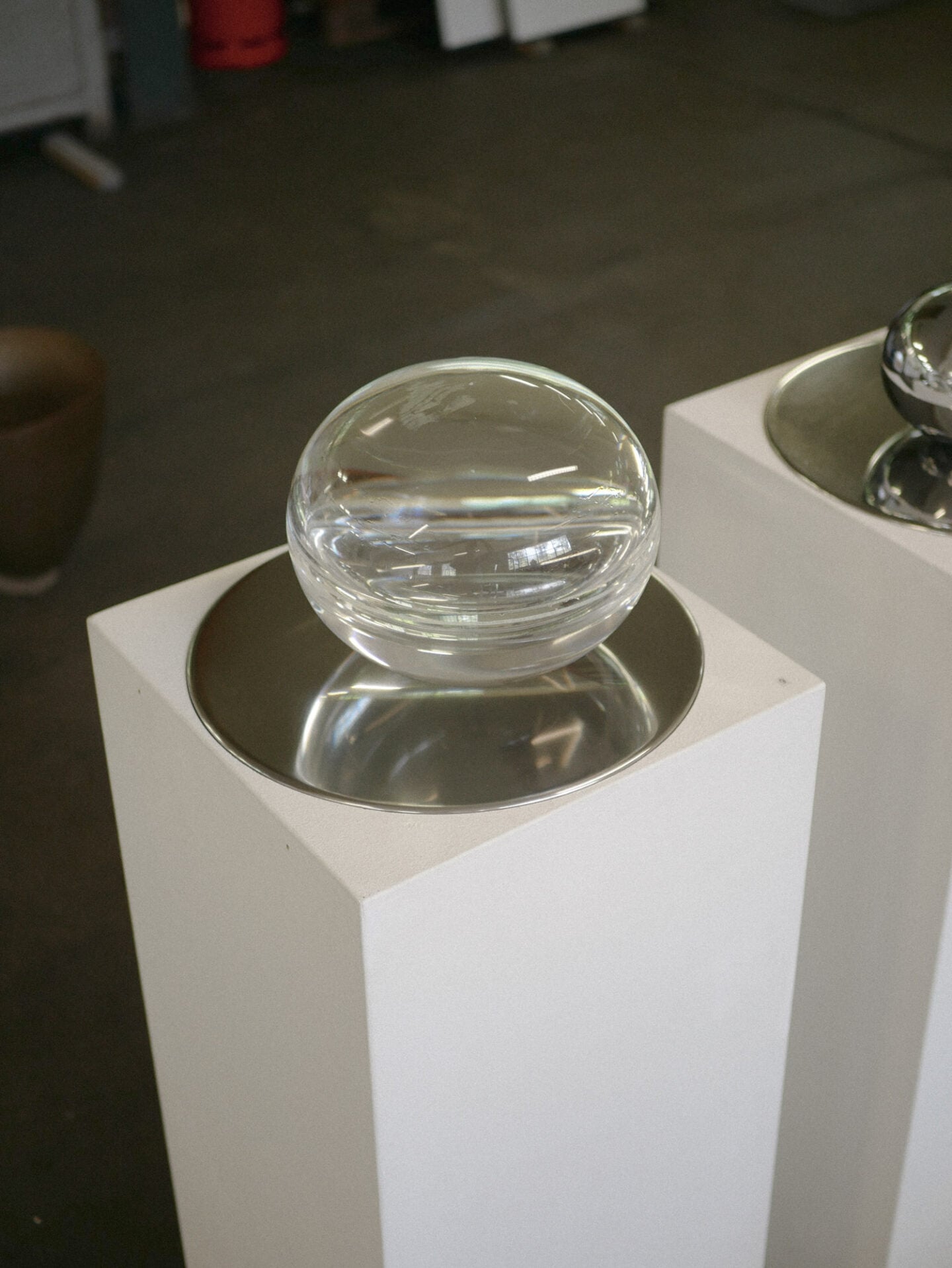
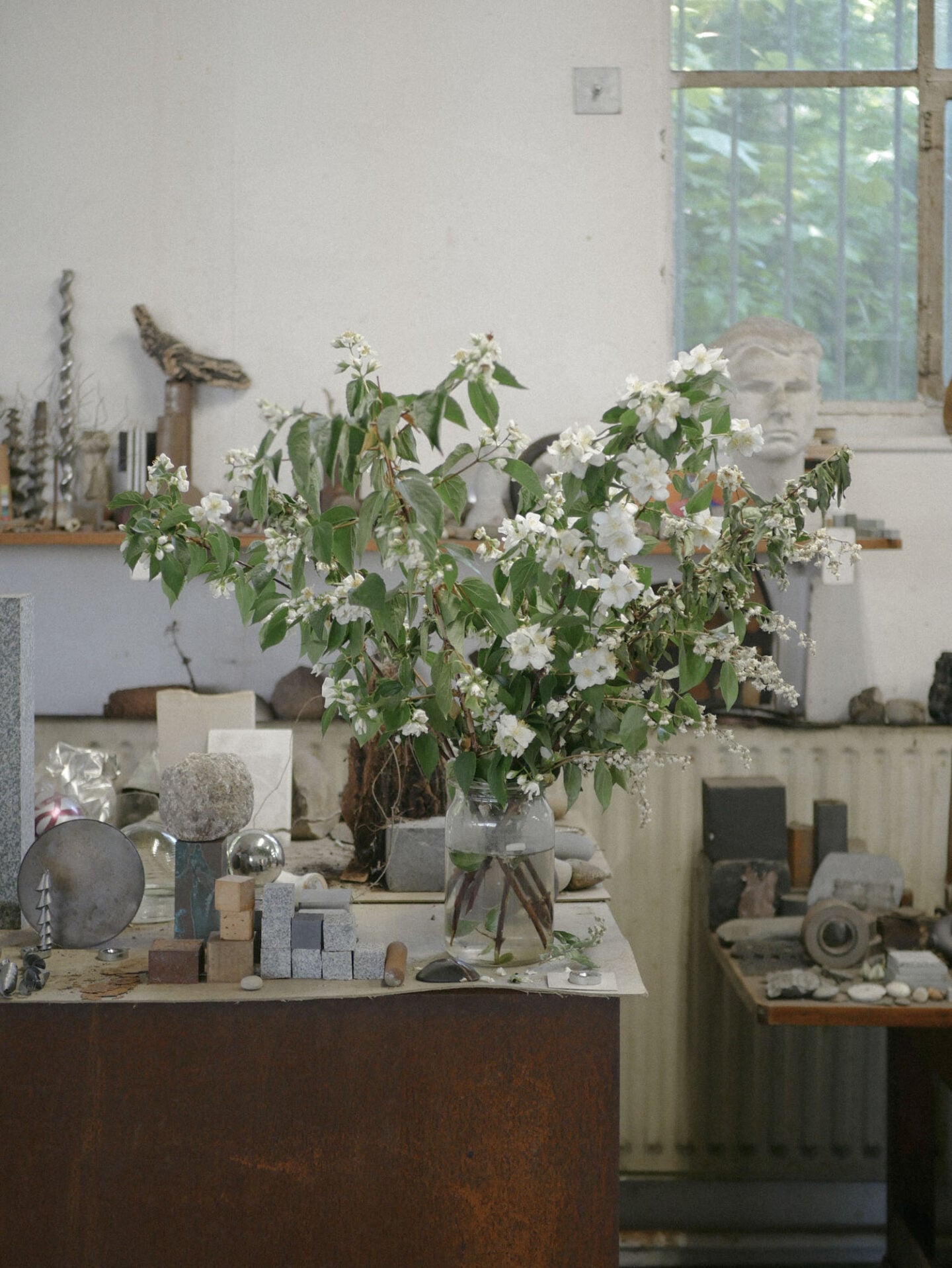
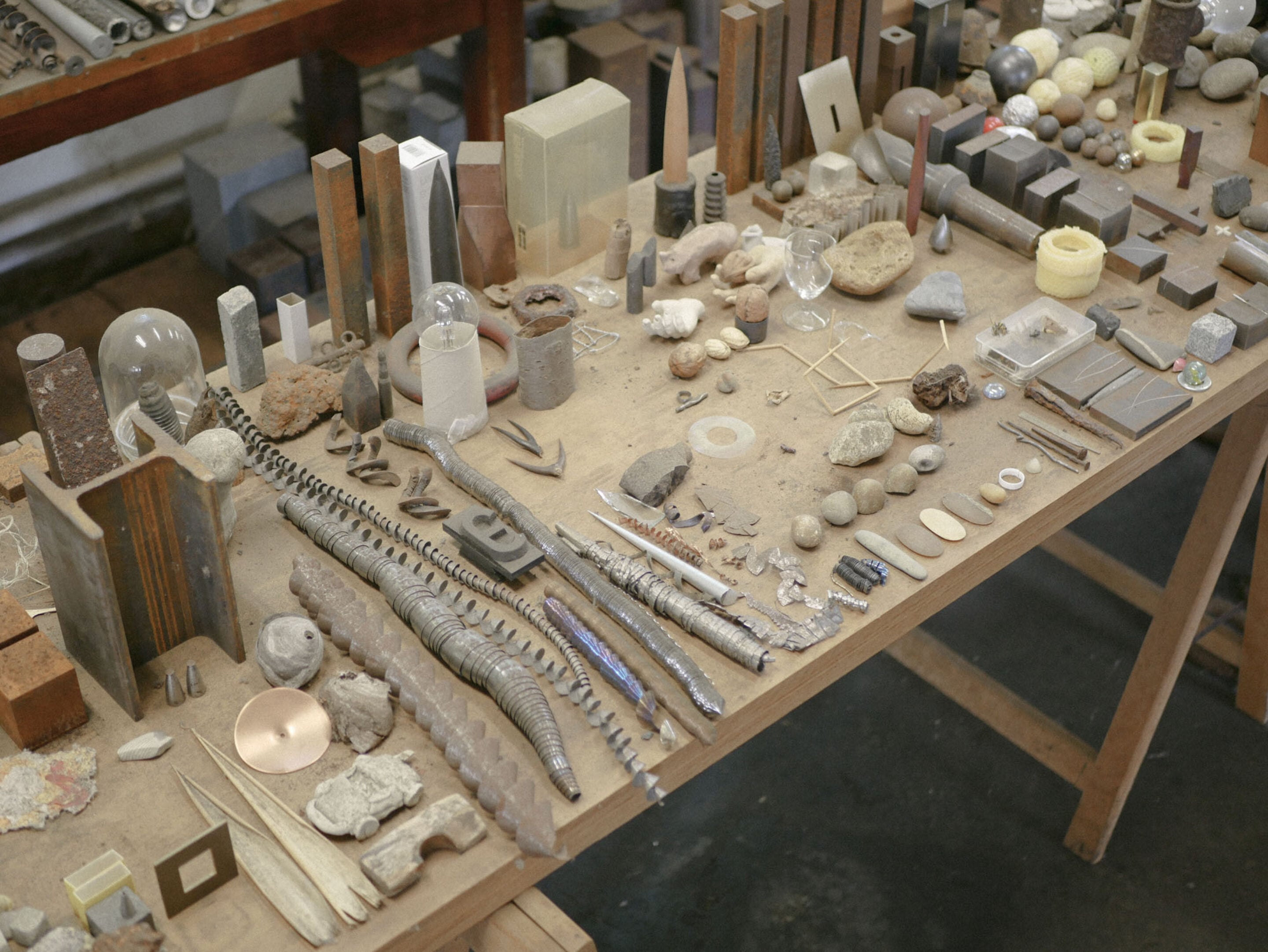
Among the artists whose work has aligned with this vision, Walter Wittek (born 1943) stands out for an exacting and elemental design language. Wittek has worked for over forty years in his studio in Vreden, Westphalia, where he moves freely between jewelry, sculpture, and drawing. “I am often called a minimalist, though I like to think of myself as an optimalist: seeking the fullest expression from the simplest means,” he reflects. In all its forms, his practice begins with a precise engagement with material, form, and light, transforming function into sculptural presence at varying scales.
The resulting pieces are reduced, precise and laden with meaning. To Wittek, for whom, “tools serve as an extension of the hand,” concept and craftsmanship are inseparable. His radical clarity has carried through decades of experimentation, whether in simple rings, monumental sculpture, or site-specific installations, making his work instantly recognizable for its intellectual and formal coherence.
A Collection Sculpted in Light
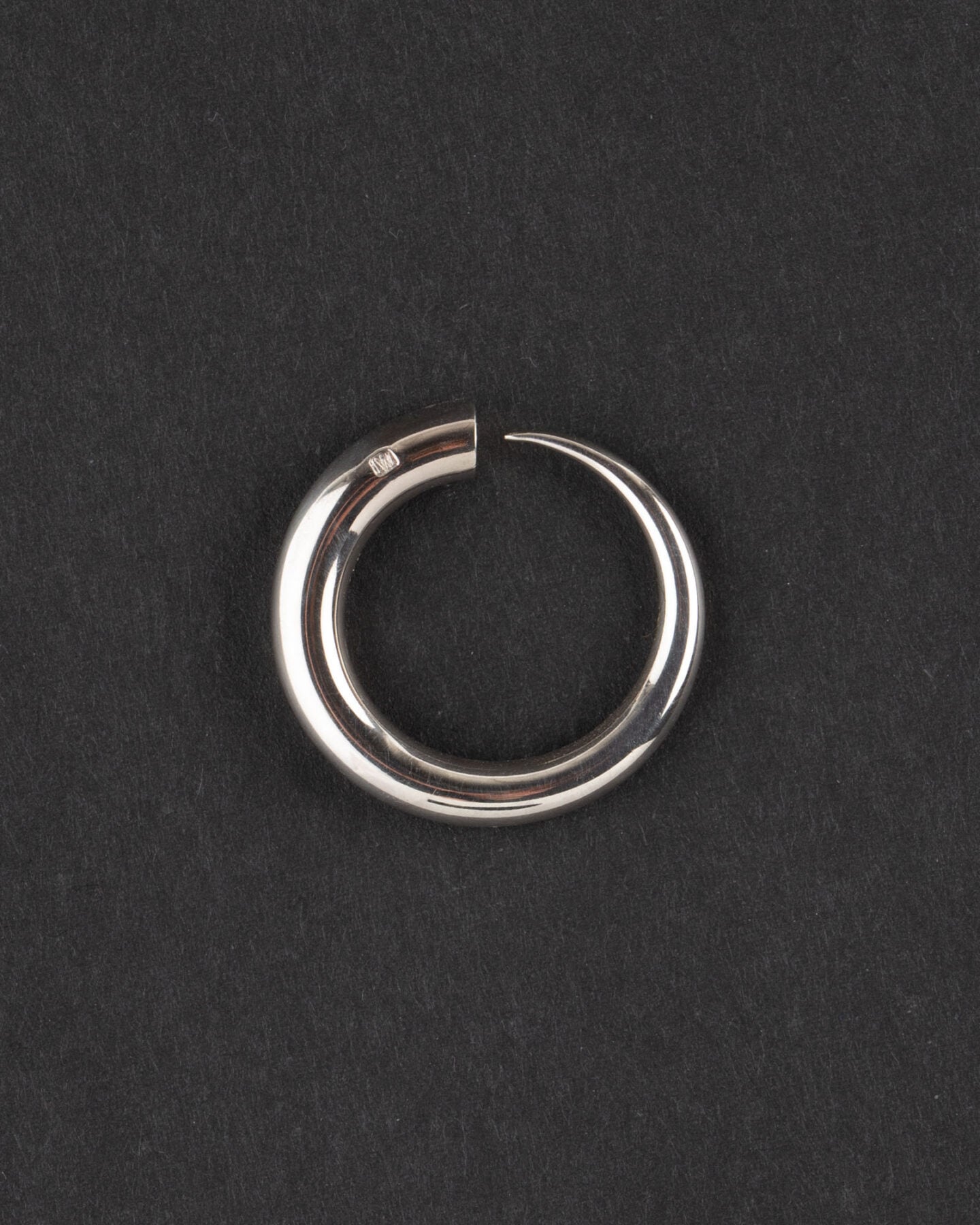
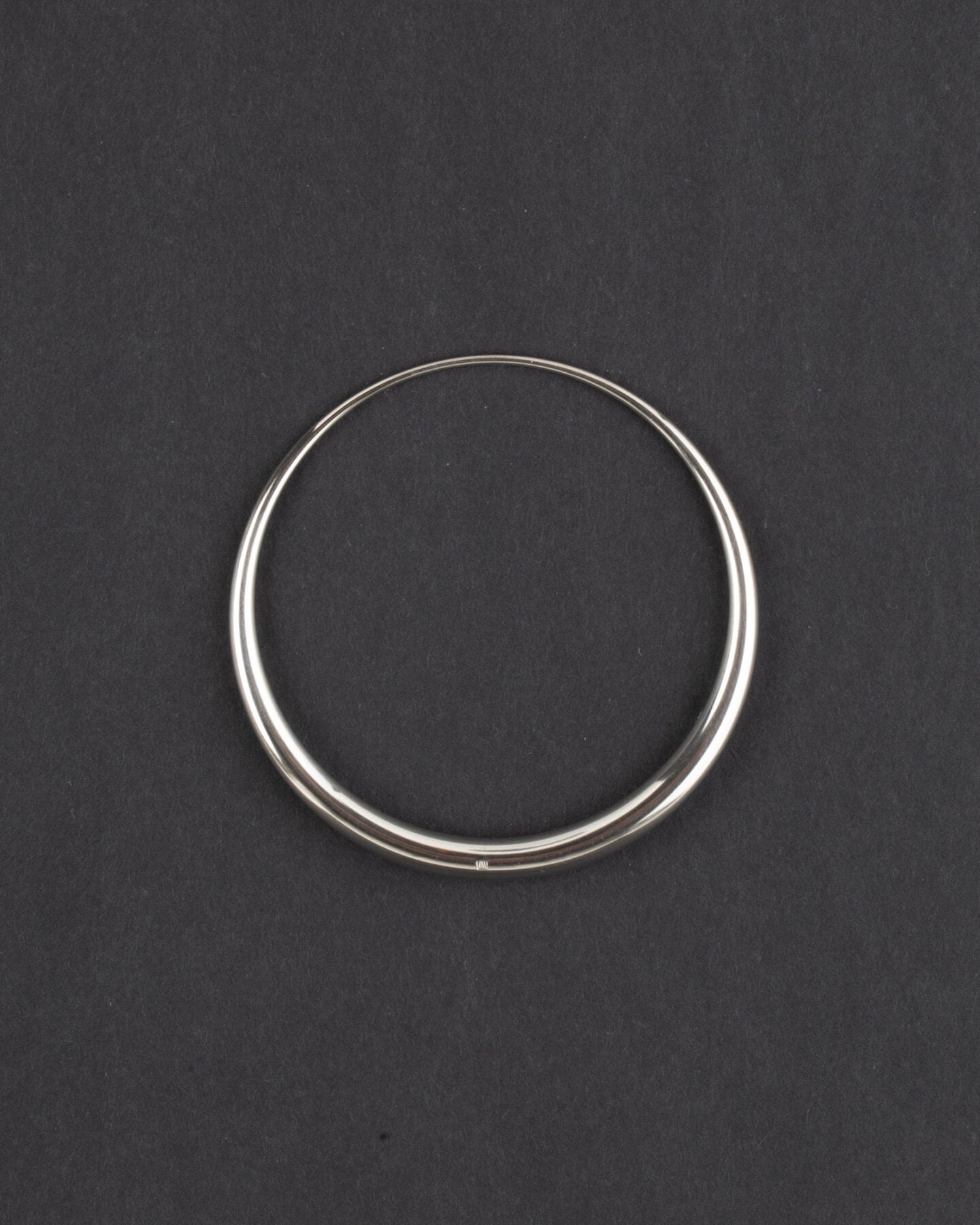
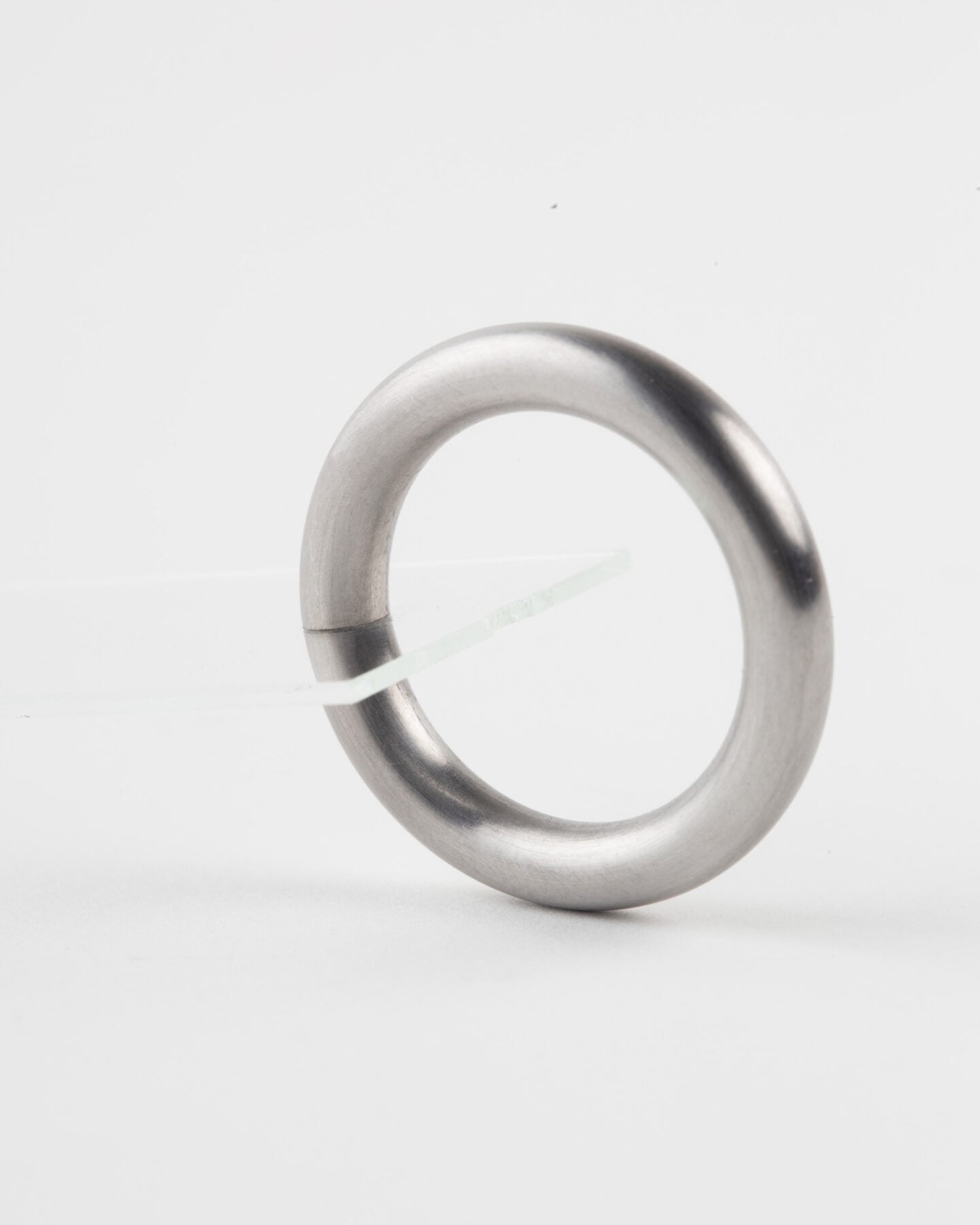
The collaboration between ORFÈVRE and Wittek brings the artist’s timeless designs back into focus. A concise collection encompasses the slim and medium Anhild Bangle, Clara Earrings, Memoire Ring set with twelve diamonds, Compressed Ring, the Schlitzring with its precise cut, the awarded Ouroboros Ring, reflecting cycles of eternity, and the iconic Tension Ring, a design classic that continues to define modern jewelry.
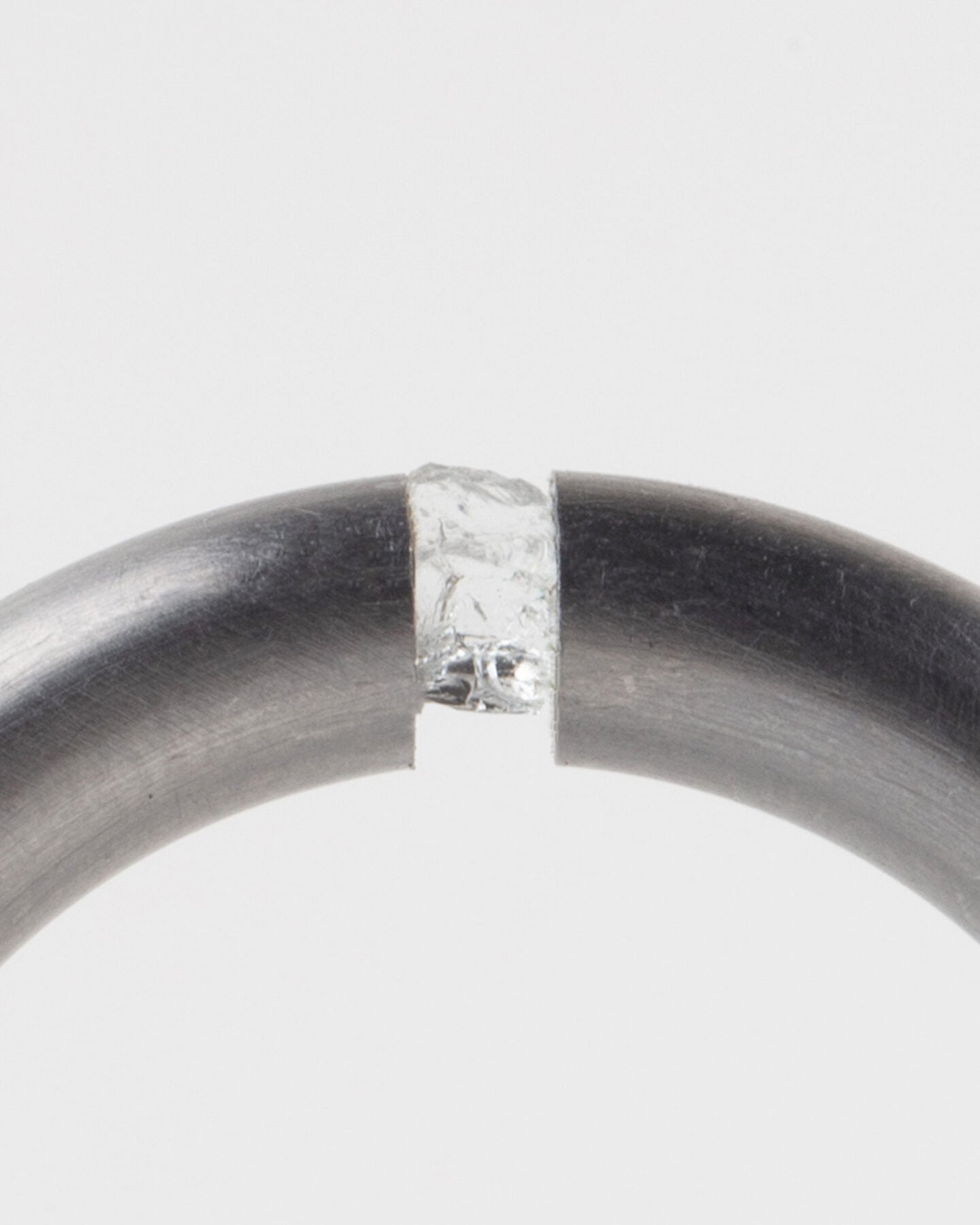
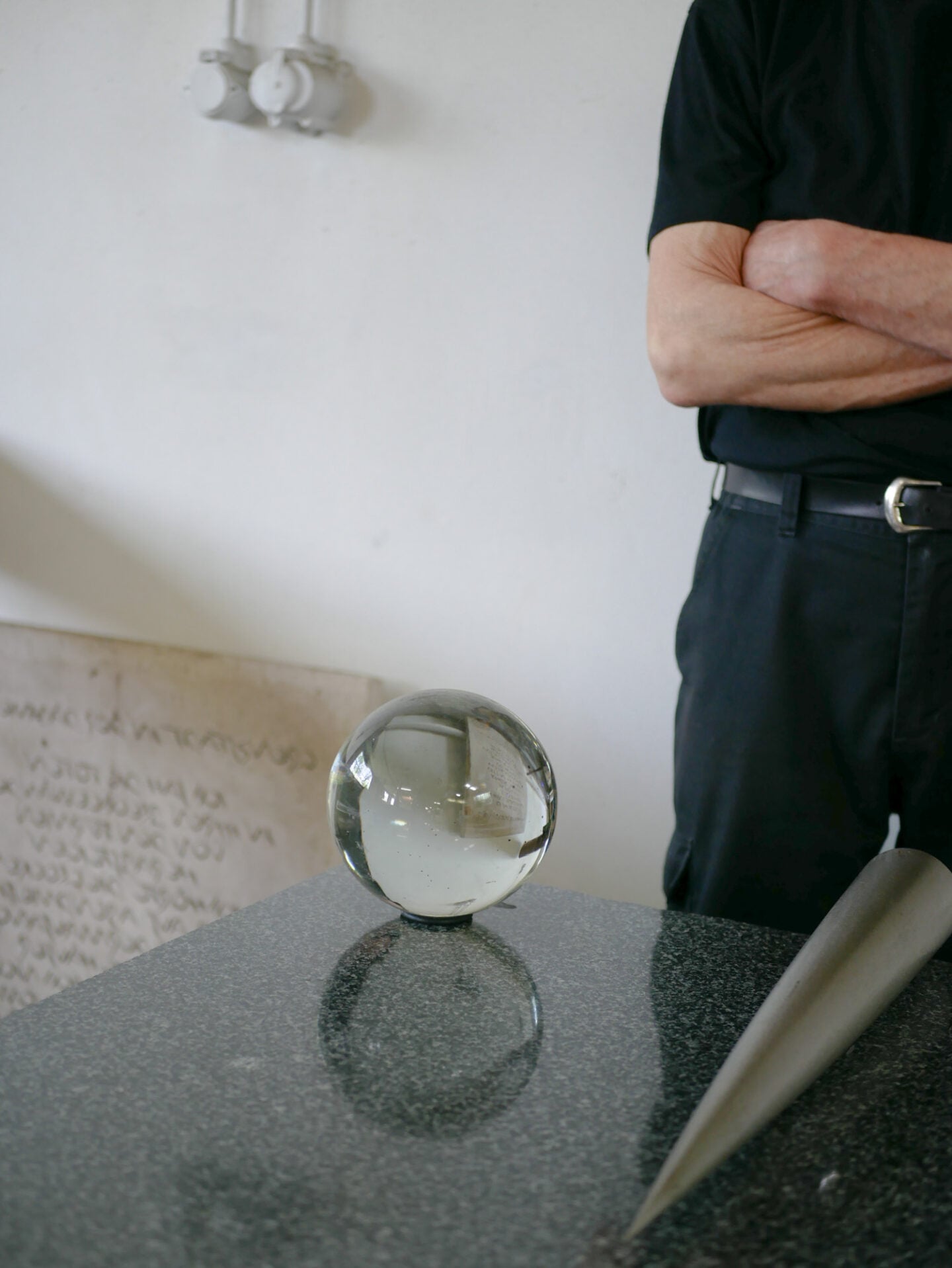
In the late 70s, Wittek conceived the Tension Ring not as an ornament but as a miniature sculpture for the hand. Using a slotted steel band forged under tension, he experimented with glass discs, testing how they could be held between the ends of a ring without adhesive or prongs. When a fragment of glass became suspended in the slit of the ring, catching and refracting light, he recognized the potential to translate this suspended, luminous effect into precious materials.
Monthslong experiments with steel, copper, silver, synthetics, topaz, and eventually diamonds followed, culminating in a version of the design where a brilliant stone seems to float purely by the tension of the band. Each Tension Ring today requires six to ten weeks of meticulous craftsmanship. Special alloys are developed to achieve precise structure, and every diamond is selected and set according to its unique characteristics.
Through ORFÈVRE, Wittek’s work is presented not as relics of a past era but as storied objects of contemporary relevance. His enduringly relevant designs reduce every element to its essential purpose. Recast anew, the pieces demonstrate that genuine simplicity conceals a profound rigor of thought, and that the most elemental forms often hold the richest complexities.
Video: Anna Fechtig | Music & Sound: Adam Asnan | Production: Lisa Scherebnenko & Malte van der Meyden | Text: Anna Dorothea Ker